
By: Staff Writer
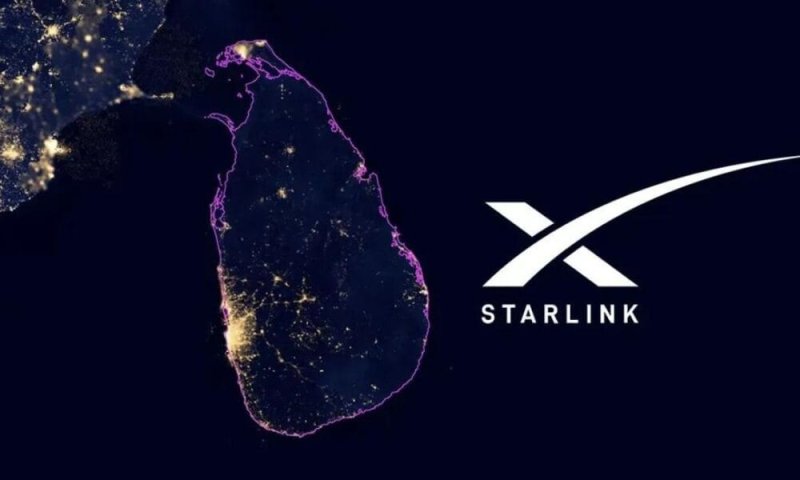
December 02, Colombo (LNW): Sri Lanka is set to gain a significant technological advantage as Starlink, the satellite-based internet service, has extended free connectivity to the country in the wake of Cyclone Ditwah. The initiative, running through December 2025, aims to support citizens and authorities struggling with widespread flooding, infrastructure damage, and communication blackouts.
Starlink’s move comes as both new and existing users in affected regions can access uninterrupted internet service, with automatic credits applied for active accounts. Suspended users can also reactivate their connections immediately, while new customers are eligible after submitting a support request.
This ensures that emergency communications, disaster relief coordination, and public information flow are maintained during a critical period.
Experts suggest that the benefits for Sri Lanka extend beyond immediate disaster relief. The introduction of reliable satellite connectivity could address long-standing challenges in rural and underserved areas where traditional broadband is unreliable or unavailable. Reliable internet access supports e-learning, telemedicine, and remote work, strengthening resilience against future crises.
The initiative also highlights the groundwork laid by former Prime Minister Ranil Wickremesinghe, who had spearheaded efforts to bring Starlink to Sri Lanka despite opposition criticism of the initiative at the time. Wickremesinghe’s advocacy emphasized technological modernization and improved national digital infrastructure, an approach now proving prescient as climate-related disasters increase in frequency and intensity.
Political observers note that while the current NPP government has coordinated with Starlink to facilitate immediate disaster relief, the initiative reflects earlier strategic planning and engagement with global tech firms, demonstrating the long-term value of fostering international partnerships.
As Sri Lanka continues to recover from Cyclone Ditwah’s devastating impact, Starlink’s free service provides a timely example of how satellite technology can complement national disaster management systems. Analysts argue that such partnerships could serve as a blueprint for future investments in digital infrastructure and national resilience, particularly in an era of escalating climate risks.
In essence, the Starlink gesture is more than a temporary relief measure; it is a strategic step toward bridging digital divides, enhancing connectivity, and reinforcing national disaster preparedness, highlighting the tangible benefits of visionary policymaking in action.