
Sri Lanka’s automobile market is entering a decisive phase as the post-ban import boom gives way to a likely slowdown, exposing deeper questions about industrial policy and fiscal sustainability. In 2025, vehicle imports were a major revenue engine, accounting for the bulk of the unexpected surge in tax collections identified by the Public Finance Committee. But dependence on imports is proving to be a double-edged sword.
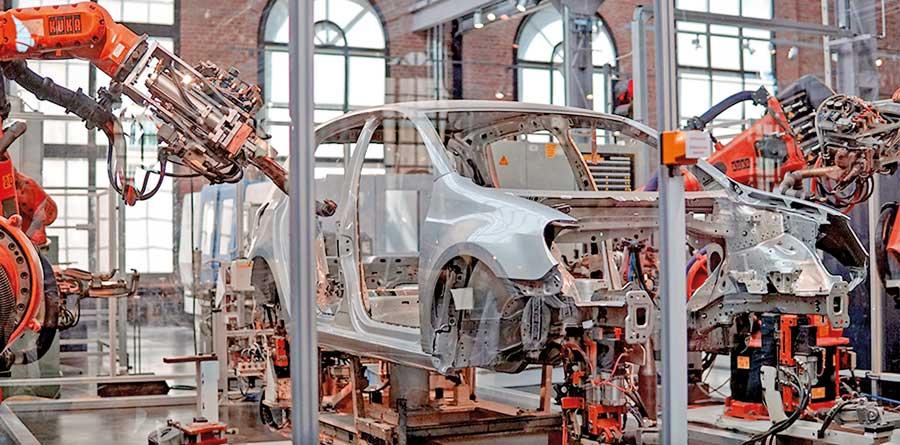
Local vehicle assembly expanded rapidly during the import ban years, attracting investors and building capabilities across passenger vehicles, SUVs and electric three-wheelers. Seventeen assembly plants now operate nationwide, with an equal number of prospective entrants signalling confidence in the market. Beyond output, the sector created skilled employment and stimulated upstream activities, from logistics to component manufacturing.
The reopening of imports, however, has shifted the competitive balance overnight. Imported vehicles arrive with price advantages rooted in scale and global sourcing, while domestic assemblers face higher per-unit costs. Industry representatives argue that, without targeted incentives such as differentiated excise structures or localisation-linked tax credits locally assembled vehicles will be crowded out, undermining sunk investments.
The policy tension is sharpened by Sri Lanka’s green transition goals. Electric vehicles remain central to near-term decarbonisation, but the global industry is also exploring hydrogen fuel cell vehicles. For Sri Lanka, hydrogen remains a long-term prospect due to high infrastructure and production costs. Maintaining a viable local industry is critical if the country is to participate meaningfully in future mobility technologies rather than remain a pure importer.
Meanwhile, the auto components segment stands out as a bright spot. Manufacturers are scaling exports and targeting integration into regional value chains, with ambitious plans to more than double export earnings within five years while adding tens of thousands of jobs. This momentum depends on consistent demand, skills retention and policy certainty.
Fiscal realities cannot be ignored. As import volumes normalise, the extraordinary tax gains of 2025 are unlikely to repeat, raising the prospect of revenue gaps. A policy mix that balances revenue needs with industrial development—by rewarding domestic value addition while managing imports—could smooth volatility and anchor long-term growth.
Sri Lanka’s auto sector is no longer just about cars; it is a test of whether short-term fiscal fixes can coexist with a coherent industrial strategy.