
Gajanayake, executive director of the Institute for Democratic Reforms and Electoral Studies, explained that local government leaders in Sri Lanka enjoy legal protection against removal within the first two years of their term, even if their budget proposals are rejected.
“There is simply no provision that allows a municipal council or its mayor to be ousted within this period solely because of a budget defeat,” he stated, emphasising that the rules governing local authorities differ from those of Parliament.
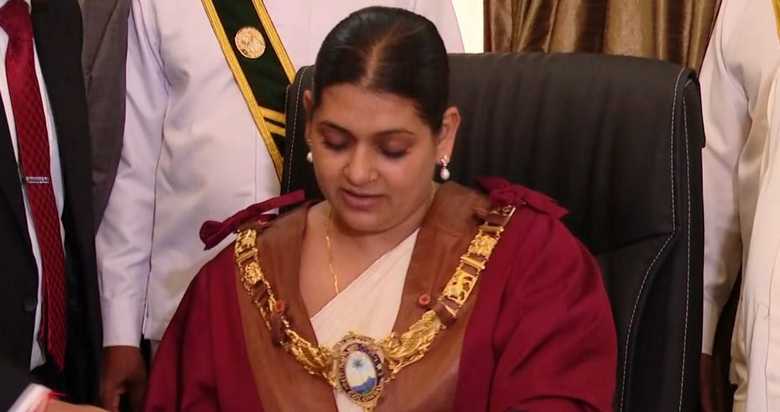
The National People’s Power (NPP) administration saw its budget for the Colombo Municipal Council turned down on 22 December, following a coordinated vote against the estimates by opposition councillors.
Under the Local Authorities (Special Provisions) Act No. 21 of 2012, councils whose budgets fail can resubmit revised proposals within a fortnight. Should these be rejected again, the mayor is authorised to implement the original budget using executive powers.
“This framework ensures uninterrupted governance for a full two years, shielding councils from sudden political shifts,” Gajanayake noted. “Even repeated budget losses do not jeopardise the administration during this protected window.”
He added that a mayor or chairperson can only be removed through resignation, death, disciplinary action by their political party, or formal misconduct proceedings initiated via the governor — not through votes on budgets during the initial two years.
While the rejection of the budget carries no immediate legal consequences, Gajanayake warned it could have political ramifications, potentially limiting the ruling party’s capacity to pass measures and manage council affairs smoothly.
“The impact is primarily political rather than institutional,” he concluded, highlighting the difference between administrative stability and political pressure.