Colombo LNW :
Despite the many dimensions of Sri Lanka’s agricultural sector, this is a story that goes beyond the usual discussions of farming and policy. It is the story of a quiet, largely unknown individual whose lifelong commitment has become a valuable asset to the country.
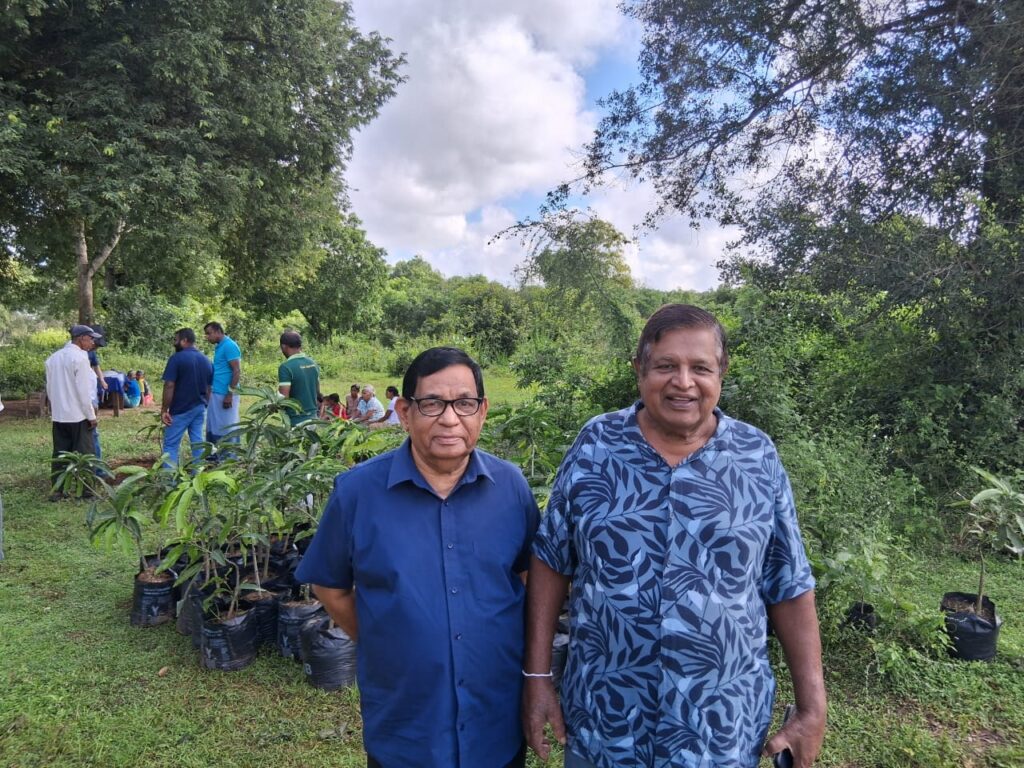
The central figure of this story is Alex Thanthriarachchi, a man who has dedicated decades of his life to strengthening local agriculture, protecting the environment, and empowering rural communities.
In the late 1960s, as a young man, Alex Thanthriarachchi became politically active and was associated with the Janatha Vimukthi Peramuna. Following the 1971 uprising, he was imprisoned and later held at the Jaffna Prison along with Rohana Wijeweera and several other key detainees. During his time in prison and after his release, he spent years reflecting on the growing frustration among Sri Lankan youth and the deeper reasons behind it.
Through this reflection, he came to believe that economic hardship was the root cause of much of the unrest among young people. He also concluded that successive governments had failed to meaningfully connect youth with agriculture in a way that could provide stable livelihoods and strengthen the rural economy.
Motivated by these insights, he carried out extensive studies on Sri Lankan agriculture. He became convinced that traditional farming systems needed to be revived and strengthened. He was also concerned about the environmental damage caused by certain practices introduced during the Green Revolution, and believed Sri Lanka should move toward indigenous, organic, and environmentally balanced agricultural methods.
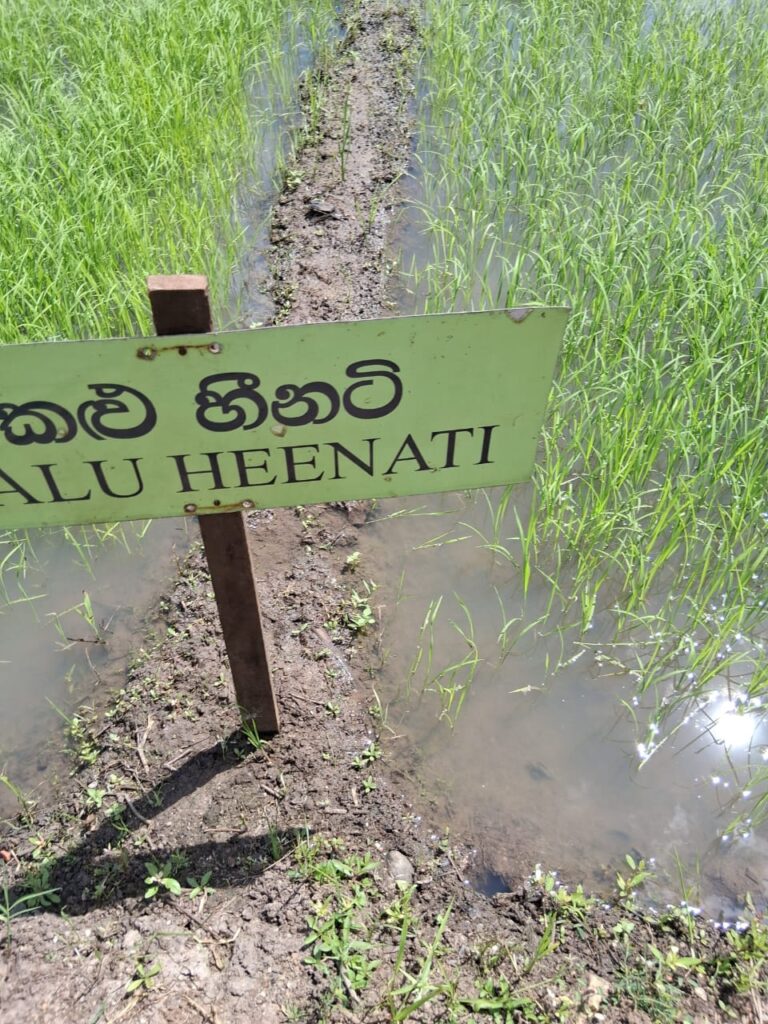
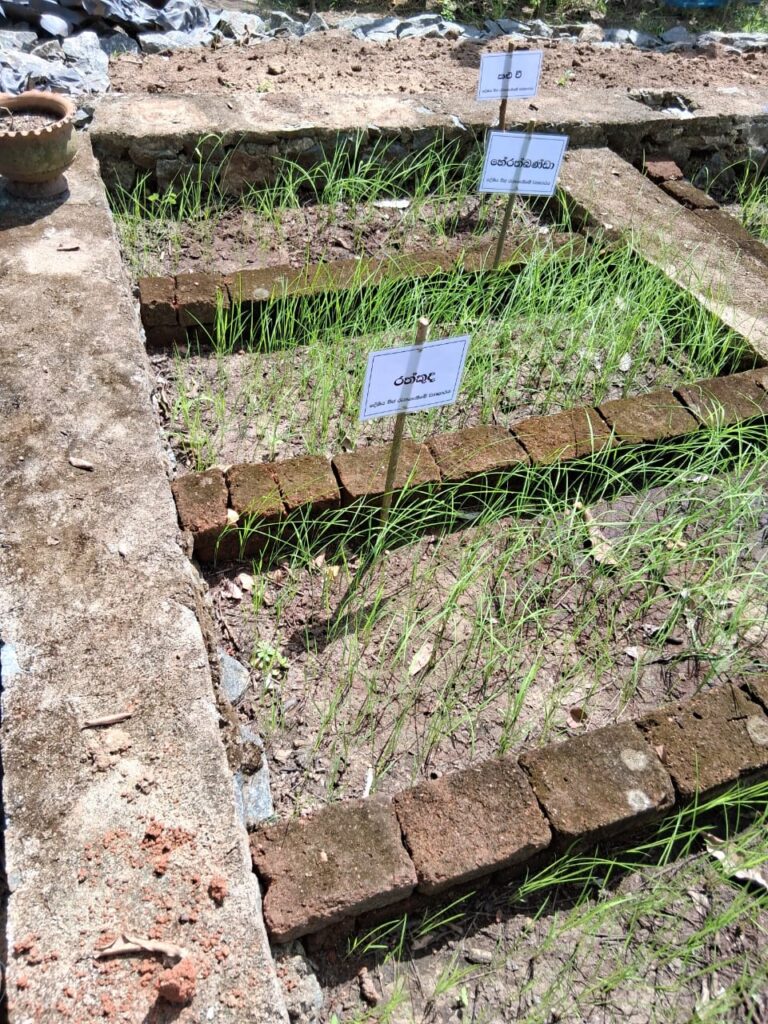
It was this vision that led him to begin collecting indigenous seeds. Along with a small group of supporters, he traveled across the country and identified hundreds of traditional rice varieties. Building on this effort, he later established a youth farmers’ school in Eppawala, providing young people with hands-on training rooted in local knowledge and sustainability.
Through this initiative, indigenous seeds were cultivated, multiplied, and distributed among farmers, helping preserve and revive Sri Lanka’s traditional seed heritage. Although largely unnoticed by the wider public, this work gradually grew into a significant national contribution.
In recent times, Alex Thanthriarachchi has taken on another important challenge: the growing human elephant conflict, especially in areas such as Anuradhapura and Eppawala. In these regions, elephants frequently enter villages in search of food, causing severe damage to agricultural crops and livelihoods.
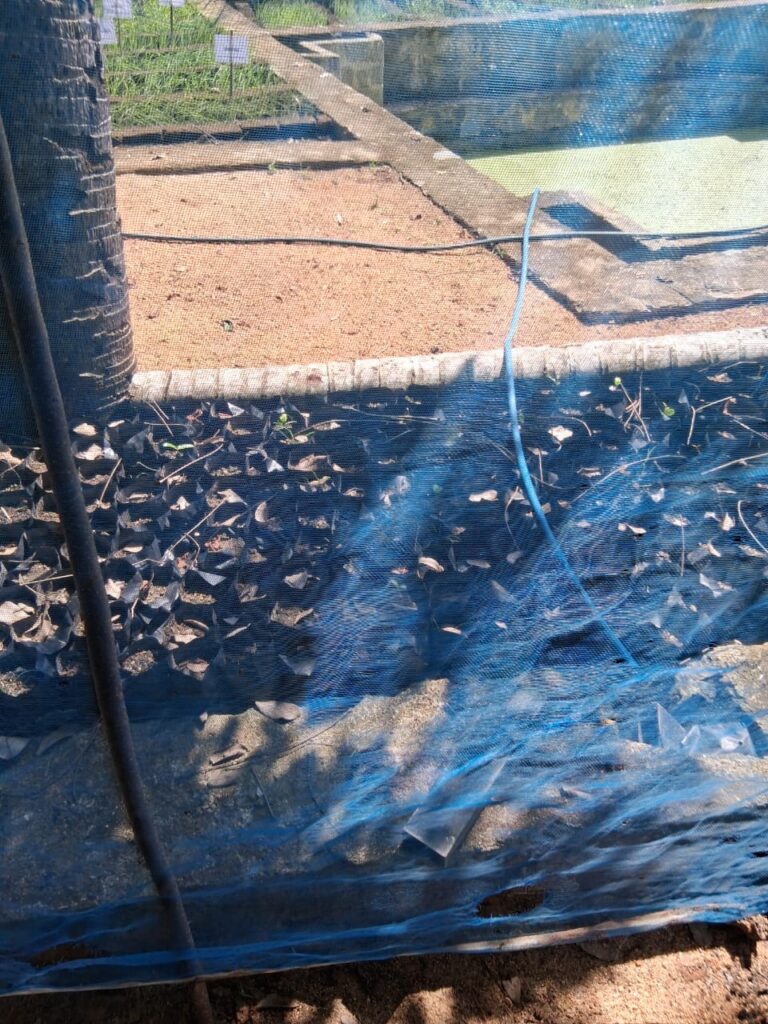
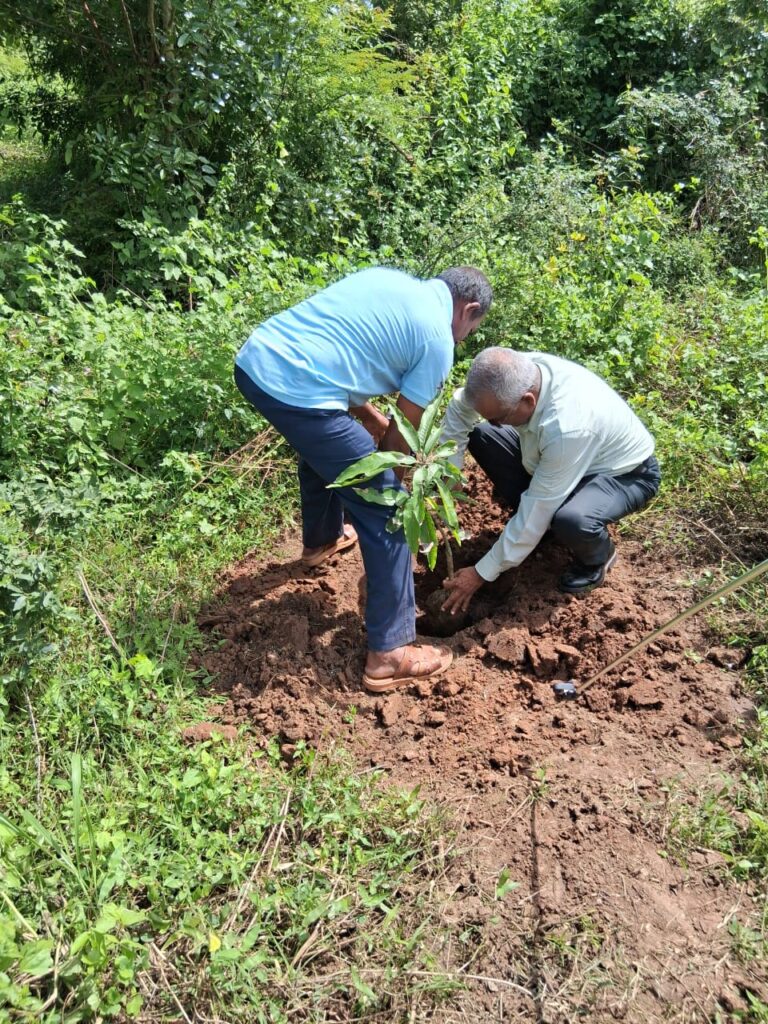
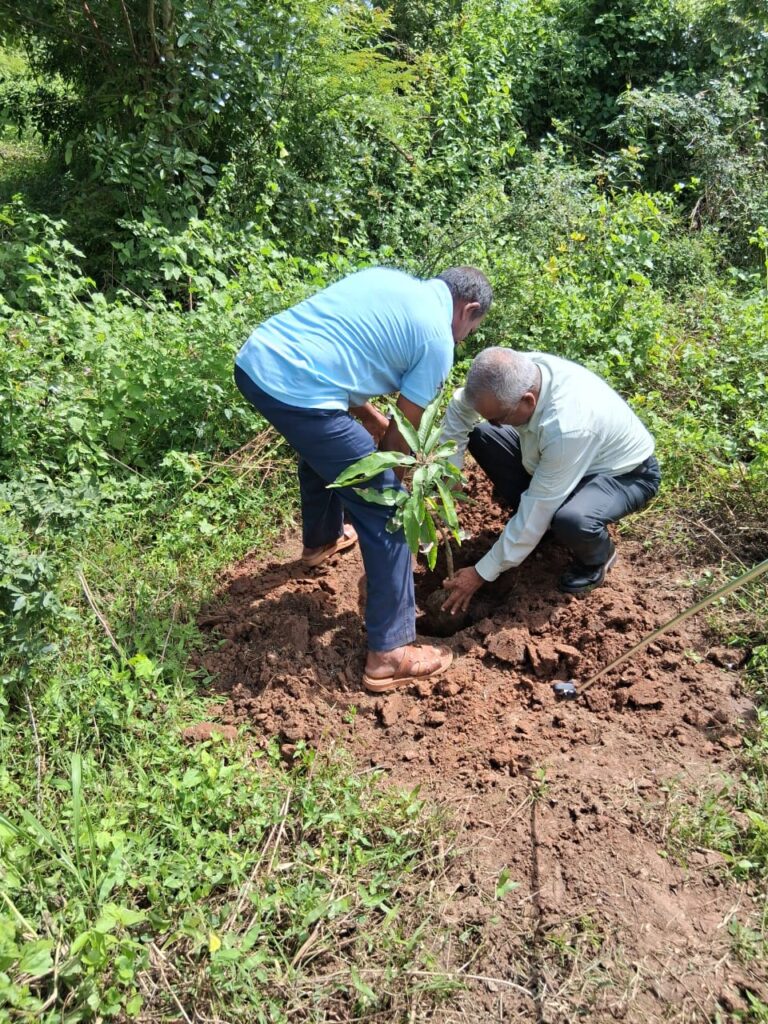
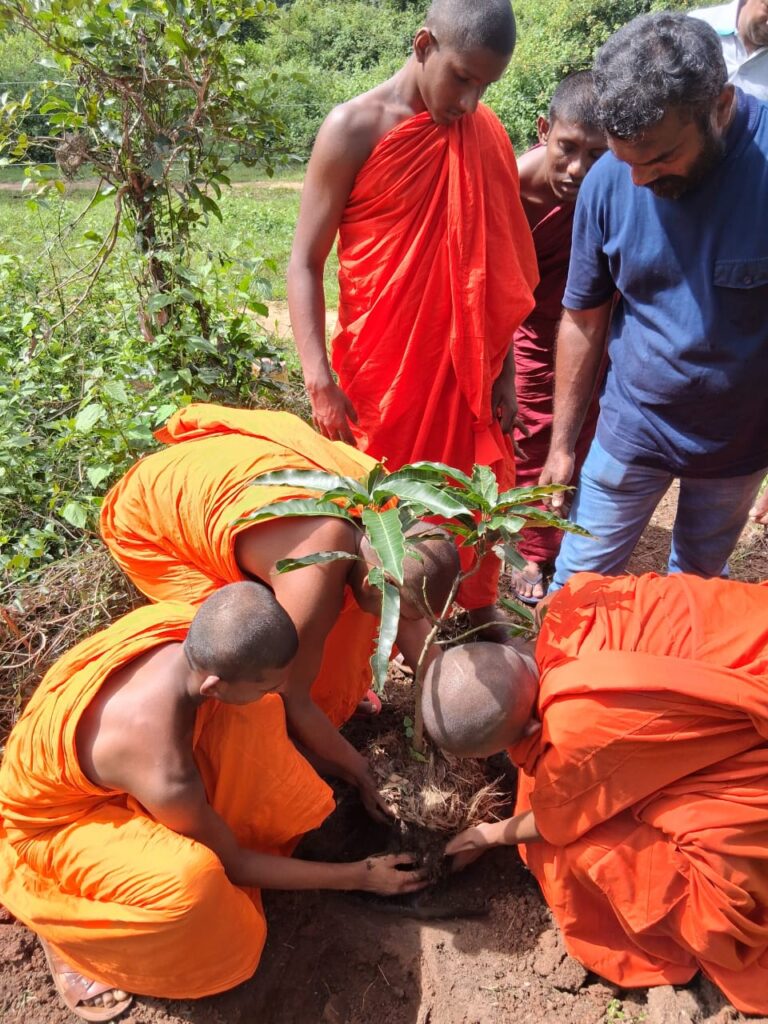
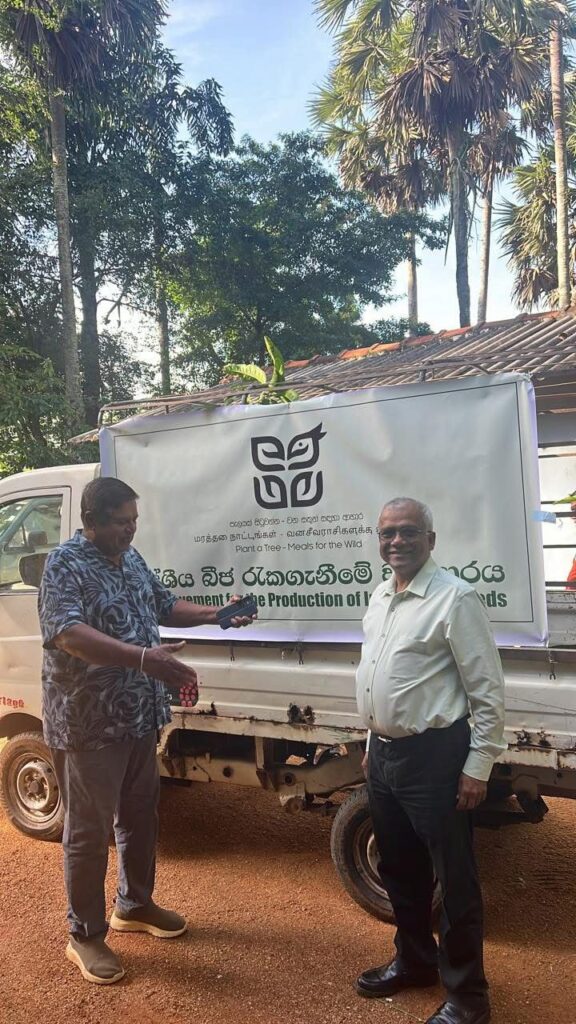
Rather than relying on conventional methods alone, he proposed an alternative solution based on agricultural knowledge. Working in coordination with the Department of Wildlife Conservation, he initiated a project aimed at addressing food shortages faced by elephants without harming existing forests. Under this program, jackfruit trees and other fruit varieties suitable for dry zone conditions are being cultivated to provide a natural food source for wildlife.
The first phase of this project was launched recently, with 1,000 saplings planted in selected areas. A small ceremony was held to mark the occasion, which also coincided with the celebration of his 75th birthday.
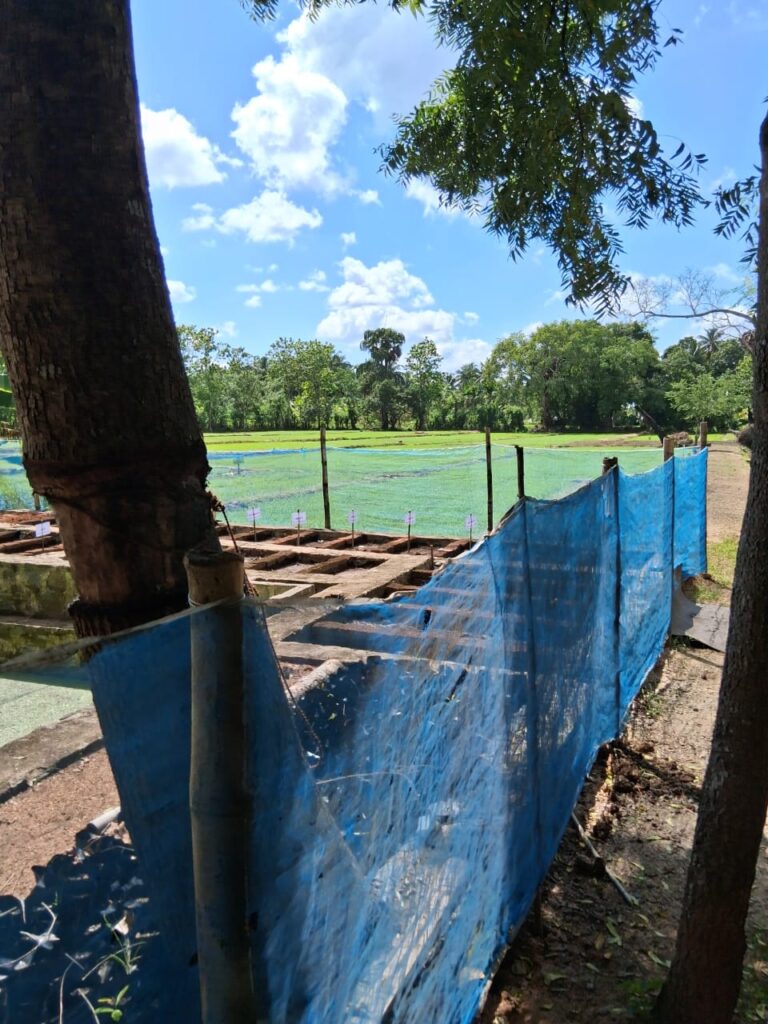
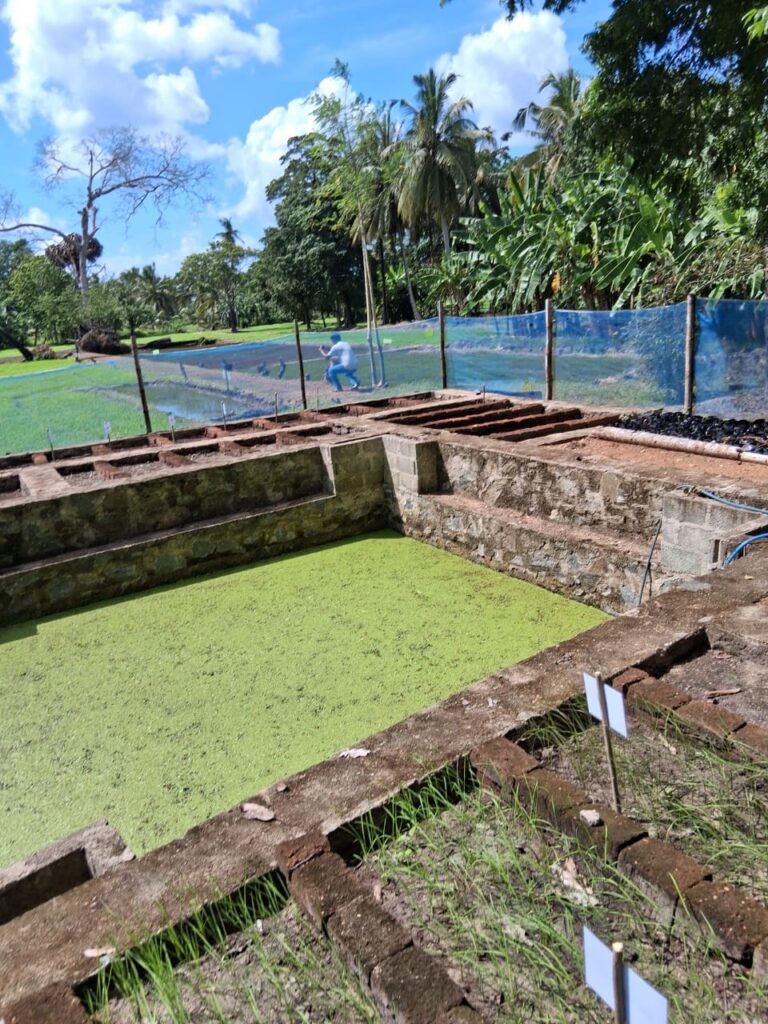
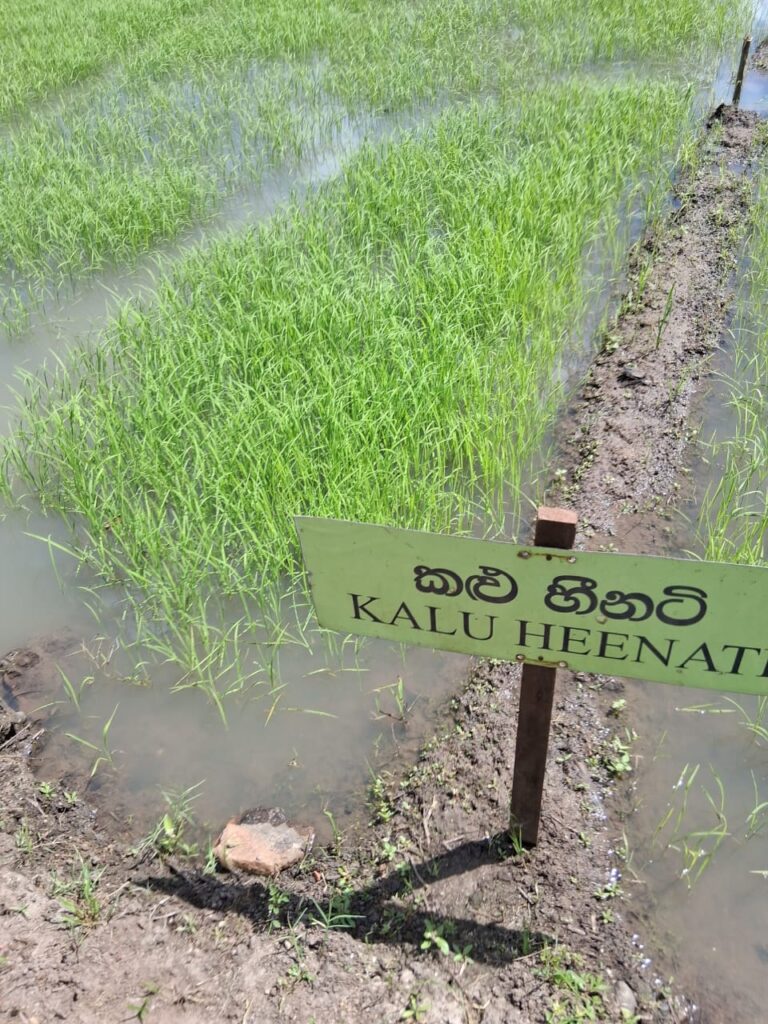
Those who visit the land connected to the Eppawala farmers’ school can see his ongoing efforts to breed and conserve a wide range of rice varieties. At a time when bee populations in Sri Lanka are rapidly declining, he is also experimenting with beekeeping and promoting the importance of bees for ecological balance and food security.
Another noteworthy aspect of his work is the conservation of butterflies that are gradually disappearing from the local environment. By identifying and protecting plants that support butterfly life cycles, breeding butterflies, and releasing them back into nature, he continues his quiet environmental stewardship from his land in Eppawala.
The dedication of this man invites reflection. The effort of one individual working tirelessly to protect agriculture, biodiversity, and the natural beauty of a small island nation is deeply meaningful. Protecting and supporting people like Alex Thanthriarachchi, who carry out such invaluable service without seeking recognition, should be a shared responsibility of both the state and society.