
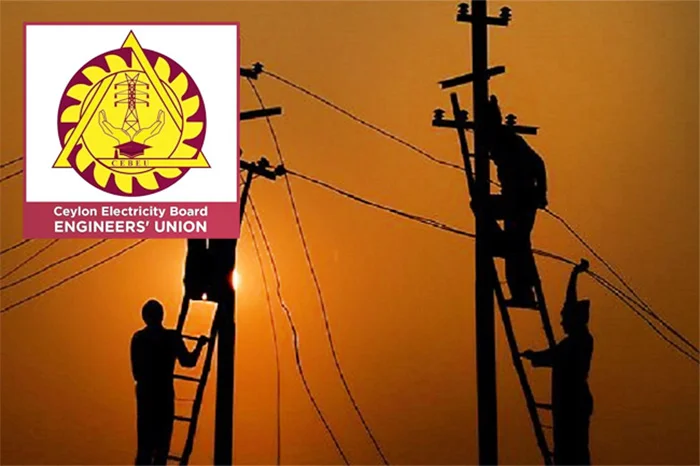
Sri Lanka’s power sector is once again at a crossroads, with the government pushing ahead with a hastily reworked restructuring of the Ceylon Electricity Board (CEB) that critics warn could destabilise the national grid rather than reform it. Trade unions, engineers, and energy sector analysts argue that the new plan dilutes safeguards embedded in the previous Ranil Wickremesinghe administration’s more comprehensive unbundling proposal, while accelerating implementation under pressure from the International Monetary Fund (IMF).
Under the Wickremesinghe government, the restructuring of the CEB was envisioned as a phased and tightly regulated process. The proposal called for unbundling the utility into six to eight distinct entities, with clear functional separation between generation, transmission, distribution, system operations, and ancillary services. Crucially, state control over strategic assets—such as grid management, transmission infrastructure, and national system operations—was explicitly protected, while private participation was to be limited, transparent, and performance-based.
The current government’s revised plan, however, compresses this transition into a far narrower timeline. It proposes dissolving the CEB and replacing it with six companies, all registered under the Companies Act, with assurances that they remain state-owned. While technically compliant with the Sri Lanka Electricity Act and its amendments, sector experts argue the plan prioritises legal form over operational readiness.
The most significant weakness lies in the absence of sequencing. Unlike the earlier proposal, which recognised the need for capacity building, tariff reform, labour safeguards, and regulatory strengthening before structural changes, the new framework attempts to do everything at once. This “gazette-first, fix-later” approach has alarmed engineers responsible for grid stability, who warn that institutional confusion during the transition could jeopardise system reliability.
Trade unions say employee assurances promised during negotiations including pension protections, career progression, and fund security remain unfulfilled. More critically, they argue that the new structure blurs accountability during emergencies, particularly if system operations and maintenance are fragmented without tested coordination mechanisms.
Another key concern is IMF conditionality. While restructuring the power sector is a cornerstone of Sri Lanka’s bailout programme, insiders say the current plan reflects deadline-driven compliance rather than locally grounded reform. The Wickremesinghe-era roadmap allowed room for parliamentary oversight, stakeholder buy-in, and pilot implementation. The present approach risks reducing reform to a box-ticking exercise, vulnerable to political reversal and industrial unrest.
With 24 electricity trade unions threatening immediate industrial action, the government faces a stark choice: pause and recalibrate the restructuring to restore confidence, or push ahead and risk operational paralysis. As Sri Lanka’s past power crises have shown, when reform is rushed and trust is ignored, the lights tend to go out literally.