
By: Staff Writer
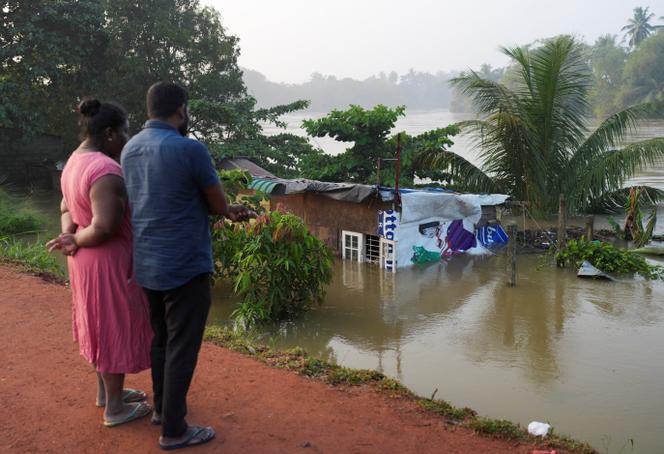
January 29, Colombo (LNW): The JVP-led National People’s Power (NPP) government has repeatedly positioned itself as a strong advocate for micro, small and medium-sized enterprises (MSMEs), particularly those devastated by Cyclone Ditwah and subsequent flooding. Yet, several weeks after relief measures were announced, questions persist over how much assistance has actually reached affected entrepreneurs on the ground.
Amid growing criticism, Deputy Minister of Economic Development Nishantha Jayaweera, along with Finance Ministry officials, recently briefed Members of Parliament on government initiatives aimed at supporting cyclone-affected MSMEs. According to the Parliament Secretariat, officials highlighted long-standing barriers such as limited access to credit, lack of collateral, and high interest rates as the key challenges facing small businesses.
To address high borrowing costs, the government has announced multiple refinancing and interest subsidy loan schemes. A total of Rs. 95.7 billion has been allocated for interest subsidy loans in 2026. Additionally, from 16 December 2025, three State-owned banks began issuing working capital loans for MSMEs affected by Cyclone Ditwah, while 13 other banks—including private institutions have expressed willingness to participate.
However, officials have yet to disclose how many MSMEs have actually received loans, the total value disbursed so far, or how many applications remain pending. For thousands of flood-affected enterprises struggling with damaged stock, unpaid receivables, and disrupted supply chains, this lack of transparency has become a major concern.
The Finance Ministry has also allocated Rs. 10 billion to provide banks with interest-free funds, enabling them to lend up to Rs. 25 million per MSME at a concessional 3% interest rate. Another Rs. 25 billion has been earmarked for a broader MSME revival loan scheme in 2026, offering loans at 5% interest through both State and private banks.
Despite these allocations, MPs pointed out that awareness among MSMEs remains weak. Many affected entrepreneurs reportedly remain unaware of eligibility criteria or application procedures, limiting uptake at a time when cash flow shortages are critical.
Attention was also drawn to the National Credit Guarantee Institution (NCGI), which currently provides 67% collateral coverage for loans, and 80% for women entrepreneurs. MPs argued that the remaining uncovered portion still presents a major barrier, particularly for disaster-hit MSMEs that have lost assets.
While a Rs. 800 million agriculture loan scheme offering loans up to Rs. 5 million is expected to roll out by mid-February, the gap between policy announcements and measurable relief continues to fuel frustration among cyclone-affected small businesses.