
By: Staff Writer
February 02, Colombo (LNW): Sri Lanka’s ongoing shortage of raw cashew nuts has evolved into a wider socio-economic crisis, threatening thousands of jobs across the island and placing immense pressure on an already fragile industry. While consumers face rising prices, workers in processing and shelling communities are confronting the loss of their primary source of income.
Cashew producers and importers attribute the shortage largely to delayed and restricted import licensing. Licenses issued during recent months were valid only until December 31, leaving importers unable to complete shipments due to logistical disruptions, natural disasters, and administrative delays. Requests to extend these licenses by two or three months until February or March remain unresolved.
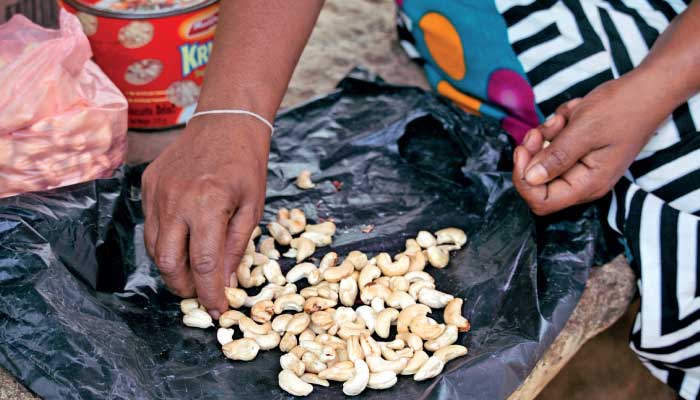
Sri Lanka’s domestic cashew production is insufficient to meet year-round demand, making imports essential. In past years, imported raw cashews were shelled locally, providing employment to thousands of workers, particularly women, in regions such as Gampaha, Kurunegala, Kuliyapitiya, Chilaw, and Eravur. Today, many of these factories stand idle.
Workers say they have been pushed into severe financial hardship. Many invested in cashew-processing machinery through bank loans, only to see those machines lie unused due to lack of raw materials. With no alternative income sources, families are struggling to meet daily expenses, repay loans, and support their children’s education.
Traders warn that the situation could worsen as demand rises sharply during festive seasons and peak tourist periods. Cashews are widely favored by both local consumers and foreign visitors, and shortages are expected to intensify by April if imports do not resume soon. Industry representative’s stress that even limited imports before the festive season could help stabilize prices and revive processing activities.
It has also emerged that some small-scale traders who obtained licenses were unable to import adequate quantities, further deepening the supply gap. While the ministry’s decision to allow last-minute imports offered temporary relief, stakeholders say it was insufficient to address structural issues.
Appeals have been made to the President, relevant ministers, and regulatory authorities to take immediate action. Workers fear that losing an occupation sustained over decades would leave them without viable alternatives.
Without timely policy intervention, the cashew shortage threatens not only market stability but also the livelihoods of thousands who depend on one of Sri Lanka’s most labor-intensive agro-industries.