
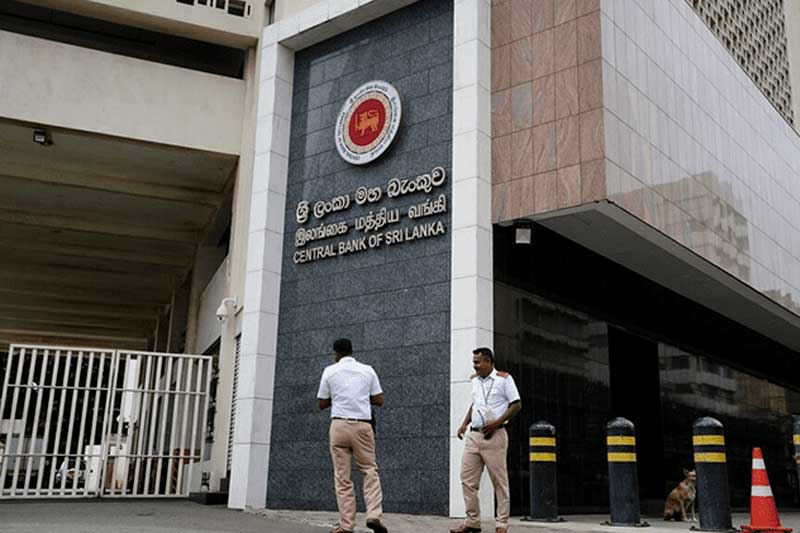
Sri Lanka’s Central Bank has launched investigations into at least 18 entities accused of illegally collecting public deposits through plantation-based investment schemes, exposing a fast-growing shadow financial sector that thrives on regulatory loopholes and investor ignorance.
These schemes, often marketed as long-term investments in teak, mango, or wallapatta plantations, promise unusually high and “guaranteed” returns backed by land assets. However, the Central Bank of Sri Lanka (CBSL) has warned that such assurances are legally and financially unsustainable. Accepting public deposits with a promise of repayment is a regulated financial activity, and entities engaging in it without authorisation are operating outside the law.
CBSL Governor Dr. Nandalal Weerasinghe has publicly cautioned investors against land-backed, high-yield investment ventures, describing them as inherently risky and frequently deceptive. Unlike Licensed Finance Companies (LFCs) or Licensed Specialised Banks (LSBs), these plantation-based entities are neither regulated nor supervised by the Central Bank. As a result, investors have no legal protection if the schemes collapse.
Financially, many of these companies display classic red flags. They typically lack audited financial statements, rely on continuous inflows of new investor funds to meet earlier payout commitments, and offer returns that far exceed yields achievable from genuine agricultural production. In several cases, projected profits are based on unrealistic assumptions about land appreciation, crop survival rates, and export prices.
The CBSL has clarified that Specialised Leasing Companies (SLCs), which are sometimes used as a front to lend credibility to these schemes, are strictly prohibited from accepting public deposits. SLCs may raise funds only through approved instruments such as debentures or commercial paper and only with prior Central Bank approval. Any deviation constitutes a violation of financial law.
The legal implications are severe. Entities found to be illegally mobilising public funds face prosecution, asset seizures, and potential imprisonment of directors. More importantly, investors risk losing their entire capital, as funds placed in unauthorised schemes are not covered by any deposit protection mechanism.
The ongoing crackdown has also exposed a regulatory blind spot surrounding alternative investments. While agriculture and land development are legitimate economic activities, combining them with deposit-taking without oversight creates fertile ground for financial abuse.
The CBSL has urged the public to independently verify whether an investment scheme is legally recognised and to demand transparent explanations of how promised returns will be generated. As the investigations continue, authorities warn that financial literacy—not attractive brochures or celebrity endorsements remains the strongest defence against plantation-themed investment scams.