
LISTEN TO STORY
WATCH STORY
By: Isuru Parakrama
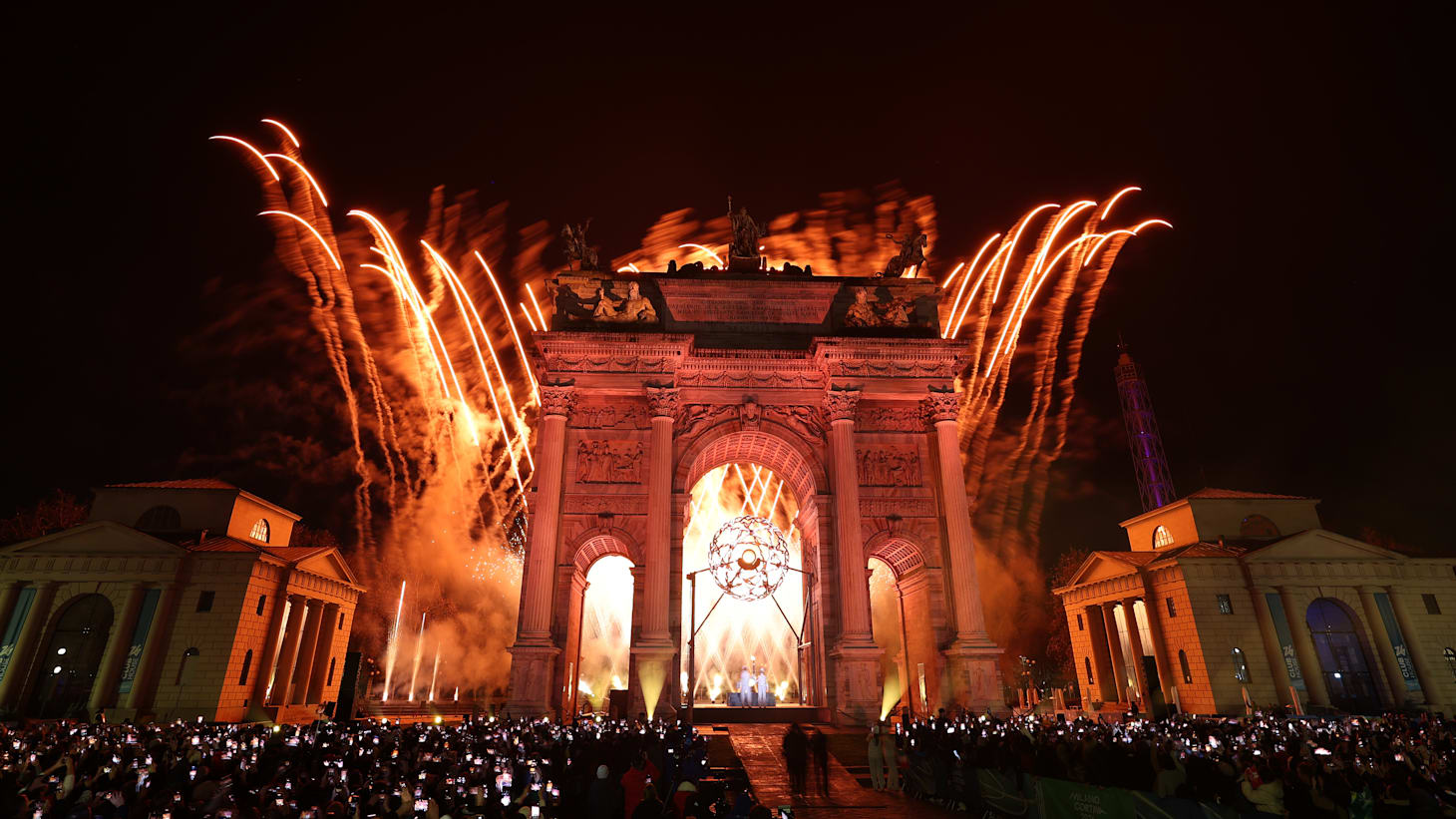
February 08, World (LNW): When the Milano Cortina Winter Olympics opened in early February 2026, organisers expected global attention to focus on sport, spectacle and Italian creativity. Instead, parts of the internet quickly seized on the event’s centrepiece—the Olympic cauldron—claiming it concealed “satanic” symbols and occult messages.
Within days, videos and posts alleging secret rituals and elite conspiracies had spread widely online. Yet, as multiple fact-checks and official sources have confirmed, these claims are rooted in misinterpretation rather than reality.
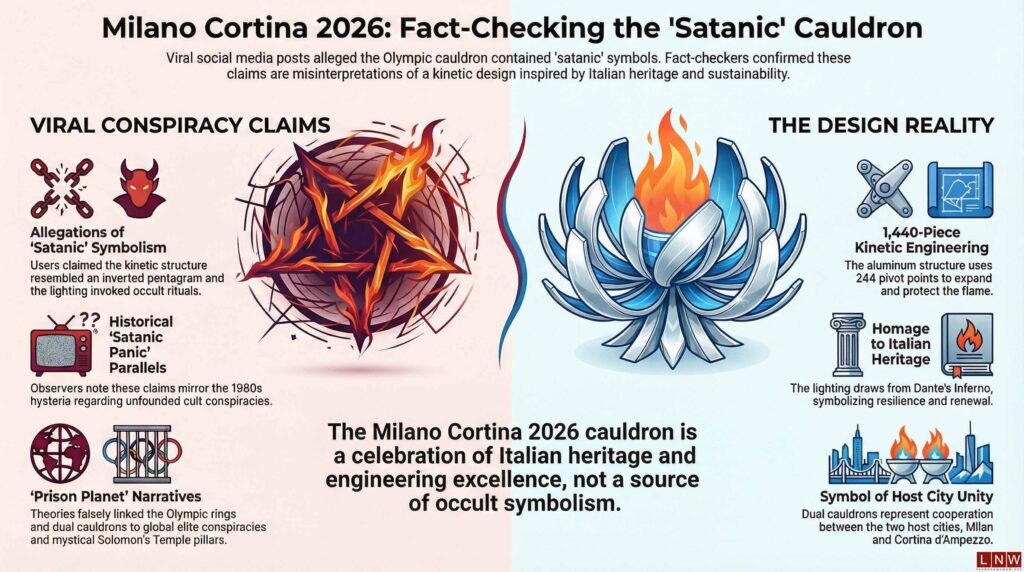
The controversy centred on the design of the Olympic flame. Social media users alleged that its expanding structure resembled an inverted “pentagram”, a symbol often associated in popular culture with satanism. Others argued that the fiery red-orange lighting invoked occult ceremonies linked to mythical figures such as Baal or Baphomet.
More elaborate theories followed, connecting the Olympic rings to “Saturn worship”, the dual cauldrons to mystical pillars from Solomon’s Temple, and even the entire ceremony to so-called “prison planet” narratives. Some commentators went further, tying these claims to unrelated conspiracy theories about global elites and scandals.
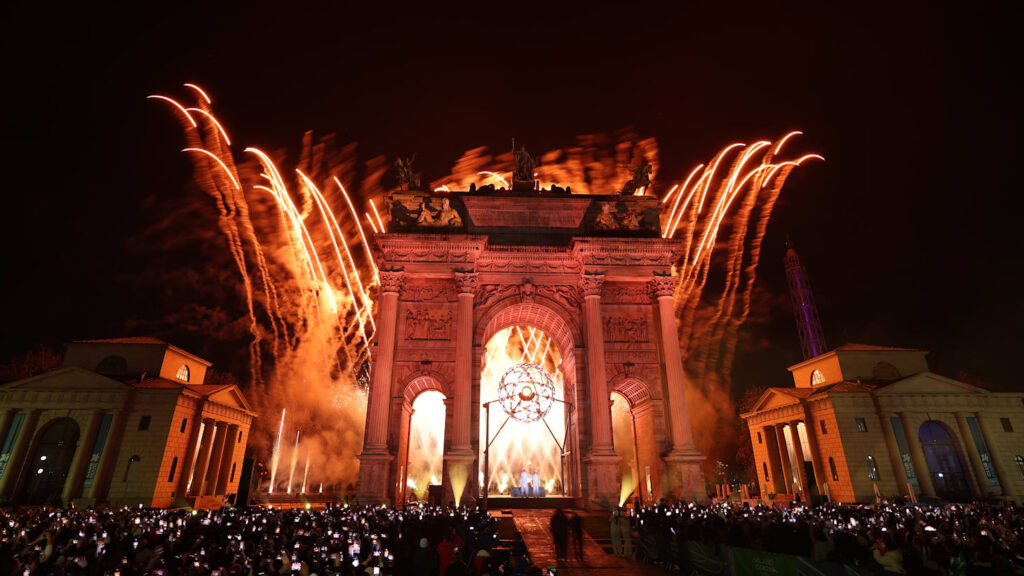
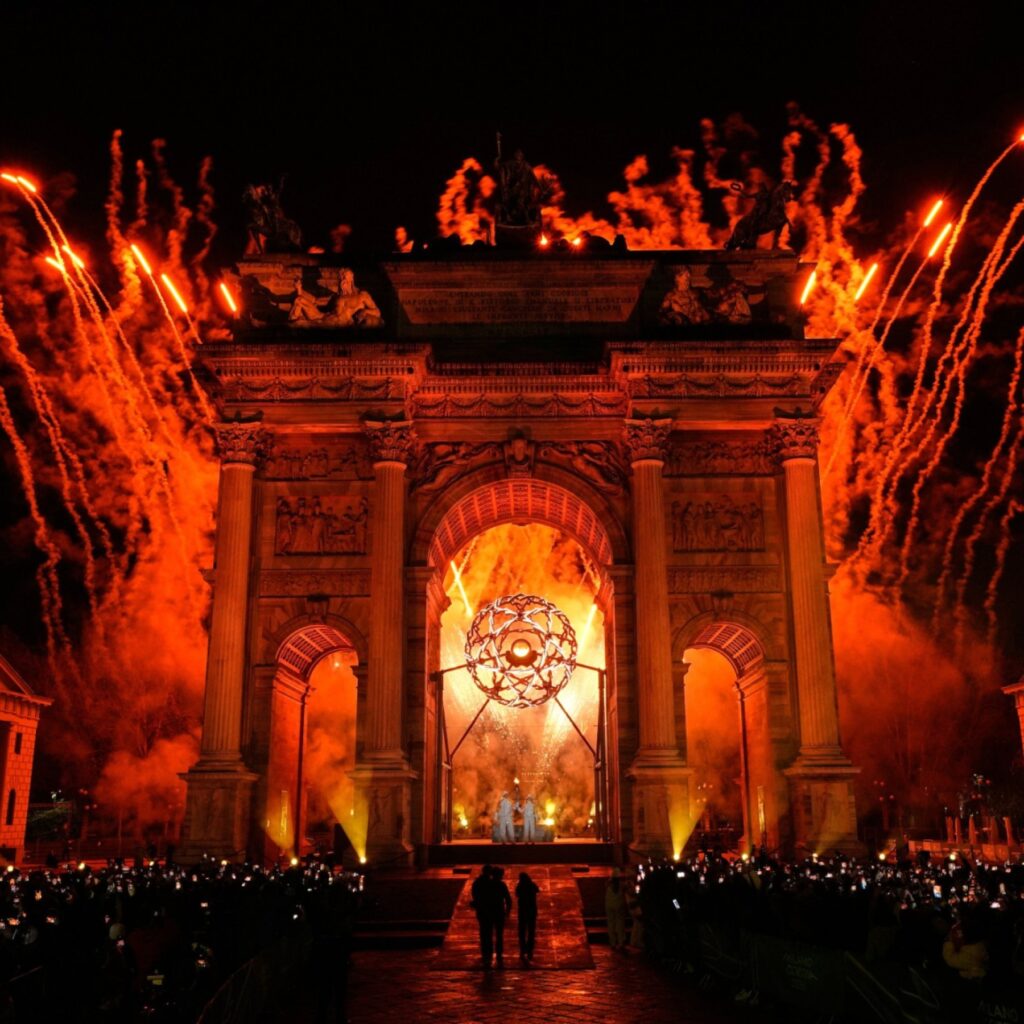
In reality, the cauldron was the product of years of engineering and artistic planning. Designed by Marco Balich in collaboration with Lida Castelli, Paolo Fantin and Fincantieri, the structure consists of 1,440 aluminium components and 244 pivot points. It expands from 3.1 to 4.5 metres in diameter, symbolising movement, unity and transformation. Far from forming a star, its kinetic shape was created to protect the flame and adapt to weather conditions while minimising emissions.
The lighting, meanwhile, drew inspiration from Dante’s Inferno, serving as a literary homage to struggle, resilience and renewal rather than any religious ritual. Designers also cited Leonardo da Vinci’s interwoven knot patterns as a major influence, reflecting harmony between nature and human ingenuity—an appropriate tribute in Milan, home to The Last Supper. Two identical cauldrons were lit simultaneously in Milan and Cortina d’Ampezzo, a first in Winter Games history, to symbolise cooperation between the host cities.
Fact-checkers and historians were quick to dismiss the viral accusations. No pentagram exists in the design, no “occult pillars” were intended, and no credible evidence supports claims of ritual symbolism. The twin flames simply reflect logistical unity in a geographically divided Games. Olympic officials have repeatedly stressed that sustainability, safety and innovation were the project’s guiding principles.
What made the episode striking was not merely the spread of misinformation, but its familiarity. Many observers noted strong parallels with the “Satanic Panic” that gripped parts of the United States and Europe during the 1980s and early 1990s. That era was marked by widespread fears of organised satanic cults allegedly abusing children, despite the absence of credible evidence. Sensational media coverage, flawed psychological practices such as “recovered memory” therapy, and moral campaigning by religious groups fuelled the hysteria.
High-profile cases, such as the McMartin preschool trial in California, dragged on for years and destroyed reputations before collapsing for lack of proof. Heavy metal musicians, fantasy games like Dungeons & Dragons, and even children’s cartoons were accused of promoting devil worship. By the mid-1990s, FBI reports and academic studies had concluded that the panic was driven by suggestion and social anxiety rather than facts.
The Milano Cortina controversy fits neatly into this historical pattern. In times of uncertainty and rapid technological change, symbolic imagery is often reinterpreted through fear. Social media accelerates this process, rewarding sensational claims with attention and engagement. A visually striking design, stripped of context and reframed through conspiracy channels, can quickly become “evidence” of hidden plots.
Similar episodes have occurred before. The London 2012 and Paris 2024 opening ceremonies were both accused by fringe groups of promoting secret ideologies, only for such claims to be debunked. The 2026 Games simply provided a new canvas for an old narrative.
Ultimately, the so-called “satanic” symbolism of the Milano Cortina cauldron tells us far more about contemporary online culture than about the Olympics themselves. It reveals how easily artistic expression can be distorted in digital echo chambers, and how historical moral panics continue to resurface in new forms.
Rather than uncovering hidden rituals, the episode highlights a familiar truth: when fear and misinformation meet striking imagery, reason is often the first casualty. The Olympic flame, intended as a symbol of unity and renewal, became instead a mirror reflecting society’s ongoing struggle to separate fact from fantasy.
*Photos: Internet