
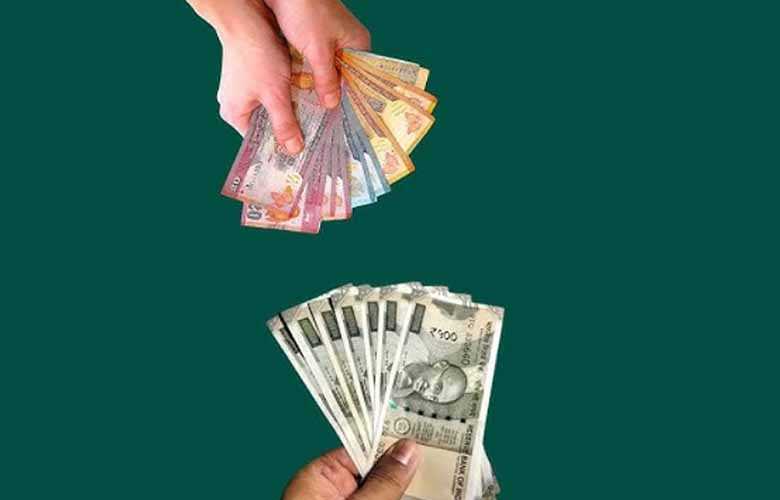
Beyond trade ledgers and reserve statistics, the expansion of INR settlement carries a more immediate impact: how tourists spend and how much they leave behind.
India accounts for 23% of Sri Lanka’s tourist arrivals. Yet payment frictions often limit expenditure. According to Ajay Kumar of the Reserve Bank of India, enabling seamless INR payments could significantly lift tourism receipts.
Indian visitors can now scan QR codes and transact via India’s Unified Payments Interface (UPI) at selected Sri Lankan establishments, following its rollout in February 2024. Kumar argues the network must expand “massively,” claiming Indian tourists would “spend double” if allowed to transact freely in INR instead of converting to US dollars.
This behavioural shift matters. Tourism revenue is not solely about arrivals; it is about per-capita spending. If INR acceptance reduces psychological and transaction barriers, average daily spend could climb without increasing visitor numbers.
The integration goes beyond retail payments. Authorised Indian dealer banks may extend INR-denominated trade loans to Sri Lankan banks and individuals. Investors, particularly Indian public sector corporations, are also being encouraged to finance projects in INR rather than USD to avoid exchange losses when revenues are rupee-linked.
Governor Nandalal Weerasinghe of the Central Bank of Sri Lanka sees payments connectivity as central to the next growth phase. Sri Lanka’s economy grew about 4.5% in 2025, with projections of 4–5% this year. Inflation remains subdued, and external buffers have strengthened after debt restructuring.
Regional trade within South Asia remains around 5% of GDP far below ASEAN’s 22.5%. Currency interoperability could help close that gap, especially if banks operationalise SRVAs efficiently.