
By: Staff Writer
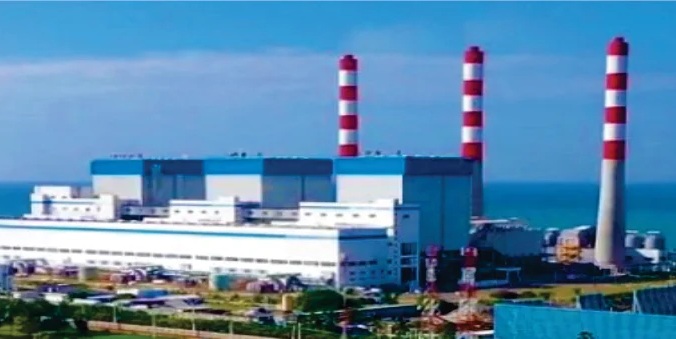
February 24, Colombo (LNW): Sri Lanka’s power sector is confronting an escalating financial and environmental emergency as inferior coal supplies undermine performance at the Lakvijaya Power Plant, the country’s largest thermal power station.
Recent laboratory findings indicating ash content as high as 21 percent well above the contractual ceiling have intensified scrutiny over procurement oversight. Engineers confirm that the lower calorific value of the coal has significantly reduced generation efficiency, cutting daily output by nearly 100 megawatts.
The economic repercussions are immediate. The Ceylon Electricity Board is reportedly losing around Rs. 75 million per day due to diminished plant efficiency and the necessity of procuring supplementary thermal power at premium rates. Over a year, such losses could approach Rs. 100 billion funds that would otherwise support grid upgrades, renewable expansion, or debt stabilization.
Energy specialists note that substandard coal not only generates less electricity but accelerates equipment wear, increases unplanned shutdowns, and raises maintenance expenditure. In effect, consumers and taxpayers absorb the compounded cost of technical inefficiency and fuel mismanagement.
Environmental consequences are equally severe.
Coal ash volumes have surged, straining storage capacity. Each tonne of excess ash heightens the risk of airborne contamination and groundwater seepage. Fly ash particles, rich in mercury, arsenic, lead and cadmium, can infiltrate food chains if not securely contained.
Environmental advocates warn that open ash pits and inadequate lining systems leave nearby communities vulnerable to toxic exposure. During dry conditions, wind-blown ash contributes to respiratory distress and chronic health concerns.
Marine impacts compound the crisis. Thermal discharge from the plant continues to elevate surrounding seawater temperatures, stressing coral ecosystems and marine biodiversity. Increased coal combustion also elevates fine particulate emissions, degrading air quality far beyond the plant’s immediate vicinity.
Economists argue that environmental damage carries its own hidden ledger healthcare costs, fisheries decline, agricultural impact, and remediation expenses. When these externalities are factored in, the true cost of inefficient coal procurement far exceeds the visible Rs. 75 million daily loss.
The unfolding situation underscores a critical policy dilemma: reliance on coal without rigorous quality enforcement and waste governance multiplies both fiscal and ecological risk. Energy reform advocates are pressing for transparent fuel audits, strict compliance monitoring, and accelerated investment in renewables to reduce exposure to volatile and environmentally hazardous imports.
As financial losses mount and ash accumulates, Norochcholai stands as a stark reminder that energy security cannot be separated from economic prudence and environmental stewardship