LISTEN TO STORY
WATCH STORY
By: Isuru Parakrama
March 02, World (LNW): Below is a deepdive into the life of Ayatollah Ali Khamenei, Iran’s leader supreme who was confirmed to have been killed during the recent joint assault by US-Israeli security forces against Iran, marking the end of an era of one of the most powerful political leaders in modern history.
Khamenei was born on July 17, 1939 in Mashhad, north-eastern Iran, near the revered Imam Reza Shrine. The second son in a clerical family of Azeri-Iranian descent, he grew up immersed in religious scholarship. His father, Ayatollah Javad Khamenei, had studied in Najaf before settling in Mashhad, providing his son with a firm grounding in Shi’a theology.
From an early age, Khamenei was educated in traditional Islamic schools, learning the Qur’an and classical religious sciences. By his early teens he had adopted clerical dress and begun advanced theological studies, marking him out as a serious religious student with ambitions beyond the ordinary.
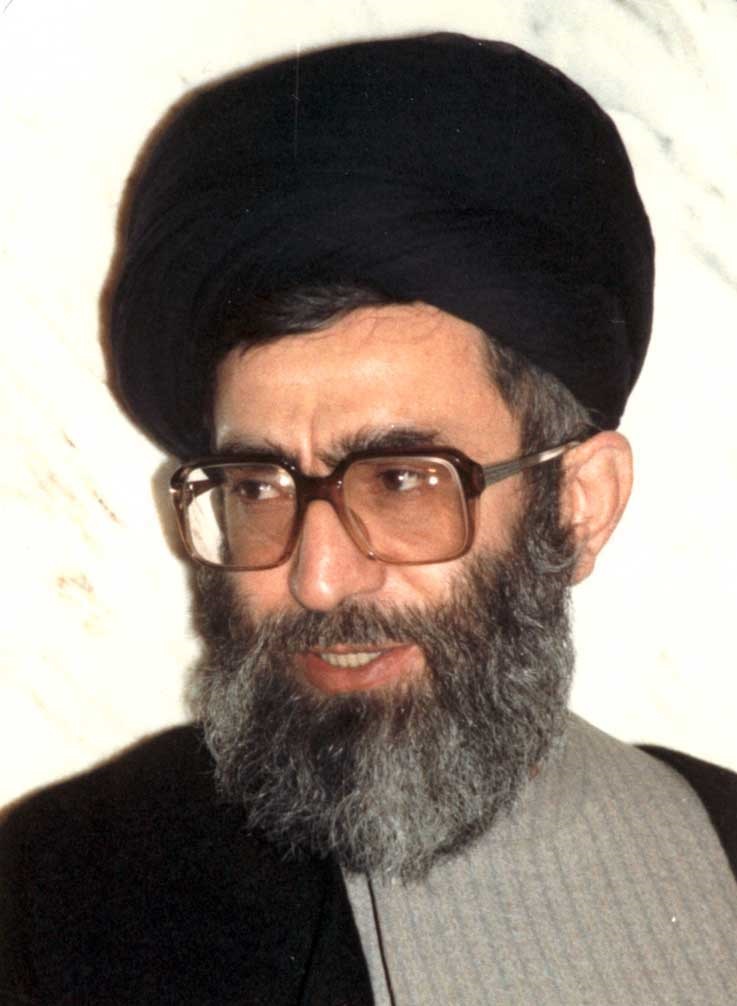
Formation of a Revolutionary Cleric
Khamenei pursued seminary studies in Mashhad and later in Qom, where he attended lectures by leading Shi’a scholars, including figures associated with Ruhollah Khomeini. His rapid progress through the clerical curriculum earned him the rank of Ayatollah and established his credentials within Iran’s religious hierarchy.
While in Qom, he absorbed not only theology but also political dissent. The Shah’s modernising and Western-leaning policies had stirred resentment among sections of the clergy. Khamenei became part of this oppositional current, aligning himself with Khomeini’s critique of monarchical rule and foreign influence.
Opposition to the Shah
During the final decades of Mohammad Reza Shah Pahlavi’s reign, Khamenei emerged as a committed activist. He participated in underground Islamist networks, distributed political-religious writings and organised opposition activities. These actions led to multiple arrests and periods of imprisonment.
His reputation as a steadfast revolutionary was strengthened by these experiences. By the late 1970s he had become a trusted ally of Khomeini, helping to connect exiled leadership with activists inside Iran. When the Shah fled in January 1979, Khamenei stood among those poised to shape the new Islamic Republic.
Rise Within the Islamic Republic
After the revolution, Khamenei quickly assumed influential posts. He served as Tehran’s Friday Prayer Imam and held positions linked to religious guidance and media oversight, roles that allowed him to shape ideological messaging in the nascent state.
In 1981 he was elected Iran’s third president, governing during the brutal Iran–Iraq War. That same year, he survived an assassination attempt when a bomb concealed in a public-address system exploded, severely injuring his right arm and leaving it partially paralysed. The injury became a potent symbol of personal sacrifice and revolutionary legitimacy.
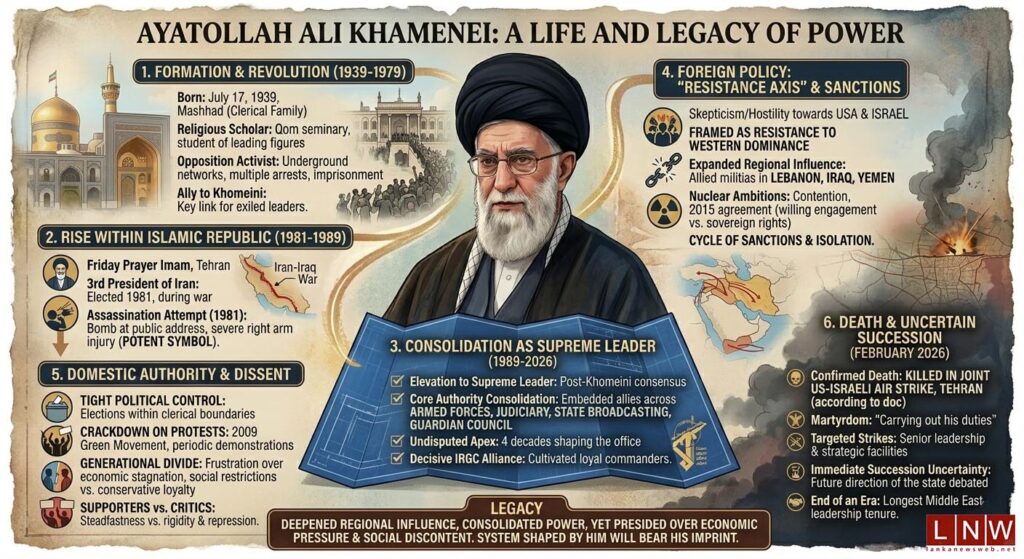
Becoming Supreme Leader
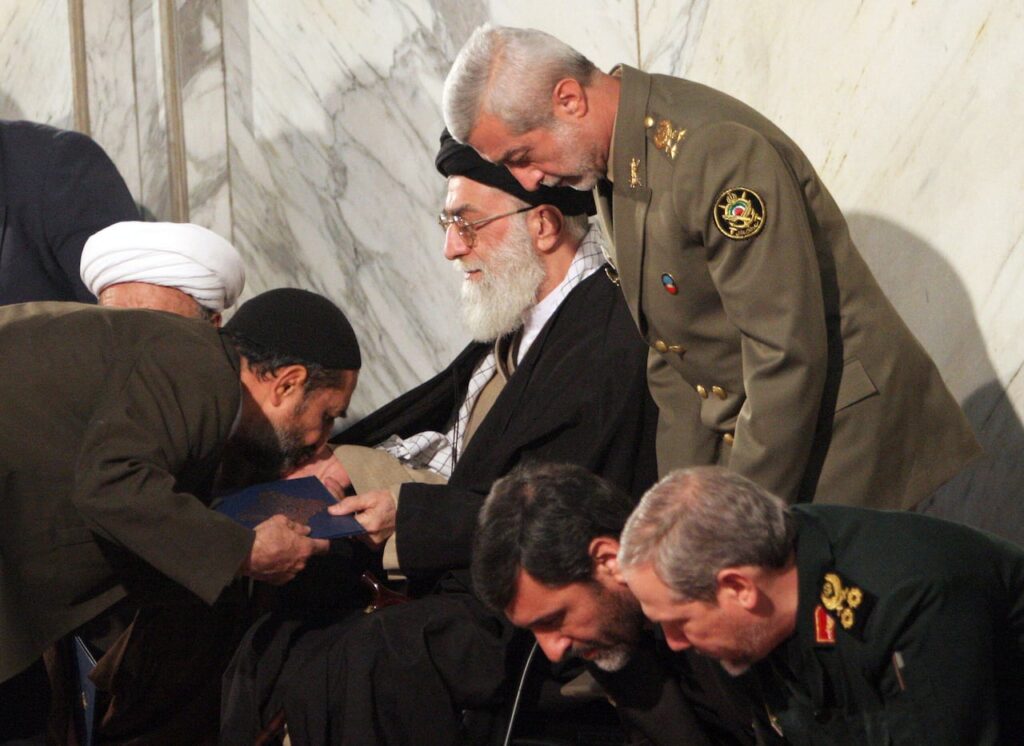
Following Khomeini’s death in 1989, Khamenei was elevated to the position of Supreme Leader. Though some clerics questioned whether he possessed the seniority traditionally associated with the role, political consensus carried him forward. Over time, he consolidated authority across the armed forces, judiciary, state broadcasting and the Guardian Council, which supervises elections and candidate eligibility.
His relationship with the Islamic Revolutionary Guard Corps proved particularly decisive. By cultivating loyal commanders and embedding allies in key institutions, he ensured that the levers of power remained firmly in his grasp. Across nearly four decades, he transformed the office into the undisputed apex of Iran’s political system.
Foreign Policy and the ‘Resistance Axis’
Khamenei’s foreign policy was defined by scepticism—often hostility—towards the United States and Israel. He framed Iran’s regional posture as resistance to Western dominance and worked to expand Tehran’s influence through allied movements and militias in Lebanon, Iraq and Yemen.
He also presided over contentious debates surrounding Iran’s nuclear ambitions. While willing at times to permit diplomatic engagement, including the 2015 nuclear agreement, he consistently sought to protect what he viewed as Iran’s sovereign rights and strategic deterrence.
This assertive stance extended Iran’s reach but entrenched cycles of sanctions, isolation and confrontation that shaped the country’s economy and global standing.
Domestic Authority and Dissent
At home, Khamenei oversaw a system marked by tight political control. Elections continued, but within boundaries set by clerical oversight. Periodic protests—most notably the 2009 Green Movement and later demonstrations over economic hardship and social restrictions—were met with firm crackdowns.
Critics accused his administration of restricting freedoms of speech and assembly, while supporters argued that strong measures were necessary to defend the revolution against internal and external threats. These tensions underscored a generational divide: younger Iranians often expressed frustration with economic stagnation and social constraints, even as conservative constituencies remained loyal.
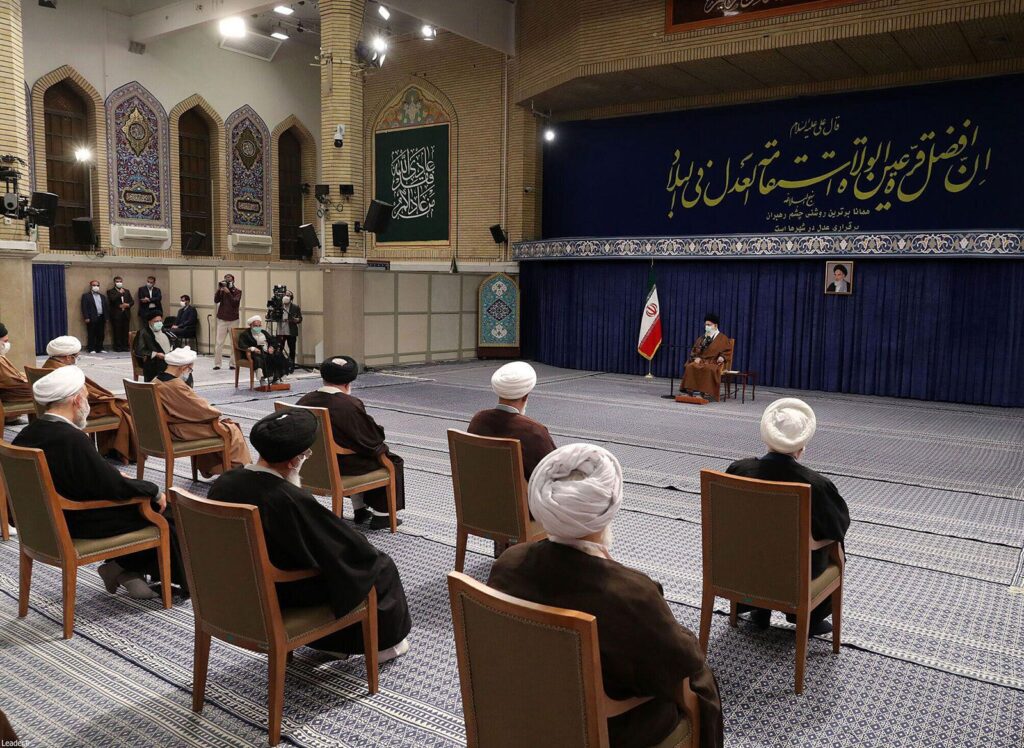
Death and Uncertain Succession
In late February 2026, Khamenei was killed in a joint U.S.–Israeli air strike on Tehran, according to the document. Iranian state media described his death as martyrdom while he was “carrying out his duties”. The strike reportedly targeted senior leadership and strategic facilities, creating immediate uncertainty over succession and the stability of the Islamic Republic.
His passing ended one of the longest tenures of leadership in the modern Middle East and triggered a high-stakes debate within Iran’s ruling establishment over the future direction of the state.
Legacy of a Dominant Figure
Ayatollah Ali Khamenei’s rule spanned war, reconstruction, sanctions and recurring unrest. He deepened Iran’s regional influence and entrenched the authority of the Supreme Leader’s office, yet presided over mounting economic pressures and social discontent.
To supporters, he embodied steadfastness and ideological continuity. To critics, he represented rigidity and repression. His life story—rooted in clerical scholarship, forged in revolution and sustained through calculated consolidation of power—left an indelible mark on Iran’s political architecture.
Whether his successors choose continuity or reform, the system he shaped will bear his imprint for years to come.