
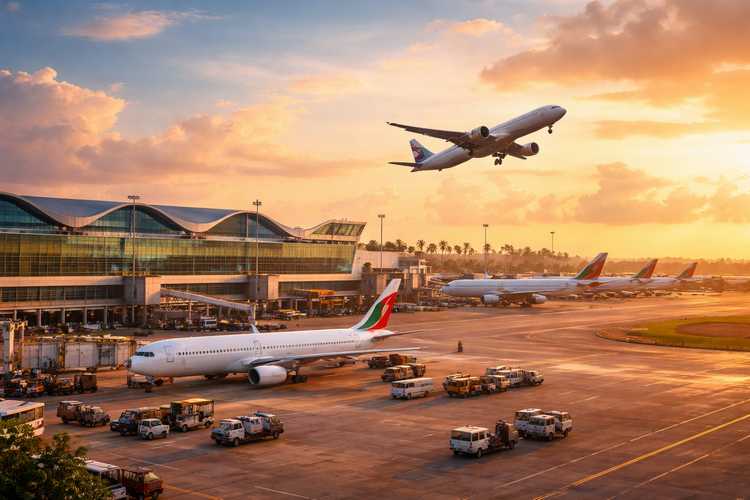
March 03, Colombo (LNW): The Sri Lanka Tourism Development Authority (SLTDA) has reaffirmed its unwavering dedication to safeguarding the welfare of overseas visitors currently holidaying on the island, as regional tensions and airspace restrictions in parts of the Middle East continue to disrupt international travel.
Although Sri Lanka itself remains calm and secure, authorities have introduced a series of precautionary measures to assist travellers affected by flight cancellations and delays, particularly those from Iran, Iraq and neighbouring Middle Eastern nations.
In a move designed to ease uncertainty, the Government has granted a complimentary 14-day visa extension to all tourists presently in the country. Officials say the decision is intended to relieve pressure on visitors who may find themselves temporarily unable to depart due to suspended or rerouted flights.
At the same time, the SLTDA has issued an urgent advisory to all registered tourism service providers — including hotels, guesthouses, tour operators and licensed guides — instructing them to extend practical support to guests facing travel disruption. Service providers have been asked to monitor airline announcements closely, offer flexible accommodation arrangements such as late check-outs and extended stays, and amend travel plans to accommodate revised departure schedules. Internal transport assistance is also being coordinated where necessary.
To ensure immediate assistance is readily available, round-the-clock emergency hotlines remain active. The 1912 Tourist Emergency Hotline, based at the Tourist Information Centre at Bandaranaike International Airport, is providing multilingual support and coordinating logistical help for affected visitors. Airport and Aviation Services can be contacted on 1994 for real-time updates on flight operations, while passengers booked with SriLankan Airlines are able to seek rebooking or status information via dedicated domestic and international helplines.
In addition, the SLTDA has strengthened its monitoring framework by working closely with registered travel agents to track visitors scheduled to depart in the coming days. Collaboration with the Tourist Police has also been intensified, ensuring a visible security presence across major tourism hubs and popular attractions.
Tourism officials have emphasised that these coordinated efforts reflect Sri Lanka’s broader commitment to maintaining its reputation as a safe and welcoming destination, even amid wider regional instability.