LISTEN TO STORY
WATCH STORY
By: Isuru Parakrama
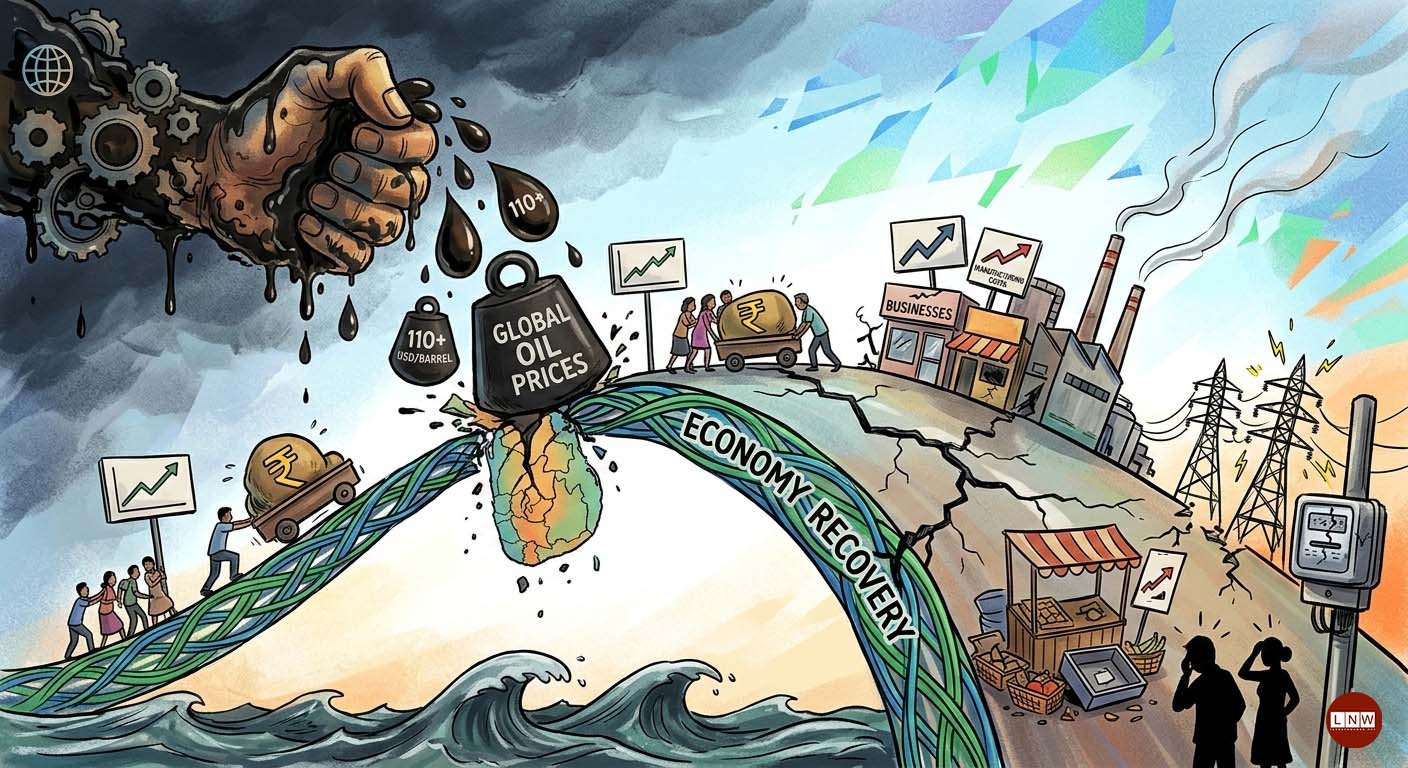
March 10, Colombo (LNW): The sharp rise in global oil prices in early March 2026 has sent shockwaves through energy markets and is beginning to reverberate across Sri Lanka’s fragile post-crisis economy.
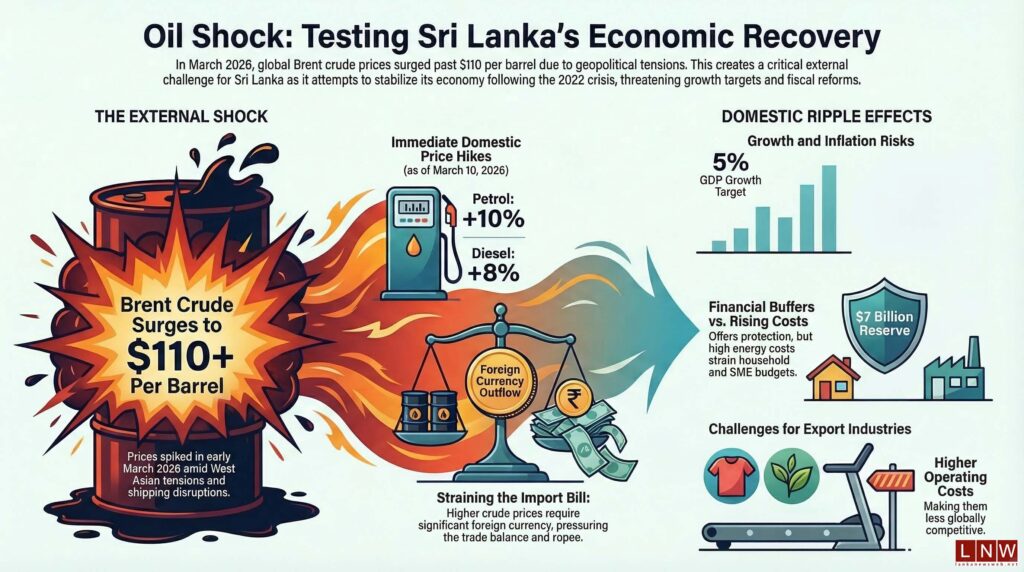
Brent crude recently surged beyond 110 US dollars per barrel amid heightened geopolitical tensions in West Asia and concerns over shipping disruptions near the Strait of Hormuz. For Sri Lanka, which depends heavily on imported fuel, the sudden increase represents a significant external challenge at a time when the country is still stabilising after the severe economic crisis of 2022.
Although the Central Bank has stated that Sri Lanka is now in a stronger position than it was during the height of the crisis, analysts warn that a prolonged rise in global energy prices could test the country’s economic resilience.
In response to the global trend, the government has already adjusted domestic fuel prices. Diesel prices have risen by nearly eight per cent while petrol has increased by about ten per cent from 10 March, reflecting the cost pressures faced by importers.
One of the most immediate concerns is the growing burden on the country’s import bill. Petroleum products account for a substantial portion of Sri Lanka’s annual imports, and higher international crude prices mean the nation must spend considerably more foreign currency to secure fuel shipments. Economists estimate that a sustained surge in oil prices could add hundreds of millions of dollars to the country’s annual energy import bill, placing pressure on the trade balance and foreign exchange reserves.
Sri Lanka has rebuilt its reserves to more than seven billion US dollars in recent months, offering some protection against external shocks. However, increased demand for foreign currency to pay for oil imports could place renewed pressure on the rupee and widen the country’s trade deficit.
Higher fuel costs are also expected to influence inflation. Although consumer price growth had fallen sharply to around 1.6 per cent after peaking at record levels during the economic crisis, rising transport and production costs could gradually push prices upward again. Fuel acts as a key input across the economy, meaning increases at the pump often translate into higher costs for goods, food distribution and manufacturing.
Energy prices may also affect electricity production. While Sri Lanka relies heavily on hydro and coal generation, fuel-based power plants still play an important role, particularly during periods of low rainfall. If global oil prices remain elevated, electricity generation costs could rise, potentially leading to higher tariffs for households and businesses.
Economists caution that the impact could extend to economic growth. Sri Lanka had been aiming for roughly five per cent GDP growth in 2026 as the economy recovered from the downturn. However, higher fuel and electricity costs may slow business activity, reduce consumer spending and increase production expenses for industries.
The ripple effects are likely to be felt by ordinary citizens as well. Rising transport costs can drive up the price of essential goods, including food, while higher energy bills may strain household budgets. Small businesses, which often operate on tight margins, may also struggle to absorb the additional costs.
Export-oriented industries could face further challenges. Manufacturing sectors such as apparel, tea processing and rubber products rely heavily on energy and transport. As operating costs rise, Sri Lankan exporters may find it harder to compete with producers in countries where energy costs remain lower.
The surge in oil prices may also complicate Sri Lanka’s economic reform programme under the International Monetary Fund. The country is currently implementing a multibillion-dollar recovery programme that requires strict fiscal discipline and gradual reductions in state subsidies. Any attempt to shield consumers from fuel price increases through subsidies could place pressure on government finances and complicate programme targets.
Meanwhile, the business community is closely watching how the government responds to the external shock. Rising energy costs and currency volatility could delay investment decisions and slow the momentum of the economic recovery.
While policymakers stress that the country now possesses stronger financial buffers than during the 2022 crisis, the latest oil price surge highlights how vulnerable Sri Lanka remains to global developments. Analysts say the coming months will be a crucial test of whether the island’s economic recovery can withstand renewed pressure from international energy markets.