
The 2026 Iran war is a lesson in the limits of power. You cannot bomb a civilization into a democracy, and you cannot win a war when your own people don’t believe in the cause. The picture shows Protesters rally in response to U.S.-Israeli attacks on Iran, at Embarcadero Plaza in San Francisco. (Picture courtesy KQED)
In military terms, Iran is a “defender’s dream.” Its rugged terrain acts as a natural force multiplier
While technology wins battles, it is the human will and a clear “end-state” that win wars
By dragging the conflict out, Iran is successfully depleting the expensive and limited stocks of Western interceptor missiles
Once those interceptors are depleted, the 27 American bases in the Middle East become “sitting ducks.” Iran isn’t fighting to win a traditional dogfight; they are fighting to make the cost of American presence unsustainable

The history of warfare is littered with the hubris of technologically superior powers who underestimated the resilience of a civilization state. On February 28, 2026, the world watched as a decapitation strike, intended to trigger a regime change in Tehran instead ignited a firestorm that threatens to consume the global economy.
As an infantry officer who spent two decades in the trenches of the Sri Lankan civil war, I have seen firsthand that while technology wins battles, it is the human will and a clear “end-state” that win wars. The current US-Israeli campaign against Iran is missing both; mirroring the same strategic failures that plagued the Indian Peace Keeping Force (IPKF) in Sri Lanka.
1. The geographic and demographic fortress
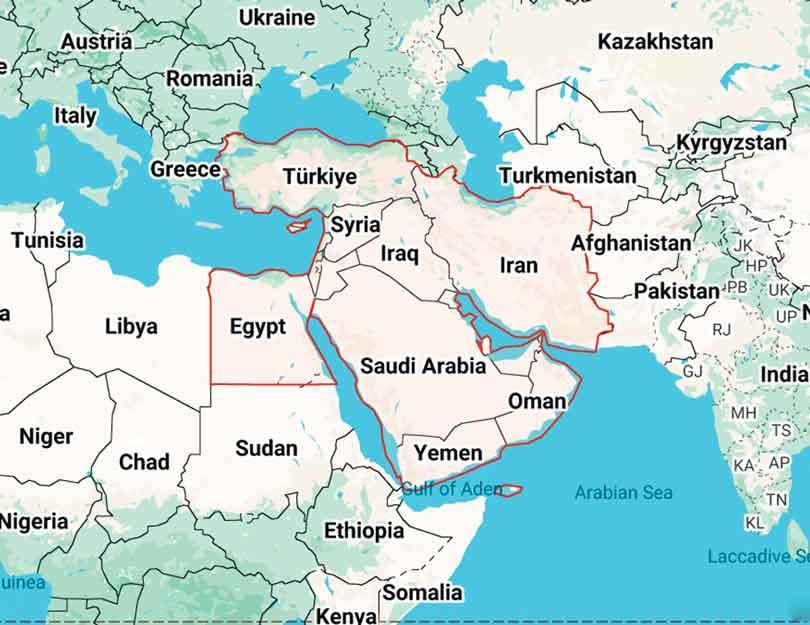
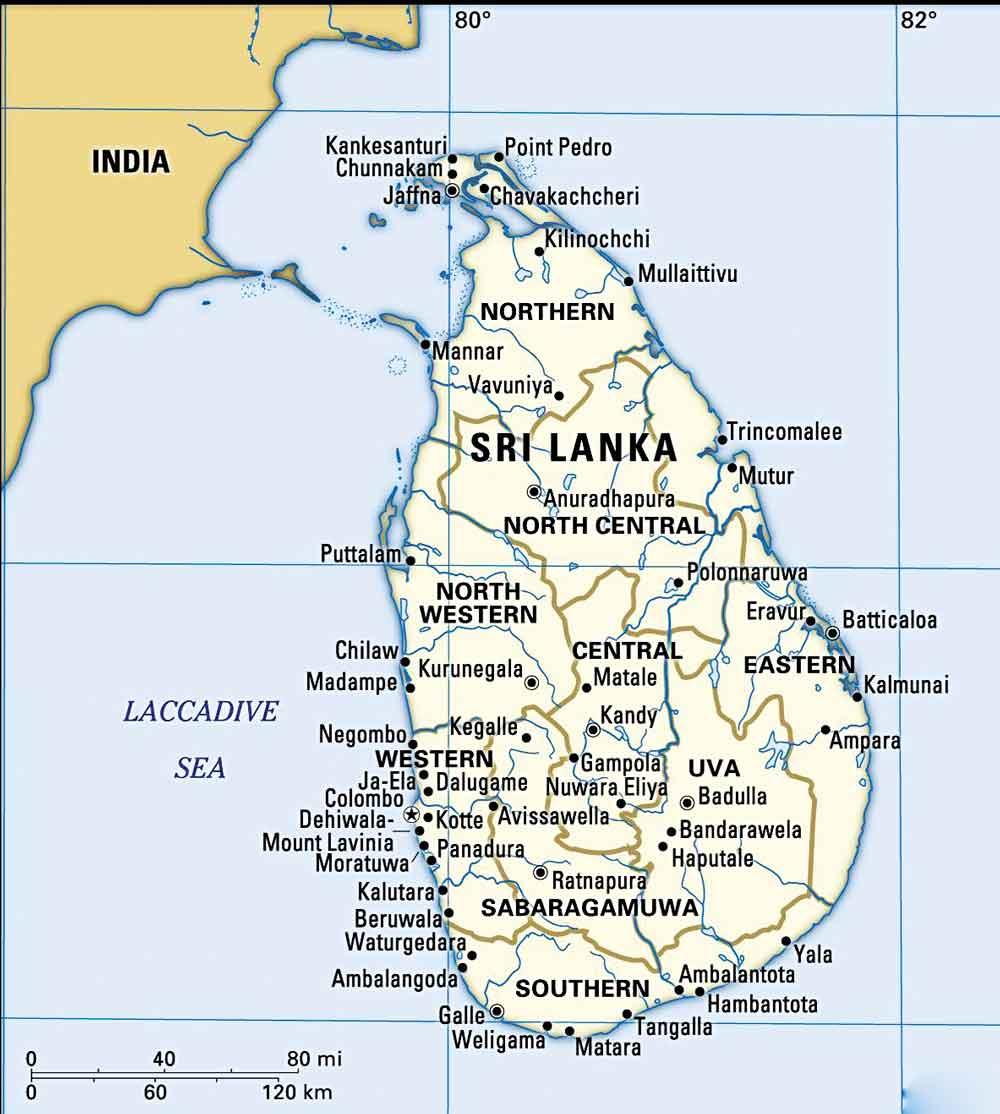
The fundamental miscalculation begins with a failure to understand what Iran is. Unlike Iraq, Libya, or Venezuela, Iran is a mountain-guarded civilization with a population of 92 million. It is 25 times the size of Sri Lanka and 75 times the size of Israel.
In military terms, Iran is a “defender’s dream.” Its rugged terrain acts as a natural force multiplier. Any attempt at a ground assault would require a commitment of troops that neither the United States nor Israel is prepared to lose. Western societies are historically casualty-averse; they “fear death and injury by nature” when the cause is not perceived as an existential threat to their own soil. In contrast, the Iranian population, now galvanised by the death of Ayatollah Ali Khamenei, views this as a war for national survival.
2. The War of Attrition: Interceptors vs. Drones
The US-Israeli strategy relied on a “100-hour” knockout blow heavy casualties and immediate regime collapse. However, the Iranian strategy is more patient and far more dangerous: a war of attrition. By dragging the conflict out, Iran is successfully depleting the expensive and limited stocks of Western interceptor missiles. A swarm of low cost Iranian drones and ballistic missiles costs a fraction of the Aegis or Iron Dome interceptors used to stop them. Once those interceptors are depleted, the 27 American bases in the Middle East become “sitting ducks.” Iran is not fighting to win a traditional dogfight; they are fighting to make the cost of American presence unsustainable.
3. The Economic Noose: The Strait of Hormuz
The closure of the Strait of Hormuz has sent shockwaves through the global markets. While President Trump threatened to force the passage open, the reality on the water is different. Iran’s proximity to the strait gives it a decisive military advantage via shore-based anti-ship missiles and asymmetric naval tactics.
The result? Oil prices soaring past $100 per barrel. This is an economic “dirty bomb” dropped on the doorsteps of Europe and Asia. For countries like Sri Lanka, already navigating delicate economic recoveries, these prices are catastrophic. By allowing Chinese and Russian vessels to pass while blocking others, Iran is effectively driving a wedge between the US and its traditional allies, who now see American policy as the primary threat to their own heating and transport costs.
4. The “Vietnam” of the Middle East: Lack of Domestic Support
No war can be won without the “blessing” of the local population. The American public doesn’t see Iran as a direct threat. There is a growing realization that this is an “Israel-first” war, funded by lobby interests rather than national necessity.
President Trump campaigned on an “America First” platform, promising to end “forever wars.” By initiating this conflict, he has inverted that promise. He is now spending an estimated $3.2 billion every 100 hours. If this war lasts 100 days, the bill will exceed more than half of American defense budget and American taxpayers will not tolerate for a war of choice.
5. The IPKF Parallel: A War without an End-State
My experience with the IPKF in Sri Lanka provides the most haunting parallel. The Indian Army entered Sri Lanka with superior numbers and technology, but they lacked a clear, achievable end-state. They were fighting on behalf of another’s interests, and the “human psychology” of the soldier reflects that.
In Iran, the US has no realistic end-state.
 Regime Change? The killing of the leadership has unified a fractured population.
Surrender? A civilization with thousands of years of history does not surrender to a “blessing” from Washington.
Puppet Leadership? Any leader appointed by Trump would have zero legitimacy and would be assassinated within days.
6. The Crumbling of NATO and International Law
The arrest of Venezuelan Leader Nicolás Maduro and the threats toward Greenland had already alienated NATO. This unilateral strike on Iran, conducted under the influence of the Israel lobby, has left the US isolated. When the commander-in-chief prioritises the interests of a foreign lobby over the stability of his own allies, the “good faith” that holds alliances together evaporates.
Impact of Iran-US Conflict on Sri Lanka
The military escalation on February 28, 2026, between the US-Israeli coalition and Iran has triggered a seismic shock to the global economy. For Sri Lanka, a nation still in the “fragile waiting zone” of recovery after its 2022 crisis, this conflict is not a distant geopolitical event. It is a direct threat to its national stability.
The Macro-Economic Fallout
Sri Lanka’s economy is deeply tethered to the Middle East through three primary lifelines: Energy, Remittances and Exports.
Energy Insecurity: Sri Lanka is a net importer of oil, spending approximately $3.8 billion annually. The closure of the Strait of Hormuz through which 20% of global oil flows has already pushed Brent crude toward the $100-$110 range. This feeds directly into the domestic pricing formula, causing immediate spikes in petrol and diesel prices.
The Remittance Risk: Over one million Sri Lankans work in the Gulf. Remittances, which reached over $8 billion in 2025, are the backbone of the island’s foreign exchange reserves. A regional war puts these workers in physical danger and threatens to freeze the primary source of dollar inflows.
Export Disruptions: The Middle East (specifically Iran, Iraq, and the UAE) accounts for nearly 20% of Ceylon Tea exports. War-related logistics hurdles and reduced purchasing power in these markets threaten the livelihoods of the plantation sector.
Strategic Recommendations for Sri Lanka
To weather this storm, the government and the private sector must pivot from “recovery” to “defensive resilience.
Just as in the infantry, the success of Sri Lanka’s economic defense depends on the psychology of the public.
1. Transparency: The government must provide regular, honest briefings on fuel stocks (currently at ~35 days) to prevent panic buying and hoarding.
2. Vulnerable Protection: Targeted subsidies must be used to shield the poorest from the “imported inflation” of food and transport costs.
3. Diplomatic Neutrality: Sri Lanka must maintain its “friend to all” foreign policy, ensuring that its shipping lanes remain open even as major powers take sides.
The 2026 conflict is a reminder that in a globalised world, a spark in the Persian Gulf can start a fire in the Indian Ocean. Sri Lanka must act with the discipline of an infantry unit; clear objectives, managed resources and a focus on survival.
Conclusion: The Inevitable Settlement
The “man behind the weapon” always matters more than the weapon itself. The Iranian soldier is fighting for his home; the American soldier is fighting for a policy he doesn’t understand.
Within a month, the pressure will become unbearable. Between the depletion of interceptors, the rebellion of European allies, the global outcry over oil prices, and the mounting body bags, Trump will find himself with no escape. He will be forced to the negotiating table for a settlement he never intended to grant.
The 2026 Iran war is a lesson in the limits of power. You cannot bomb a civilization into a democracy, and you cannot win a war when your own people don’t believe in the cause.
(The writer is a battle hardened Infantry Officer who served the Sri Lanka Army for over 36 years, dedicating 20 of those to active combat. In addition to his military service, Dr. Perera is a respected International Researcher and Writer, having authored more than 200 research articles and 16 books. He holds a PhD in economics and is an entrepreneur and International Analyst specialising in National Security, economics and politics. He can be reached at [email protected])
