
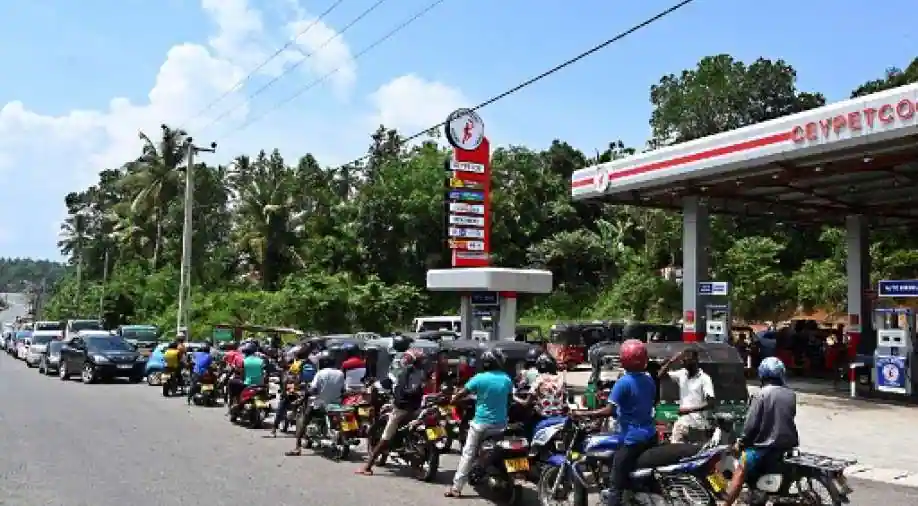
As concerns grow over a looming fuel shortage triggered by escalating tensions in the Gulf region, the government’s decision to appoint a high-level committee on the “energy economy” has drawn both attention and skepticism. While officials present the move as a proactive strategy, critics argue it may be a delayed response to an already unfolding crisis.
Sri Lanka remains heavily dependent on imported fuel, making it highly vulnerable to global supply disruptions. With shipping routes under strain and international prices fluctuating, the country faces the risk of delayed or reduced fuel supplies in the coming weeks. Despite these warning signs, authorities have struggled to secure and deliver even previously ordered shipments through the state petroleum corporation, raising serious concerns about operational readiness.
Against this backdrop, the newly appointed committee tasked with guiding the country through the emerging energy crisis has been positioned as a central decision-making body. However, questions are being raised about whether forming yet another committee can deliver immediate, tangible results in a situation that demands urgent execution rather than prolonged deliberation.
Public frustration is mounting. Many citizens recall past instances where committees were formed during crises but failed to produce timely or effective solutions. Critics argue that the current situation requires decisive action: securing supply lines, negotiating emergency imports, and ensuring efficient distribution. Instead, the government appears to be prioritizing structural discussions over immediate crisis management.
The composition of the committee has also come under scrutiny. Observers question whether its leadership and members possess the operational authority and independence required to act swiftly. Concerns have been raised about potential conflicts of interest and whether vested interests could influence policy recommendations at a time when transparency is critical.
Meanwhile, the economic impact of a potential fuel shortage looms large. Transport, power generation, and essential services are all at risk, which could trigger a broader economic slowdown. Small businesses and daily wage earners are particularly vulnerable, as fuel shortages often lead to cascading price increases and reduced economic activity.
While the government insists that the committee will deliver a coordinated and sustainable approach, the urgency of the crisis leaves little room for delays. The coming weeks will be a critical test not just of policy direction, but of the state’s ability to act swiftly and decisively in the face of mounting pressure.
Ultimately, the key question remains: can a committee-driven approach address an immediate crisis, or will it become another layer of bureaucracy in a moment that demands action above all else?