
By: Staff Writer
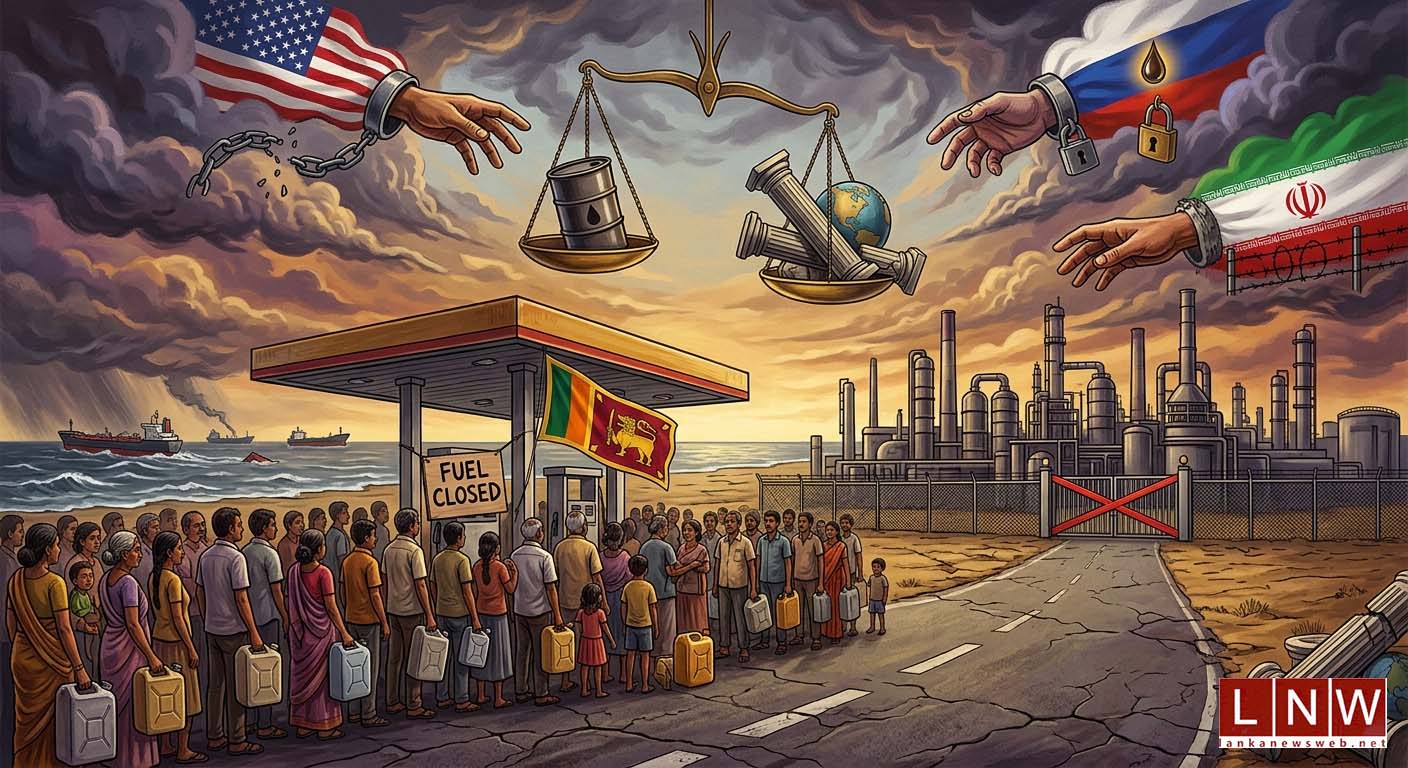
April 05, Colombo (LNW): Sri Lanka is facing an escalating fuel emergency that exposes deep flaws in its foreign policy positioning and energy security strategy. With the Sapugaskanda oil refinery on the brink of shutdown, the government is scrambling to secure crude oil supplies in an increasingly volatile global environment.
President Anura Kumara Dissanayake has acknowledged the severity of the situation, warning that unless urgent solutions are found, refinery operations may cease within days. Although tenders have been placed for shipments expected months later, the country is now forced to rely on costly and uncertain spot purchases. Even these are proving difficult, with authorities exploring unconventional options such as acquiring cargo already at sea.
At the heart of the crisis lies Sri Lanka’s dependence on Iranian crude oil, which is particularly suited for refining at Sapugaskanda oil refinery. However, ongoing geopolitical tensions and sanctions linked to the US-led alliance have effectively cut off access to Iranian supplies. This has left Sri Lanka in a vulnerable position, despite assurances of support from Iran’s diplomatic representatives.
The government’s attempt to maintain a nonaligned foreign policy is increasingly being questioned. Critics argue that Sri Lanka’s perceived tilt toward the United States has undermined its ability to maintain stable energy partnerships with countries like Iran and Russia. This inconsistency has created uncertainty among potential suppliers at a time when reliability is critical.
Russia has emerged as a possible alternative, offering two initial fuel shipments. However, this proposal comes with conditions, including a requirement for Sri Lanka to commit to a five-year import agreement. Such a deal carries significant risks, particularly given the temporary nature of US sanctions relief on Russian oil.
The 30-day sanctions waiver granted by Washington is set to expire soon, raising concerns about the legality and feasibility of any long-term agreement with Moscow. If sanctions are reinstated, Sri Lanka could once again find itself cut off from a crucial energy source, triggering further diplomatic complications.
Meanwhile, global supply disruptions exacerbated by conflict in the Middle East and the closure of key shipping routes have intensified competition for fuel. Sri Lanka’s limited refinery capacity of 50,000 barrels per day further constrains its flexibility in sourcing alternative crude types.
The situation highlights a broader structural issue: Sri Lanka’s lack of a coherent, long-term energy strategy aligned with its foreign policy. As the country navigates competing global powers, its inability to secure stable fuel supplies underscores the risks of an inconsistent diplomatic approach.
Unless decisive action is taken to stabilize both energy procurement and foreign relations, Sri Lanka may face not only a prolonged fuel shortage but also deeper economic and political consequences.