
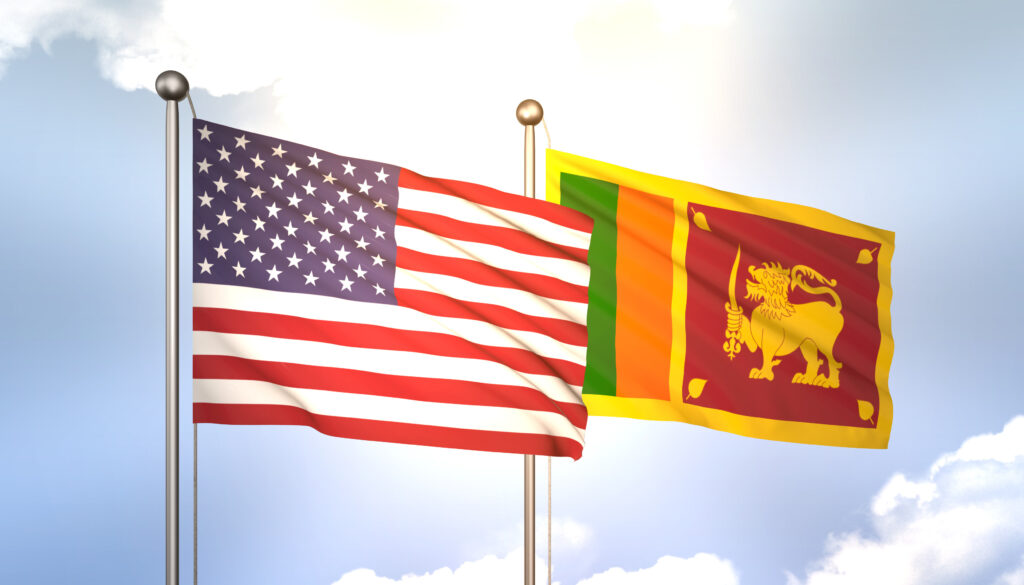
The United States is signalling a strategic shift in its economic relationship with Sri Lanka, calling for a more balanced and reciprocal trade framework as the island emerges from its recent financial crisis. The message, delivered at a CEO forum hosted by the American Chamber of Commerce in Sri Lanka, reflects growing optimism but also rising expectations from US stakeholders.
Speaking at the event, Zachary Bailey highlighted a notable turnaround in investor sentiment. According to him, American businesses operating in Sri Lanka are significantly more confident than in previous years, describing the current outlook as one of “cautious optimism.”
However, this improved sentiment comes with clear conditions. The United States is now encouraging Sri Lanka to move beyond traditional trade dynamics, where developing economies benefited from asymmetric access to developed markets. Instead, Washington is advocating for a more reciprocal model one that includes increased imports of US goods and stronger bilateral investment flows.
The imbalance is evident in current trade figures. The US remains Sri Lanka’s largest export destination, accounting for approximately $3 billion of total exports in 2025. Yet, US exports to Sri Lanka and investment inflows remain comparatively limited, with American foreign direct investment representing only a small fraction of total FDI.
US officials believe this gap presents an opportunity. Expanding imports of American products—ranging from agricultural goods to industrial machinery and pharmaceuticals—could help rebalance trade while strengthening economic ties.
At the same time, Sri Lankan companies are being encouraged to look outward. The US is actively promoting inbound investment from Sri Lanka, signalling openness to deeper corporate linkages and cross-border expansion.
Despite the positive tone, structural challenges remain a key concern. US investors continue to prioritise regulatory stability, transparent tax policies, efficient customs procedures, and overall ease of doing business. Without progress in these areas, Sri Lanka risks losing momentum in attracting high-quality foreign investment.
Long-term predictability is especially critical. Investors are increasingly focused on whether policies can remain consistent over five to ten years an essential requirement for large-scale capital commitments.
The message from Washington is clear: while Sri Lanka’s recovery has reopened doors, the next phase will depend on whether it can align with evolving global trade expectations and deliver a more predictable, investor-friendly environment.