
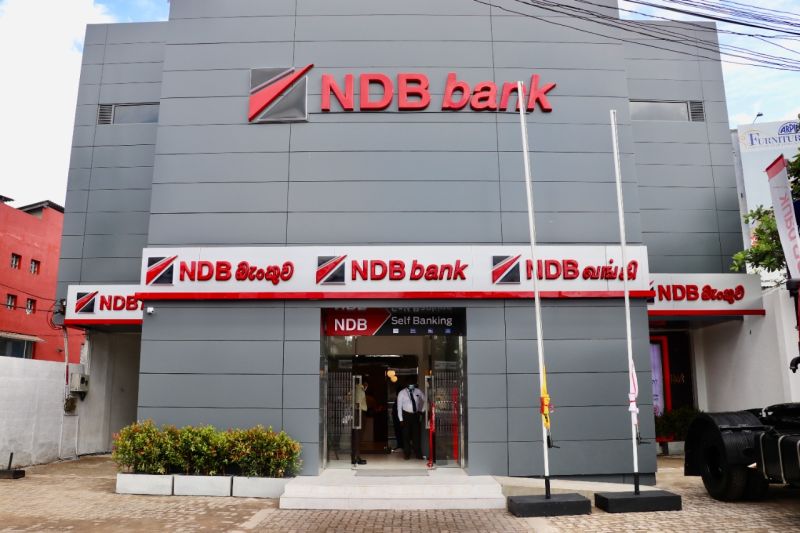
A major financial scandal at National Development Bank PLC has triggered calls for sweeping reforms and direct regulatory intervention, as authorities grapple with the fallout from a Rs. 13.2 billion internal fraud. The crisis has not only shaken depositor confidence but also raised broader concerns about governance standards within Sri Lanka’s banking system.
The Committee on Public Finance has taken a leading role in scrutinizing the issue, highlighting serious lapses in corporate governance and delayed disclosure of critical information. During recent parliamentary proceedings, chaired by Harsha de Silva, the committee emphasized that such failures are unacceptable, particularly in institutions entrusted with public funds.
The fraud itself reveals alarming operational weaknesses. Over a period exceeding 18 months, insiders allegedly manipulated CEFT transactions particularly during less-monitored weekend windows to execute unauthorized transfers. Despite clear warning signals, including abnormal spikes in receivables, management failed to act decisively.
The financial consequences have been substantial. The bank has absorbed the full loss, leading to a projected Rs. 4 billion loss in the first quarter of 2026 and a total net impact of approximately Rs. 7 billion. Although capital buffers remain above regulatory thresholds, the incident has strained the bank’s financial position and reputation.
In response, the Central Bank of Sri Lanka is under pressure to act decisively. One proposal gaining traction is the appointment of a seasoned banking professional to take temporary control of NDB’s management. This leadership change, expected to last at least three months, would focus on stabilizing the institution and implementing urgent corrective measures.
The proposed intervention aims to reinforce internal controls, address procedural gaps, and improve transparency. Strengthening operational discipline is seen as essential to restoring depositor trust, which has been shaken by the scale and duration of the fraud.
Simultaneously, law enforcement authorities are intensifying investigations. Multiple suspects are currently in remand custody, with allegations involving cryptocurrency transactions and coordinated internal collusion. The complexity of the scheme has underscored the need for more sophisticated monitoring systems within banks.
CBSL Governor Nandalal Weerasinghe has acknowledged the seriousness of the situation, confirming that a preliminary investigation is underway. The Central Bank is expected to report back to Parliament with detailed findings and recommendations.
Analysts argue that the NDB crisis is a wake-up call for the entire financial sector. It highlights the risks of complacency in governance and the need for continuous vigilance in regulatory oversight. The incident also raises questions about the effectiveness of existing supervisory frameworks.
As Sri Lanka navigates this challenge, the focus will be on restoring confidence and preventing recurrence. The success of the proposed intervention and the broader reform agenda will be crucial in safeguarding the integrity and stability of the country’s banking system.