
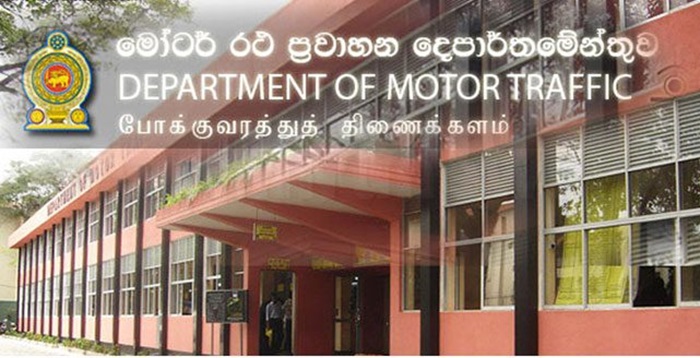
The prolonged failure to implement Sri Lanka’s e-Motoring system has triggered an intensifying debate over administrative accountability, procurement governance, and possible interference at multiple levels of the public sector.
Designed as a comprehensive digital platform to replace outdated manual vehicle registration processes, the system was expected to significantly reduce corruption risks, improve efficiency, and strengthen institutional transparency within the Department of Motor Traffic (DMT).
Despite being formally procured in 2018 following years of preparatory reform work initiated between 2009 and 2010, the project remains unimplemented.
This delay, now stretching into its eighth year post-award, has become a focal point of concern among oversight bodies and governance analysts who question how a fully funded and contracted national system could remain inactive for so long.
In parallel, law enforcement agencies have recently intensified investigations into alleged corruption linked to vehicle registration processes.
Arrests involving several current and former DMT officials, including a former senior administrator, have drawn attention to longstanding weaknesses in the existing system.
These developments have reinforced suspicions that the legacy manual framework, in place for more than three decades, has enabled opportunities for manipulation and irregular transactions.
However, attention is now shifting beyond individual misconduct toward systemic failure. Critics argue that arresting individuals alone does not address the structural deficiencies that allowed such practices to occur in the first place.
At the center of this argument is the stalled e-Motoring system, which was intended to eliminate precisely these vulnerabilities through automation and centralized digital controls.
Additional controversy emerged following a parliamentary oversight session on 4 March 2026, where senior officials reportedly claimed that the system remains operational and subject to ongoing updates.
These statements have been challenged by emerging claims that the system’s external software vendor discontinued support in late 2024, potentially leaving critical components outdated or unsupported. If accurate, this raises serious questions about both technical management and transparency in official reporting.
Allegations have also surfaced suggesting that bureaucratic actors, possibly in coordination with political interests, may have contributed to deliberate delays in the system’s deployment. While these claims remain unverified, they have intensified calls for an independent and comprehensive investigation into decision-making processes surrounding the project.
Key unresolved issues now dominate the discourse: whether the repeated delays were the result of negligence, intentional obstruction, or procurement mismanagement; whether false or misleading assurances were provided to Parliament and oversight committees; and where ultimate responsibility lies for the financial and operational costs incurred due to non-implementation.
In response to growing concerns, governance experts are calling for an urgent independent audit of the entire e-Motoring project. They emphasize that without transparent disclosure, accountability mechanisms, and immediate deployment of a secure digital vehicle registration system, public trust in major state digital transformation initiatives will continue to erode