
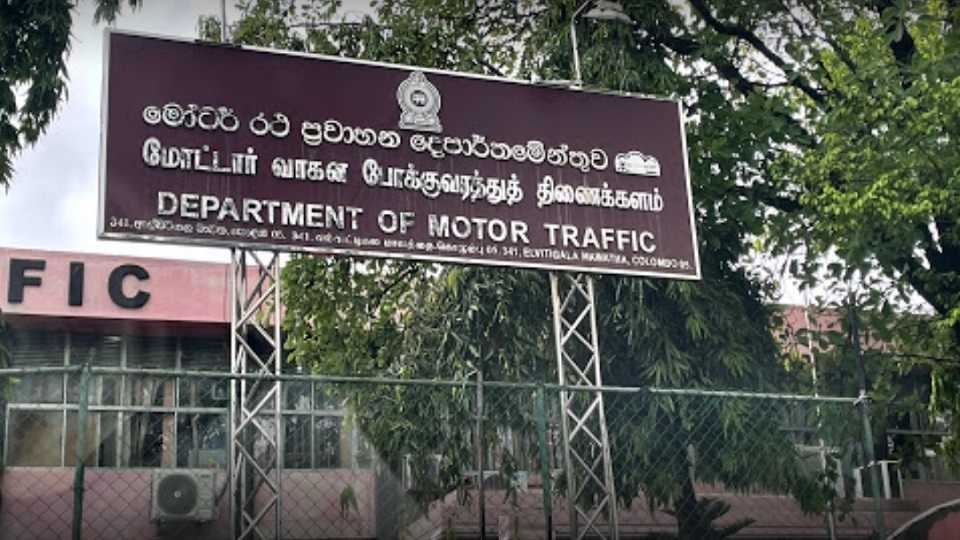
The government has accelerated plans for a sweeping digital transformation of the motor vehicle registration system, aiming to eliminate decades-old inefficiencies, reduce corruption, and modernize public service delivery. Officials confirm that the overhaul will automate first-time vehicle registrations and significantly reduce opportunities for manual interference.
The initiative comes at a critical time, as a growing number of vehicle owners report delays in obtaining Fuel Quota QR codes now an essential requirement for fuel access. Many new and transferred vehicle owners, despite completing registration formalities, remain unable to access the fuel allocation system due to technical mismatches between databases.
At the heart of the issue lies a lack of synchronisation between the fuel quota issuance platform and the Department of Motor Traffic’s (DMT) outdated registration database. The system currently in use dates back to 1996 and is no longer maintained by its original developers. Instead, it is managed internally by personnel lacking specialised technical expertise, leading to inefficiencies and data update delays.
These shortcomings were formally acknowledged by the Commissioner General during a recent parliamentary oversight committee meeting. The official highlighted how the obsolete system has become a bottleneck, directly affecting citizens who depend on timely digital verification for essential services.
The long-delayed e-Motoring project intended to replace the legacy system is now in a crucial transitional phase, with authorities setting a mandatory deadline for full implementation within the year.
However, the project’s history reveals years of setbacks. Between 2019 and 2020, progress stalled due to inadequate physical infrastructure to support private sector collaboration. Subsequent years saw legal disputes following the withdrawal of an international technology partner, resulting in contract renegotiations and pricing disagreements exacerbated by inflation.
Although the project was officially restarted in 2024 after revised cost proposals were submitted for approval, concerns remain about whether the system will be implemented effectively and on time.
Beyond technical inefficiencies, the issue raises broader questions about governance and accountability. Substantial fees collected from the public for vehicle-related services have not translated into meaningful improvements in infrastructure or service delivery. The absence of reinvestment has further compounded operational challenges.
As frustration grows among vehicle owners, the government’s push for digital reform is seen as both necessary and overdue. Experts warn that without swift and transparent implementation, the same systemic issues could persist under a new technological framework.
The success of this initiative will depend not only on modern software, but also on improved oversight, technical competence, and a commitment to restoring public trust in a system long plagued by inefficiency.