
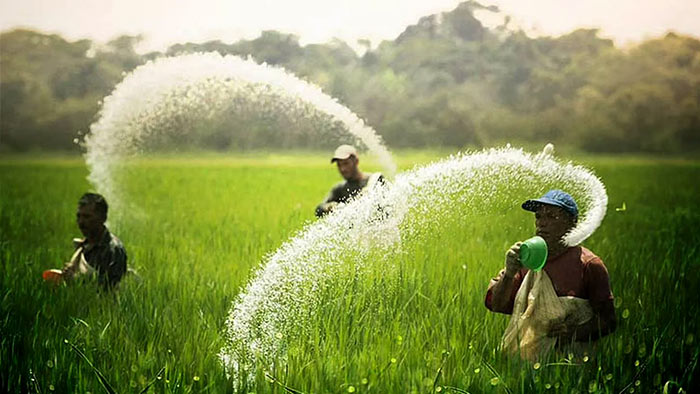
Sri Lanka’s plantation sector is once again facing a looming as global fertiliser supply disruptions triggered by escalating tensions in the Middle East begin to ripple through the local economy.
The Planters’ Association of Ceylon has raised alarm over soaring fertiliser prices and tightening supplies, warning that the situation could significantly undermine agricultural output and economic stability. At the heart of the disruption lies the closure of the Strait of Hormuz—a critical artery through which roughly one-third of global fertiliser raw materials are transported.
Shipping traffic through this strategic route has reportedly plunged by 90%, sending shockwaves across global supply chains. The situation is further compounded by the role of Iran, one of the world’s largest urea suppliers, whose exports have been affected by the regional instability.
For Sri Lanka, which depends heavily on imported fertiliser, the implications are immediate and severe. Plantation crops—tea, rubber, and coconut require consistent nutrient inputs, and any disruption during the next two to four months could directly impact annual yields. Industry analysts warn that reduced output may translate into lower export earnings, placing additional strain on the country’s already fragile Balance of Payments.
The Government has responded by increasing fertiliser subsidies to as much as Rs. 18,000 for additional crops, a move welcomed by industry stakeholders. However, the Association cautions that such measures may not fully offset the structural challenges posed by global shortages and rising costs.
The crisis also revives painful memories of the 2021 fertiliser ban, which devastated agricultural productivity and took years to recover from. Just as the sector was regaining stability, it now faces a new external shock—this time beyond domestic control.
According to insights linked to the Food and Agriculture Organization, the Gulf region accounts for up to 35% of global urea exports. Continued disruption could push fertiliser prices 15–20% higher in early 2026, with yield impacts extending into 2027.
Already, global urea prices have surged sharply, while major suppliers like China have restricted exports to secure domestic supply. Sri Lanka is now exploring alternative sourcing options, including negotiations with Russia and India, though these nations may prioritise their own food security needs.
At the ground level, Regional Plantation Companies and smallholders are bearing the brunt. Rising input costs, coupled with limited availability, are squeezing margins and threatening livelihoods.
In essence, this fertiliser crisis is not merely an agricultural issue it is an economic one. Without swift and effective mitigation, Sri Lanka risks a chain reaction impacting exports, inflation, and overall economic resilience.