
By: Staff Writer
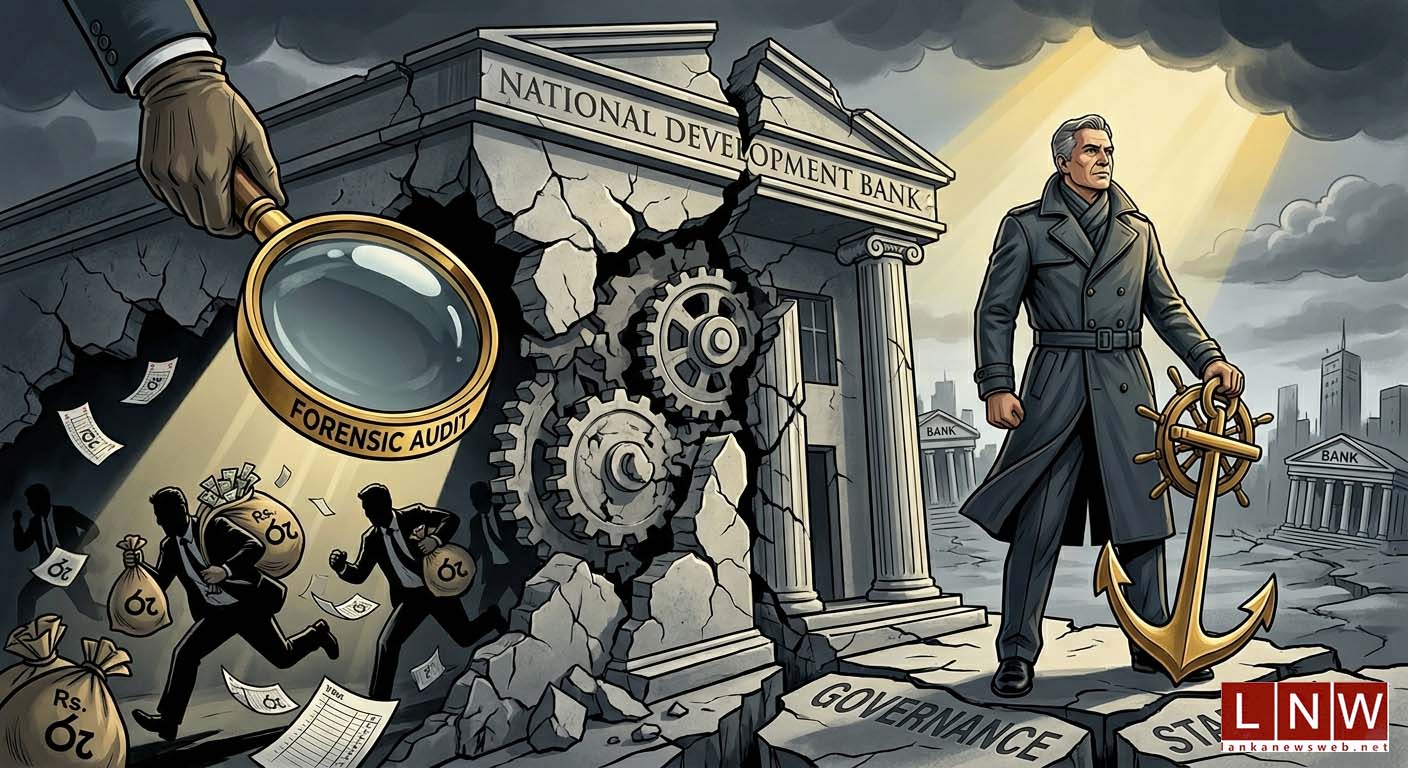
April 19, Colombo (LNW): Sri Lanka’s banking sector is facing renewed scrutiny following revelations of a large-scale internal fraud at National Development Bank (NDB), estimated at Rs. 13.2 billion. While the Central Bank of Sri Lanka (CBSL) has initiated steps toward a comprehensive forensic audit, concerns are mounting over the speed and effectiveness of the broader institutional response.
CBSL has confirmed that arrangements are being finalized for an internationally reputed audit firm to investigate the incident in depth. The probe will not only focus on the fraudulent transactions themselves but will also evaluate whether there were lapses in regulatory compliance, governance oversight, and internal control systems during the relevant period.
Although this forensic investigation is widely viewed as a necessary step toward accountability, financial sector observers and stakeholders have raised questions about the delay in implementing stronger interim corrective measures. Critics argue that while audits and internal reviews are underway, depositor confidence remains vulnerable in the absence of swift structural intervention.
At the center of these concerns is the perceived delay in entrusting key stabilizing functions to a highly competent authority with demonstrated expertise in both local and international banking systems. Such an intervention, they argue, could help restore public trust more quickly, strengthen governance discipline, and ensure tighter operational control during the investigation period.
CBSL has already directed NDB to reinforce its internal control environment and governance mechanisms, with emphasis on addressing identified weaknesses. The bank has also been instructed to commission an independent third-party review to assess the effectiveness of its existing systems and procedures.
Despite these directives, industry analysts note that rebuilding depositor confidence requires more than compliance adjustments. They stress that leadership credibility, experienced crisis management, and proven banking governance capabilities are essential during periods of institutional stress.
Meanwhile, CBSL has reiterated that NDB continues to meet all capital and liquidity requirements, and that there is no evidence of spillover losses affecting other financial institutions. Authorities have also cautioned against misinformation, urging the public to rely only on verified regulatory updates.
The Central Bank maintains that it is closely monitoring developments on a daily basis and remains prepared to take further action if required. However, the broader debate continues to grow around whether faster structural intervention and the appointment of a seasoned banking authority could have helped stabilize sentiment sooner and prevent reputational damage to the financial system.
As the forensic audit process moves forward, attention is now shifting toward not only uncovering what went wrong but also whether the response framework is strong enough to prevent similar failures in the future.