
By: Staff Writer
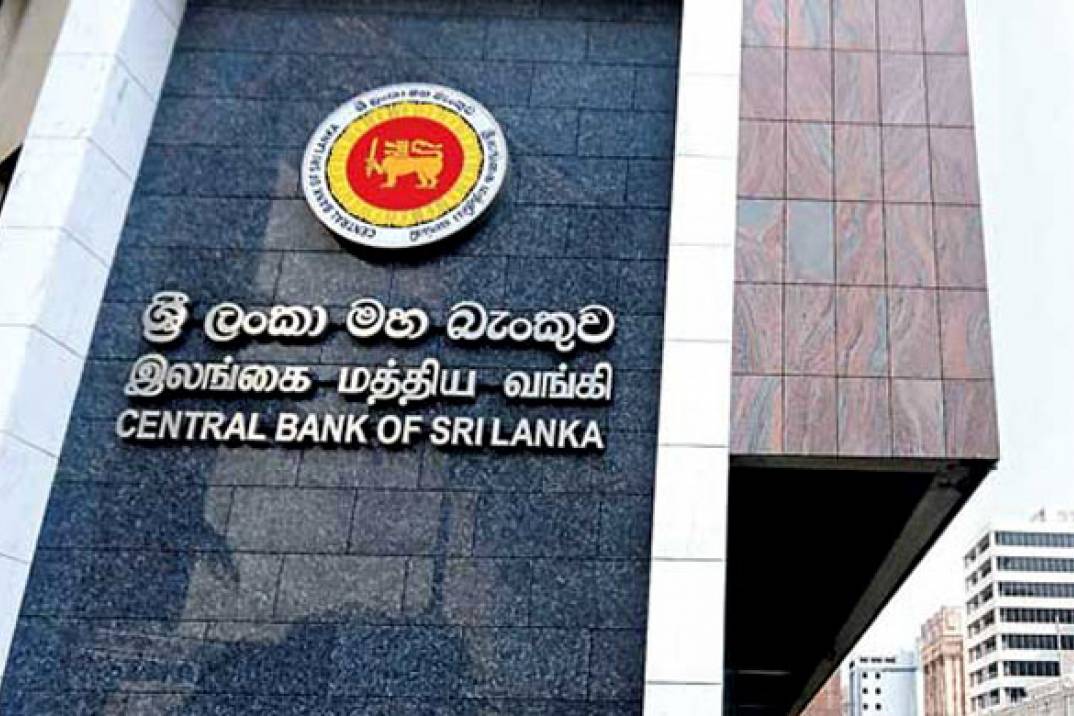
April 21, Colombo (LNW): Sri Lanka’s banking sector was jolted by the Rs. 13.2 billion internal fraud at National Development Bank PLC (NDB), prompting the Central Bank of Sri Lanka (CBSL) to issue its third official statement last Friday, seeking to calm public fears and reinforce systemic stability. The regulator emphasized that, despite the scale of the fraud, there is no evidence that other banks or financial institutions have been affected.
CBSL confirmed that a leading international audit firm, supported by overseas experts, will shortly begin a comprehensive forensic audit into the incident. This audit will not only investigate the mechanics of the fraud itself but will also scrutinize deeper systemic failures. According to the Central Bank, the review will “fully address and assess any failures on compliance with regulatory requirements on control, oversight, and governance” during the period when the fraudulent transactions occurred.
The audit’s findings both interim and final will be reported directly to the CBSL, which will maintain active engagement with auditors throughout the process. This signals an unusually hands-on regulatory approach aimed at ensuring transparency and accountability at every stage.
Parallel to the forensic investigation, the CBSL has directed NDB to urgently strengthen its internal controls and governance structures. The bank is also required to commission an independent third-party review of its policies, procedures, systems, and risk controls to identify and close loopholes that enabled the fraud.
Despite the crisis, CBSL reiterated that NDB continues to meet all regulatory capital and liquidity requirements. As a further safeguard, the Central Bank has publicly committed to providing emergency liquidity support if necessary, ensuring the bank can meet any surge in withdrawal demands. Additionally, the suspension of dividends has been highlighted as a measure to preserve capital and maintain regulatory buffers.
The fraud itself has raised serious concerns about governance failures within NDB. Financial disclosures show that “Other Financial Assets Gross” surged to Rs. 12.22 billion in 2025, nearly four times the previous year’s figure and far above historical norms. Allegations suggest that an insider exploited the Common Electronic Fund Transfer (CEFT) system to siphon funds, bypassing internal red-flag mechanisms.
Governance activists argue that this reflects a breakdown across multiple layers of oversight, including internal audit, finance functions, senior management, and board-level risk and audit committees. These failures are now central to the ongoing investigations.
CBSL continues to monitor developments on a daily basis while maintaining close engagement with NDB’s board, management, and other stakeholders. The regulator has also urged the public not to be misled by speculation or misinformation circulating in various forums.
While the fraud represents approximately 1.3% of NDB’s total assets, authorities stress that the bank remains operational and stable. However, the coming weeks will be critical as forensic audits commence and structural reforms begin to take shape, determining whether confidence in one of Sri Lanka’s key financial institutions can be fully restored.