
Sri Lanka’s push for renewable energy has turned the spotlight on Mannar District, a region globally recognised for its ecological richness. But what is being promoted as green development is increasingly criticised as poorly planned expansion that risks irreversible environmental damage, particularly to one of the world’s most significant migratory bird corridors.
At the centre of the controversy lies the Vankalai Sanctuary, a Ramsar-listed wetland that supports over 20,000 waterbirds annually. The sanctuary, part of a major migratory flyway, hosts species ranging from flamingos and pelicans to rare shorebirds. Its wetlands, lagoons, and marine ecosystems also sustain fish populations, turtles, and endangered species such as dugongs. For decades, this delicate ecosystem coexisted with local communities, supporting both livelihoods and eco-tourism.
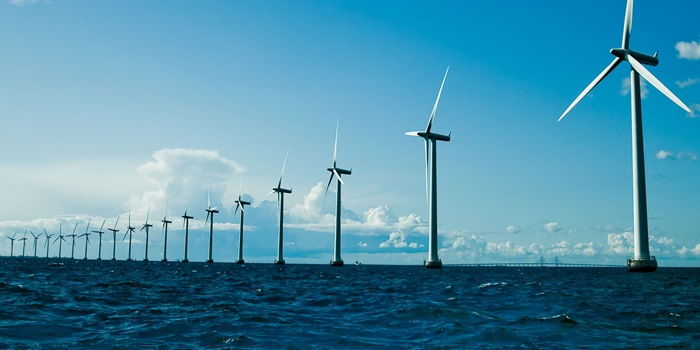
However, the arrival of large-scale wind power projects has dramatically altered this balance. The Thambapanni Phase 1 project, launched in 2018 with 30 turbines, marked the beginning of this transformation. Since then, concerns have mounted over bird deaths linked to overhead transmission lines that cut across critical habitats. Environmentalists argue that these installations have effectively turned parts of Mannar into a “death zone” for migratory species.
Criticism has focused heavily on the planning process. Experts allege that early decisions were based on outdated, broad-scale wind mapping studies that failed to account for ecological and social realities on the ground. Environmental Impact Assessments (EIAs), which are meant to safeguard such sensitive areas, have been described as inadequate or improperly conducted. In some cases, recommendations such as placing transmission lines underground to protect birdlife were reportedly ignored.
The scale of proposed expansion has intensified fears. Additional wind projects, including large multi-turbine developments, threaten to further fragment habitats and obstruct migratory pathways. Scientists warn that even if individual projects appear manageable, their cumulative impact could be devastating. Each new installation adds infrastructure, access roads, and human activity, compounding stress on an already fragile ecosystem.
Beyond wildlife, there are concerns about broader environmental consequences. Mannar’s groundwater systems are highly sensitive, and increased construction could disrupt water availability for local communities. The region’s cultural and historical significance often overlooked in development plans adds another layer of complexity to the debate.
Proponents of wind energy argue that Sri Lanka needs to expand renewable capacity to reduce reliance on fossil fuels. However, critics counter that alternative locations with lower ecological risk exist and should be prioritised. They also point out that Mannar accounts for only a fraction of the country’s total wind potential, raising questions about why such a sensitive area is being heavily targeted.
Legal challenges and public opposition have already forced some projects to be reconsidered or withdrawn. Yet, the broader issue remains unresolved: how to balance urgent energy needs with environmental protection.
Mannar stands at a crossroads. Without more rigorous planning, transparent decision-making, and genuine consideration of ecological limits, the district risks losing not only its biodiversity but also the natural heritage that makes it unique.