
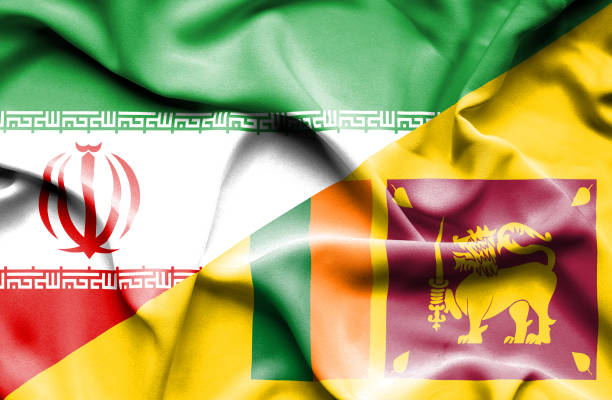
Sri Lanka’s growing engagement with Iran under the National People’s Power government is delivering tangible economic and strategic benefits—but it also exposes the island nation to rising geopolitical and financial risks, particularly in relation to the United States.
At the center of this relationship is a mix of humanitarian cooperation and economic necessity. Iran has positioned itself as a key partner in helping Sri Lanka manage its lingering energy crisis, offering oil supplies and technical expertise at a time when global supply chains are under strain due to conflict in the Middle East. For a country heavily dependent on imports, such support is difficult to ignore.
One of the most visible symbols of this partnership is the Uma Oya Multipurpose Development Project, a $500 million-plus initiative that now contributes 120 MW of electricity to the national grid while supporting irrigation. The project reflects Iran’s long-term investment in Sri Lanka’s infrastructure and underscores the depth of bilateral ties beyond short-term diplomacy.
Trade relations, however, present a more mixed picture. Sri Lanka’s exports to Iran dominated by Ceylon Tea have shown modest recovery, reaching around $76.7 million in 2025. Imports from Iran remain significantly lower, constrained by sanctions and banking restrictions. This imbalance highlights the structural limitations of the relationship, even as both countries seek to expand economic cooperation.
The nearly completed “tea-for-oil” barter arrangement further illustrates both innovation and constraint. Initiated to settle a $251 million oil debt, the deal allowed Sri Lanka to repay Iran through monthly tea shipments. With over 95% of the debt now cleared, the program is winding down, leaving questions about what will replace it in an increasingly complex sanctions environment.
Geopolitically, the risks are mounting. The United States and its allies continue to monitor countries maintaining ties with Iran, with discussions of potential trade penalties or tariffs. While Sri Lanka’s exposure remains relatively small, any escalation could impact its export-driven sectors, particularly tea.
Shipping disruptions linked to tensions in the Strait of Hormuz are another concern. Rising freight and insurance costs are already squeezing profit margins for exporters, threatening one of Sri Lanka’s most vital industries.
Despite these challenges, the government has maintained a firm stance on neutrality. Foreign Minister Vijitha Herath has emphasized that Sri Lanka’s actions—such as assisting Iranian naval personnel—are rooted in humanitarian principles rather than political alignment. His engagement with Abbas Araghchi reflects ongoing diplomatic dialogue aimed at preserving this balance.
For Sri Lanka, the relationship with Iran is neither purely strategic nor purely economic it is a necessity shaped by circumstance. The benefits are clear: energy support, infrastructure development, and a reliable export market. But the risks are equally evident, from sanctions exposure to geopolitical entanglement.
As global tensions intensify, Sri Lanka’s ability to navigate this partnership without compromising its broader international relationships will be critical. The path forward demands careful calibration, where every economic gain must be weighed against its potential geopolitical cost.