By: Staff Writer
May 10, Colombo (LNW): Sri Lanka’s tourism industry is entering a new phase of transformation as leading sector stakeholders increasingly focus on developing skilled professionals capable of delivering world-class visitor experiences rather than relying solely on the country’s natural attractions.
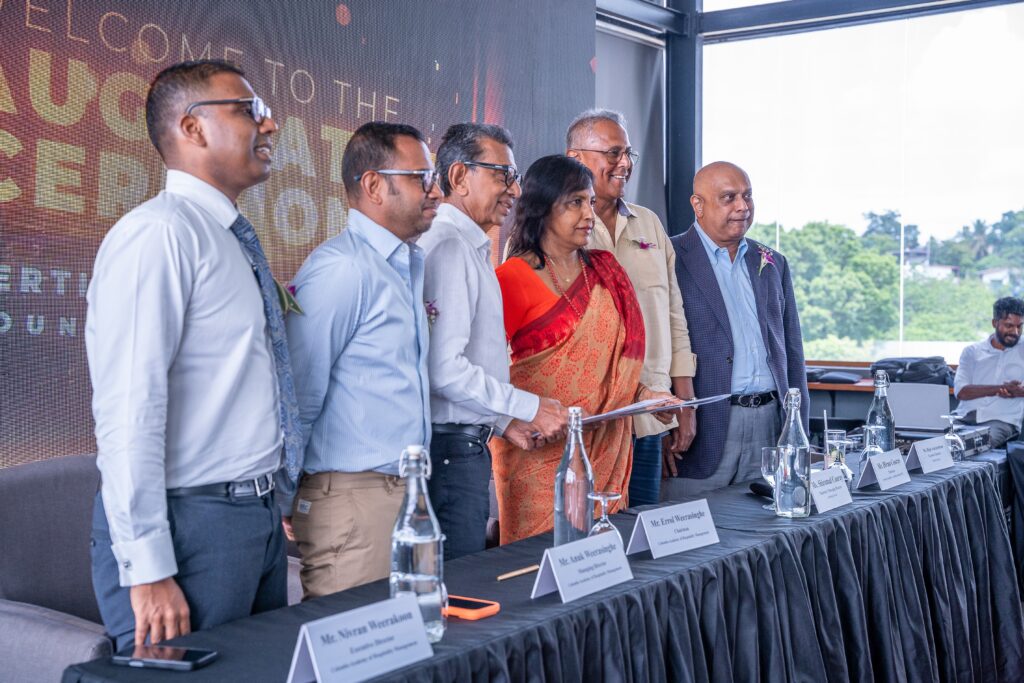
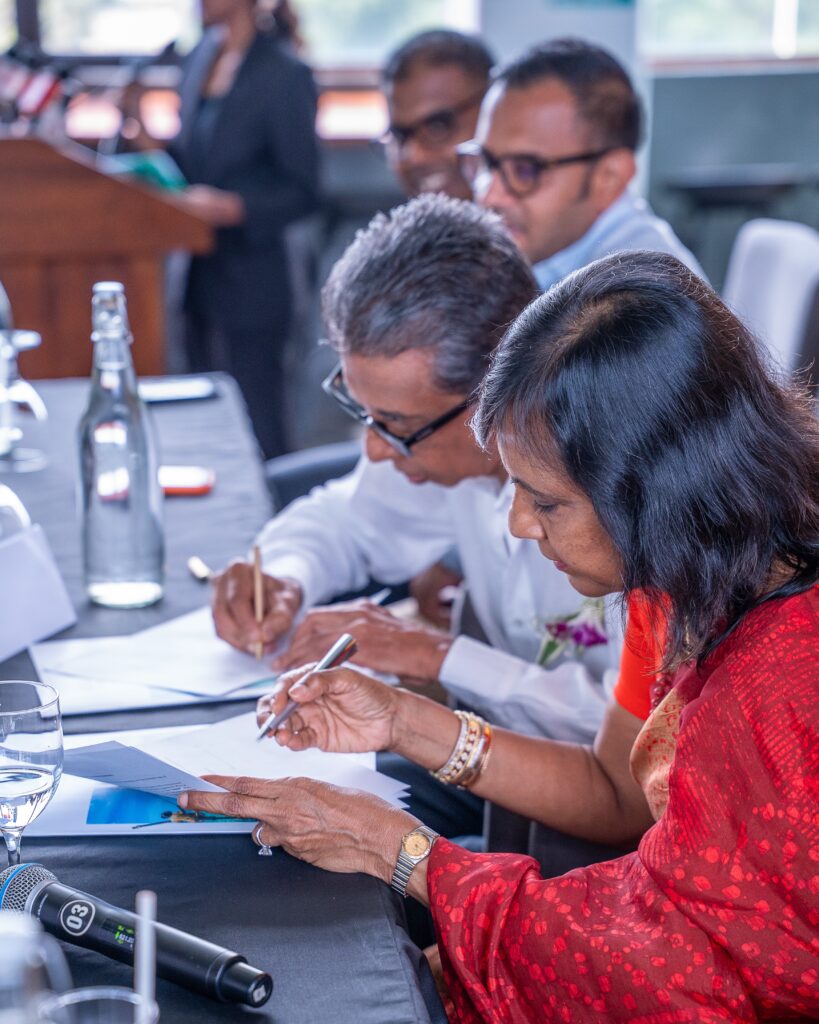
This renewed emphasis on human capital development was highlighted this week with the launch of the “Certificate Course in Inbound Travel and Tourism,” a collaborative initiative between Jetwing Travels and Colombo Academy of Hospitality Management (CAHM), operating under Australia’s William Angliss Institute.
The four-week programme, which commenced in Colombo on May 7, aims to equip tourism professionals with practical and modern industry knowledge at a time when global tourism trends are rapidly evolving and competition among destinations continues to intensify.
The course brings together selected associates from Jetwing Travels and CAHM students in a blended learning environment combining classroom-based theory with hands-on industry exposure.
Participants will receive training in a wide range of tourism disciplines including eco and wildlife tourism, experiential tourism, adventure tourism, MICE tourism, sustainability, and digital marketing all areas increasingly viewed as critical for maintaining Sri Lanka’s competitiveness in the global tourism market.
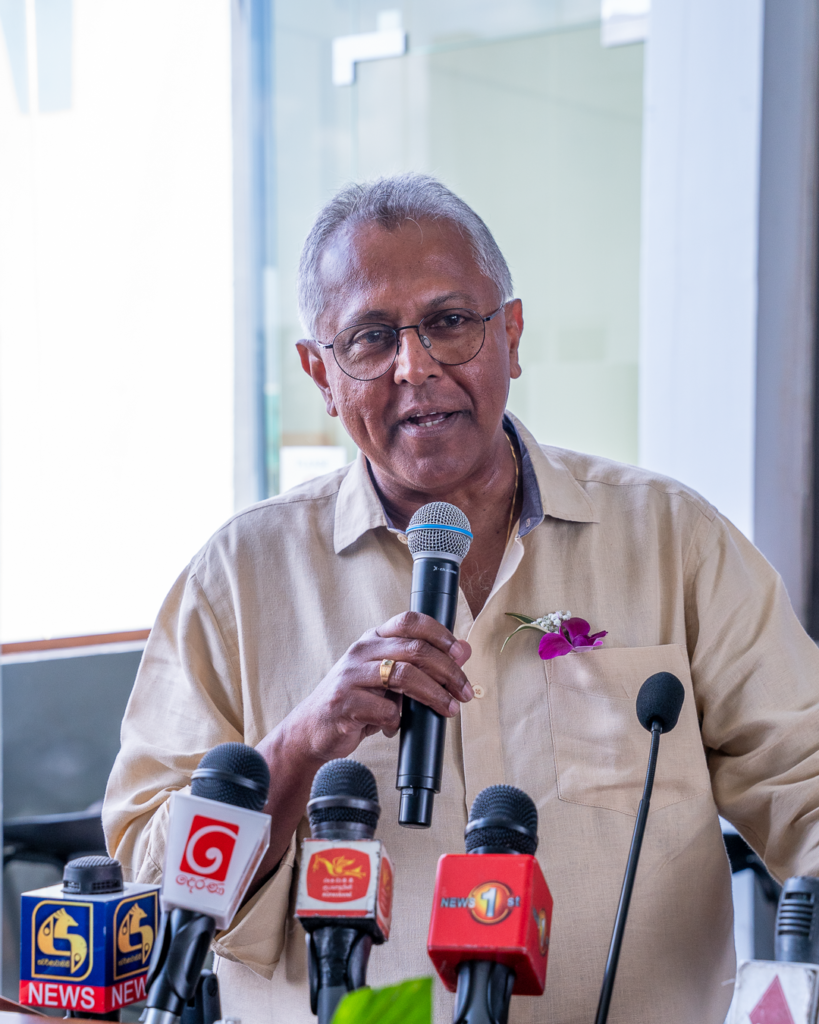
Speaking at the opening ceremony, Hiran Cooray, Chairman of Jetwing Symphony PLC, stressed that Sri Lanka could no longer rely purely on its natural advantages to attract visitors.
“Tourism has always been one of the natural strengths of Sri Lanka,” Cooray said. “But advantage alone is never permanent. Industries remain competitive only when they continue to invest in knowledge, capability and standards. What we are building through this programme is not simply training, it is a stronger foundation for the industry itself.”
Industry analysts note that Sri Lanka’s tourism sector is increasingly being shaped by changing traveler expectations, particularly in areas such as sustainability, authentic experiences, and digital engagement.
Recognizing these trends, the programme places significant emphasis on digital marketing and destination storytelling, areas now considered essential for attracting international travelers in an increasingly online-driven marketplace.
Sustainability also forms a core component of the curriculum as the tourism industry worldwide adapts to growing environmental and social concerns among travelers.
Shiromal Cooray, Chairperson and Managing Director of Jetwing Travels, described the initiative as a long-term investment in the future of Sri Lanka’s tourism industry.
“The future of tourism industry is not only about destinations but more importantly about the people who represent,” she stated during the launch event.
Unlike conventional classroom-based programmes, the course will be delivered largely by active tourism industry professionals, allowing participants to gain firsthand exposure to the realities of destination management and evolving international tourism demands.
Organizers also announced plans to make the programme an annual initiative with participants selected through a merit-based process evaluating communication skills, professionalism, analytical thinking, and long-term career potential.
Tourism industry observers say the initiative reflects a broader shift within Sri Lanka’s tourism sector toward building a resilient and future-ready workforce capable of sustaining the country’s position in the highly competitive global travel industry.