
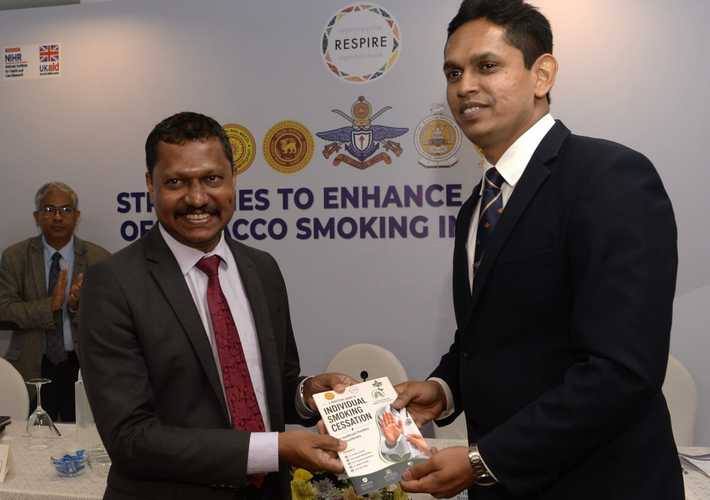
May 17, Colombo (LNW): A broad coalition of universities, medical experts, policymakers and international health organisations has stepped up efforts to curb smoking and tobacco use in Sri Lanka amid growing concern over the long-term health and economic consequences of tobacco addiction.
The initiative was highlighted during a special discussion and media briefing held in Colombo under the patronage of Deputy Health Minister Hansaka Wijemuni, where stakeholders explored new strategies aimed at strengthening smoking cessation programmes and public awareness campaigns across the country.
The event was organised as part of the global health initiative Respire and brought together representatives from several leading higher education institutions, including University of Sri Jayewardenepura, University of Peradeniya, University of Jaffna, Wayamba University of Sri Lanka and General Sir John Kotelawala Defence University.
Addressing the gathering, Hansaka Wijemuni emphasised that reducing tobacco consumption was not solely a public health challenge but also a critical national development issue. He warned that smoking-related diseases continue to place immense pressure on Sri Lanka’s healthcare system while also affecting productivity, household incomes and the broader economy.
Health professionals attending the forum stressed the importance of adopting evidence-based approaches to help smokers quit, including counselling services, behavioural support programmes and stronger community-level interventions. Experts also called for tighter tobacco control regulations, increased awareness among young people and stronger enforcement against illicit tobacco products entering the market.
Participants highlighted the growing concern over the rise of smoking among younger age groups and the influence of social media and marketing tactics that normalise tobacco use. Several speakers noted that prevention programmes targeting schools and universities would be essential in reducing future addiction rates.
The discussion concluded with renewed calls for closer cooperation between government agencies, educational institutions and international health partners to create long-term policies aimed at protecting future generations from the harmful effects of smoking and nicotine dependence.