
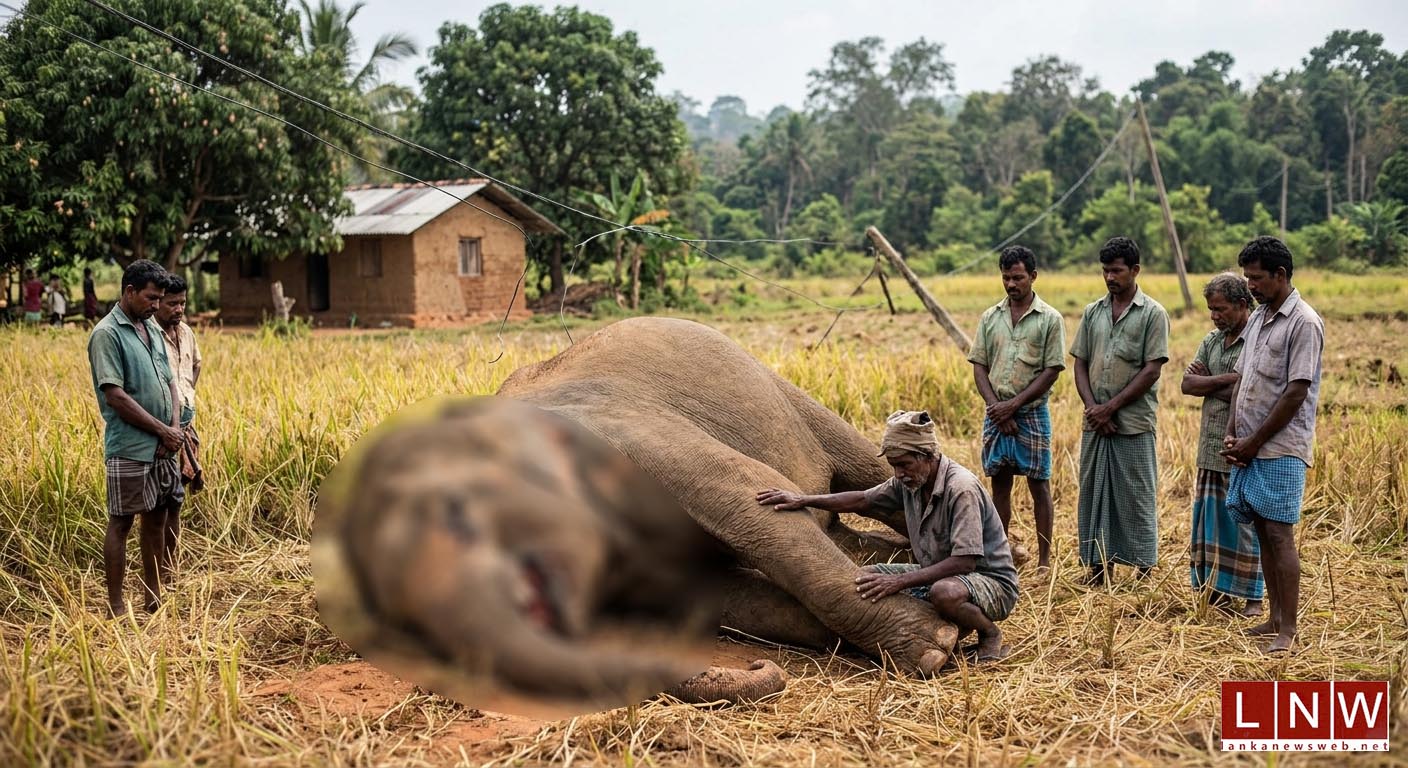
May 21, Colombo (LNW): Sri Lanka has recorded a sharp rise in wild elephant deaths during the first few months of the year, renewing concern among conservationists and wildlife officials over the worsening human-elephant conflict across several regions of the country.
According to figures released by the Department of Wildlife Conservation, 128 wild elephants have died between 1 January and 15 May this year under a range of tragic circumstances linked to human activity and environmental hazards.
Authorities revealed that shootings accounted for a significant number of deaths, with 20 elephants reportedly killed in firearm-related incidents. Another 15 elephants died from electrocution, while 10 succumbed after consuming explosive-laced food devices commonly known as “hakka patas”, which are often illegally used to deter wild animals from farmland.
In addition, five elephants were reported to have died after falling into unsecured agricultural wells, highlighting ongoing concerns about inadequate safety measures in rural farming areas.
Wildlife officials also noted that several other elephant deaths resulted from poisoning, train collisions, drowning incidents and various accidental injuries. Conservation groups have repeatedly warned that shrinking forest habitats and increasing human encroachment are intensifying encounters between elephants and nearby communities.
The Eastern Province has recorded the highest number of elephant fatalities so far this year, although significant numbers have also been reported from the Polonnaruwa and Anuradhapura wildlife zones, which remain key hotspots for human-elephant conflict.
Meanwhile, the Department confirmed that elephant attacks have claimed the lives of 35 people during the same period, underlining the continuing danger faced by both wildlife and rural residents living near forest boundaries.
Environmental activists have urged authorities to accelerate long-term mitigation efforts, including the construction of safer elephant corridors, improved fencing systems and stronger enforcement against illegal hunting practices, warning that the conflict could worsen further without immediate intervention.