
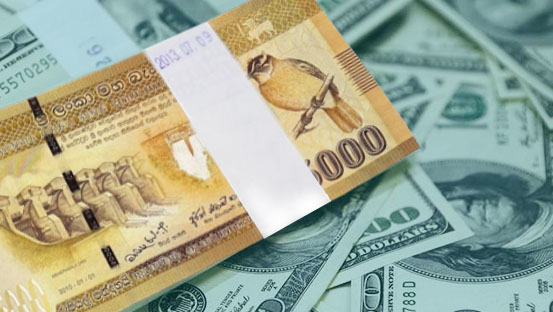
May 24, Colombo (LNW): Sri Lanka’s currency staged a strong recovery on Friday, breaking a nine-day downward run and emerging as the top-performing currency in Asia for the day, in a surprise reversal that caught some market participants off guard.
The rupee appreciated by as much as 2.7 per cent, marking its steepest single-day gain since March 2023. The rebound followed a weak spell that had dragged the currency to its lowest level in several years earlier in the week, before sentiment shifted abruptly in the foreign exchange market.
Officials attributed the turnaround partly to strategic dollar selling by market participants ahead of expected foreign inflows from multilateral partners, including the International Monetary Fund and the Asian Development Bank. A senior finance official noted in Colombo that anticipation of these inflows appeared to have influenced short-term trading behaviour.
Market observers said the currency movement also came amid broader efforts by the authorities to stabilise external accounts, including recent policy steps such as additional surcharges on vehicle imports and continued central bank involvement in smoothing excessive volatility in the foreign exchange market.
Despite Friday’s gains, the rupee remains under pressure in the wider Asian context, having been among the region’s weakest performers this year. Analysts point to sustained import demand, delayed export conversions, and global commodity price shocks as key factors weighing on the currency in recent months.
Some economists argue that uncertainty over external payments and shifting trade dynamics has encouraged importers to accelerate dollar purchases while exporters hold back foreign earnings, further intensifying short-term strain on the currency.
The central bank is expected to announce its latest monetary policy decision on May 26, with many market analysts anticipating a possible tightening stance. Economists suggest that higher interest rates, combined with anticipated external inflows and tighter macroeconomic management, could help stabilise the rupee over the medium term.
Commenting on the outlook, one senior economist noted that sustained stability would depend on coordinated policy action, including improved export repatriation, tighter import management, and consistent monetary discipline to reduce foreign exchange leakages and restore market confidence.