
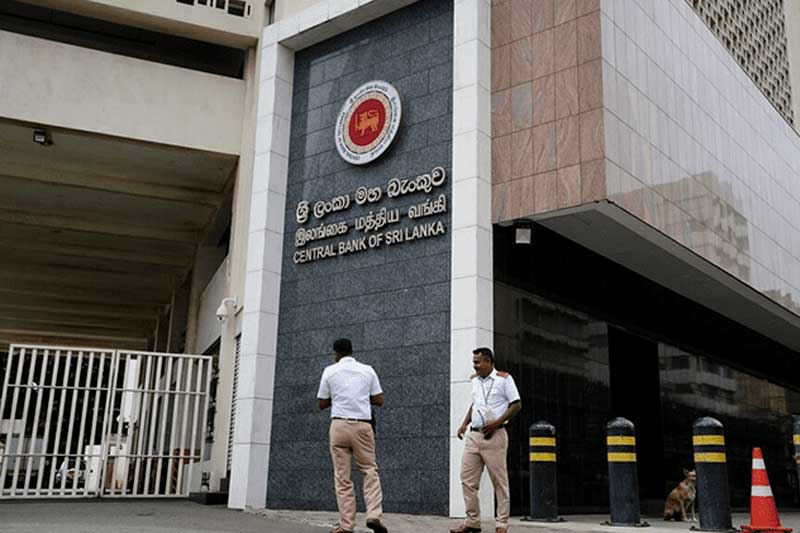
Sri Lanka’s Central Bank has launched a strong public warning against what it described as misleading narratives surrounding money printing, exchange rate management, and monetary policy, amid growing public concern over the recent depreciation of the rupee.
In a sharply worded advisory posted on social media under the headline “Do Not Be Deceived!”, the Central Bank of Sri Lanka (CBSL) cautioned citizens against relying on simplified explanations circulating online regarding currency issuance and exchange rate determination.
The CBSL stressed that money supply management and foreign exchange operations involve highly technical economic mechanisms that require specialised expertise to properly interpret. Officials argued that inaccurate commentary could fuel unnecessary panic at a time when financial markets are already under pressure from global instability.
The warning follows a turbulent period for Sri Lanka’s currency market, with the rupee suffering a rapid depreciation in recent weeks due to external shocks linked to escalating Middle East tensions, rising oil prices, and increased domestic demand for US dollars.
CBSL data showed the rupee’s year-to-date depreciation accelerating from 4.5% by 15 May to 7.2% by 22 May, marking its steepest decline this year. Market anxiety intensified as fears grew over the impact of higher global energy prices and potential disruptions to foreign exchange inflows.
Currency dealers said panic buying further worsened pressure on the rupee. Importers reportedly rushed to open Letters of Credit and secure foreign currency in anticipation of further depreciation, while exporters delayed converting export proceeds, expecting the exchange rate to weaken further.
These actions significantly tightened dollar liquidity in the domestic market, amplifying volatility and creating conditions for speculative behaviour.
However, by Friday, market conditions began to stabilise after the CBSL intervened informally through moral suasion, urging banks and market participants to avoid panic-driven transactions. Dealers said the intervention helped restore confidence and reverse speculative pressure, allowing the rupee to recover sharply.
Remarkably, the rupee subsequently emerged as Asia’s best-performing currency over the latest trading sessions following its rapid rebound.
Analysts note that while domestic speculation contributed to the recent instability, the underlying pressures remain largely external. Global investors continue shifting funds toward safer assets amid uncertainty surrounding war risks, inflation, and the possibility of higher US interest rates.
The CBSL’s latest advisory appears aimed not only at calming markets but also at preserving public trust in monetary policy during a period of heightened economic sensitivity.
Financial analysts say the episode highlights how quickly sentiment-driven market behaviour can destabilise smaller economies vulnerable to external shocks. They also warn that misinformation surrounding monetary policy can deepen volatility if left unchecked.
Although the rupee has regained ground in recent days, economists caution that Sri Lanka’s exchange rate outlook will remain closely tied to developments in global energy markets, geopolitical tensions, and investor confidence in emerging economies.