
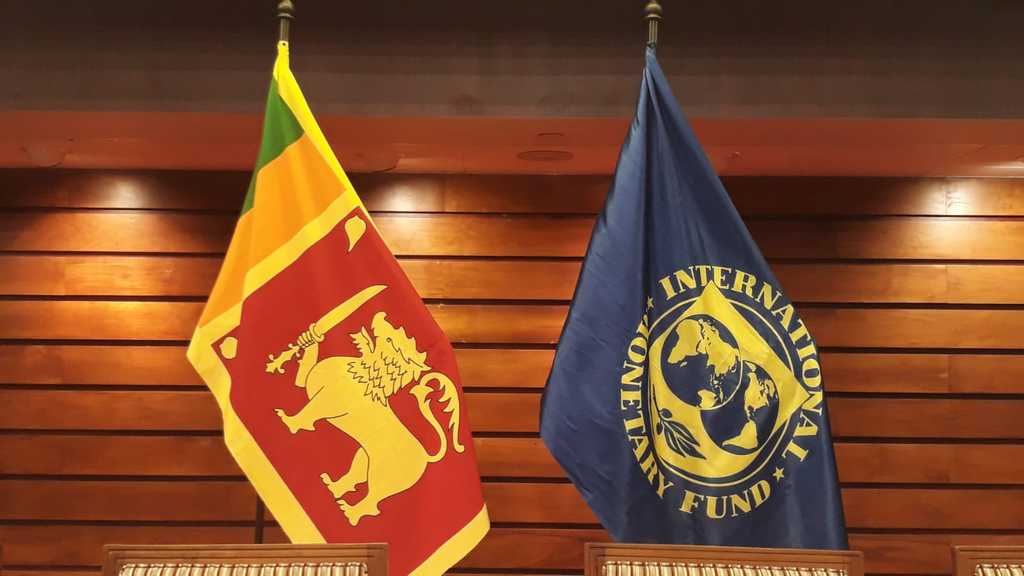
May 28, Colombo (LNW): Sri Lanka has secured a further financial lifeline from the International Monetary Fund after the organisation approved the latest reviews of the country’s ongoing economic reform programme, unlocking immediate access to approximately US$695 million in funding.
The IMF Executive Board announced the completion of the combined fifth and sixth assessments under Sri Lanka’s 48-month Extended Fund Facility arrangement, allowing the country to draw Special Drawing Rights worth SDR508 million. With the latest disbursement, total funding received by Sri Lanka under the programme has now risen to around US$2.4 billion.
The Extended Fund Facility, initially approved in March 2023, was designed to support Sri Lanka’s recovery from its worst economic crisis in decades. The programme focuses on restoring fiscal discipline, stabilising inflation, rebuilding foreign reserves, strengthening governance and introducing long-term structural reforms aimed at reviving investor confidence and economic growth.
In remarks issued following the board meeting, IMF Deputy Managing Director and Acting Chair Kenji Okamura said Sri Lanka had continued to implement reforms effectively despite facing major external challenges. He noted that recent economic gains had helped cushion the impact of Cyclone Ditwah as well as instability arising from the conflict in the Middle East.
However, the IMF cautioned that the global situation has created fresh risks for the island nation’s recovery. Economic growth for 2026 is now projected to moderate to around three per cent, with rising oil prices expected to place pressure on inflation and external accounts. Tourism earnings, one of Sri Lanka’s key sources of foreign income, could also face setbacks amid continuing international uncertainty.
The IMF acknowledged the government’s decision to introduce temporary relief measures and increase spending for disaster recovery efforts following the cyclone, describing the short-term fiscal easing as appropriate under the circumstances. At the same time, authorities were urged to return to stricter fiscal targets from 2027 onwards to maintain debt sustainability.
The statement further noted that while overall programme performance remains positive, several critical reforms still require acceleration. These include improvements to public financial management, reforms within the electricity sector and stronger strategies for revenue collection through a more efficient and growth-oriented tax system.
The IMF also highlighted that although Sri Lanka’s debt restructuring process is nearing completion, risks surrounding long-term debt sustainability remain elevated. It stressed the importance of maintaining price stability through careful monetary policy while allowing greater flexibility in the exchange rate to strengthen foreign reserves and improve economic resilience.
According to the IMF, sustained structural reforms, alongside renewed investment in public infrastructure, will be essential to improving the country’s business environment and unlocking stronger long-term growth prospects.