
Roger Srivasan
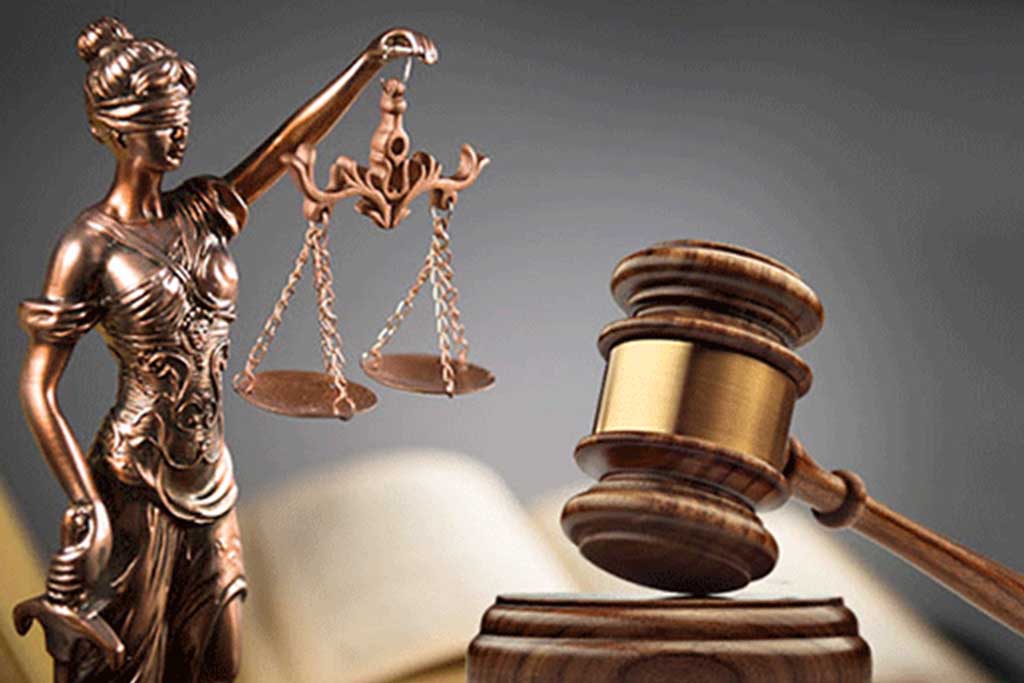
Justice must be administered impartially and without favour, firmly rooted in the sacrosanct principle of innocent until proven guilty. The law derives its legitimacy not from the status, wealth, influence, or religious standing of those who stand before it, but from its equal application to all.
It is therefore understandable that the President’s recent proposal to establish an alternative judicial pathway for religious dignitaries has generated considerable public debate. Many law-abiding citizens have expressed concern that such a measure could create the perception of a two-tier system of justice within a unitary state—one for ordinary citizens and another for those occupying positions of religious authority.
The timing of this proposal is particularly unfortunate. Public confidence in institutions has already been tested by a succession of controversies, allegations, and scandals that have dominated public discourse. Fairly or unfairly, sections of the clergy have found themselves subjected to heightened scrutiny, while calls for greater accountability have grown louder. At such a moment, the public is unlikely to be reassured by arrangements that appear to confer special treatment upon any group.
The issue is not whether religious leaders deserve respect. They unquestionably do. Religious institutions play a vital role in the moral and spiritual life of the nation. However, respect for religious office cannot and must not translate into legal privilege. The robe, the cassock, the turban, or any other religious vestment should neither diminish nor enhance one’s obligations before the law.
A mature democracy is measured by its willingness to uphold equal justice even when doing so is uncomfortable. Once exceptions are carved out for particular groups, however well-intentioned, the principle of equality before the law begins to erode. What starts as a seemingly modest concession may become a slippery slope, inviting demands for further exemptions and creating uncertainty about where the boundaries should lie.
The answer is not to construct parallel avenues of justice, but to strengthen public confidence in the existing system by ensuring that investigations are conducted professionally, prosecutions are undertaken fairly, and verdicts are reached without fear or favour. The law should protect the innocent, punish the guilty, and remain blind to rank, influence, and religious standing.
My message to all religious leaders is simple: public office, public influence, and public reverence inevitably bring public scrutiny. If one cannot withstand that scrutiny, one should not seek the privileges and responsibilities that accompany positions of trust. To borrow a familiar expression: if you cannot stand the heat, keep out of the kitchen.
A nation is not led into prosperity by hollow declarations, but by the unwavering application of one law for all and special favours for none.