
By Adolf
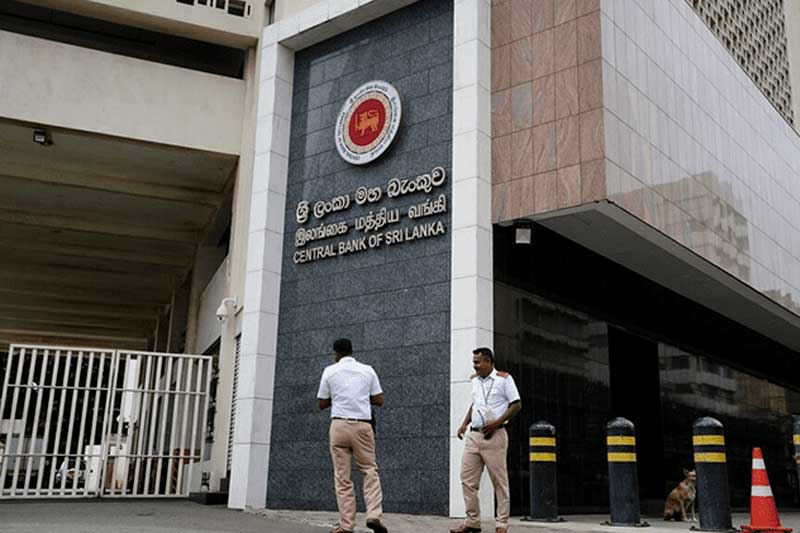
A shocking double standard has emerged in Sri Lanka’s financial oversight, raising urgent questions about the Central Bank of Sri Lanka’s (CBSL) regulatory integrity. When the Nations Trust Bank (NTB) suffered a treasury Forex loss of Rs. 800 million, the CBSL was swift and decisive. It immediately stepped in, directing the bank to remove Dilshan Weerasekara and Iftikar Ahamed from their positions. Yet, months after the staggering Rs. 13.2 billion fraud at the National Development Bank (NDB) was uncovered, the CBSL has remained largely silent. Not a single senior figure—director, top executive, external auditor, or CBSL supervisor—has faced any real action.
A Tale of Two Scandals
The discrepancy in responses could not be starker. The NTB case, smaller in scale, prompted immediate and forceful regulatory intervention. The NDB fraud, however, represents a systemic failure of epic proportions. A person responsible for the smaller incident has remained in high office. Dilshan Weerasekara, once removed from NTB, later served as the Chairman of the Colombo Stock Exchange (CSE) and is CEO of First Capital owned by the Schaffter Family . The family lost a son in a murder in 2023 which was never resolved . Similarly, Iftikar Ahamed is now the Managing Director of Softlogic Life Insurance PLC.
In stark contrast, the board that presided over the Rs. 13.2 billion collapse at NDB—including figures like Kasturi Chellaraja, Sujeewa Mudalige, and Hasitha Premaratne—remains largely intact. Calls for their resignation have intensified, but the CBSL has yet to act.
A Breakdown in Governance
The fraud was not a subtle, one-time glitch. The bank’s audited 2025 accounts show a suspicious surge in receivables linked to these transactions, jumping to Rs. 12.2 billion from just Rs. 3.1 billion the previous year. Any functioning internal audit committee should have flagged this immediately, yet the warnings went unheeded, leaving the public to ask: where were the internal and external auditors, the board risk committees, and the CBSL’s supervisory department?
Even more alarming is the revelation that other banks such as Seylan and HNB did not report suspicious transactions to the CBSL’s Financial Intelligence Unit before the fraud was publicly disclosed. The CBSL’s apparent inaction on these early warnings is a glaring indictment of its supervisory framework.
Accountability in Name Only
Instead of decisive action, the CBSL has offered a weak defence. Governor Dr. Nandalal Weerasinghe has argued that the CBSL does not monitor individual transactions, stating that such oversight “is not the business of the CBSL”. This is a troubling attempt to distance the regulator from a scandal that occurred directly under its watch. The CBSL’s primary defence that the fraud was an internal matter and that public deposits are safe is a dangerously narrow view of its mandate.
As the country waits for a promised forensic audit, the message is clear: Accountability in Sri Lanka is a revolving door for the well-connected, but a cage only for the less influential. If the CBSL does not act now to remove the NDB board and hold all responsible parties to account, it will have permanently forfeited the public’s trust.