
Sri Lanka’s fiscal recovery story has gained considerable momentum in 2026, with government revenue collections surpassing expectations during the first six months of the year. However, several warning signs suggest that the second half may be considerably more challenging, particularly for agencies that depend heavily on trade-related taxation.
The government entered 2026 with confidence after recording historically strong tax collections in the previous year. Enhanced enforcement, digital monitoring, and broader taxpayer registration produced measurable improvements across all major revenue agencies. As a result, state finances have strengthened at a pace few analysts anticipated following the economic crisis.
But the composition of revenue growth deserves closer examination.
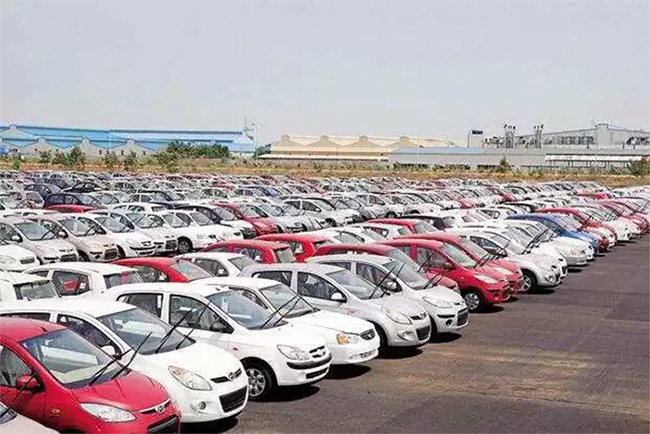
A significant share of government income continues to originate from imports. Customs duties, value-added taxes on imported goods, and related levies have generated substantial fiscal returns since import restrictions were eased. Among these imports, motor vehicles have emerged as a major contributor due to their high tax incidence.
That trend may now be reaching its peak.
Industry data and market observations indicate that the initial rush to purchase imported vehicles is slowing. Consumers who delayed purchases during earlier restrictions have largely returned to the market, reducing the extraordinary demand that boosted tax receipts. As inventories normalize and financing conditions remain relatively tight, vehicle-related revenue growth is likely to moderate.
At the same time, export performance presents another concern. Sri Lanka’s export sector continues to face external headwinds, including weaker demand in some developed markets and persistent global economic uncertainty. Lower export earnings reduce foreign exchange inflows and can place pressure on economic activity, indirectly affecting tax collections from businesses and households.
Meanwhile, imports are showing signs of continued expansion as domestic demand gradually recovers. While increased imports can temporarily support Customs revenue, a prolonged imbalance between imports and exports may weaken external accounts and create pressure on foreign reserves over time.
The Inland Revenue Department is expected to remain the most resilient of the three major agencies. Unlike Customs, its performance increasingly depends on compliance improvements and a broader taxpayer base rather than fluctuations in trade volumes. Continued enforcement efforts could therefore cushion the impact of slower growth elsewhere.
The Excise Department may also maintain steady performance, although consumer spending patterns and inflation trends will influence collections.
Looking ahead, revenue growth during the second half of 2026 is likely to remain positive but at a slower pace than the remarkable gains recorded earlier in the year. A realistic forecast would place annual revenue growth in the low-to-mid teens rather than the exceptional rates seen during the first six months.
The central question for policymakers is whether Sri Lanka can transition from tax collection driven by enforcement and import activity to one supported by investment, exports, and sustainable economic expansion. The answer will determine whether the current fiscal success becomes a lasting achievement or merely a temporary high point in the country’s post-crisis recovery.