
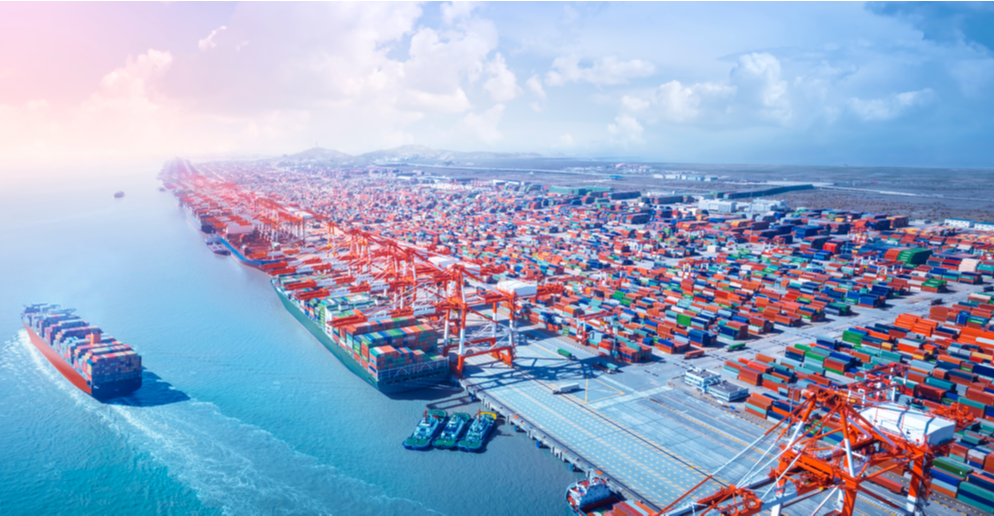
The Port of Colombo has delivered another impressive performance in 2026, recording double-digit growth in container volumes and reinforcing its status as South Asia’s leading transshipment hub. However, behind the encouraging statistics lies a more complex story—one that raises important questions about sustainability, dependence on transshipment cargo, infrastructure readiness and intensifying regional competition.
According to the latest operational figures, Colombo handled 3.7 million Twenty-foot Equivalent Units (TEUs) during the first five months of 2026, marking a 13.5 percent increase compared with the same period last year. The numbers demonstrate the port’s continued resilience despite global shipping uncertainties and geopolitical tensions affecting international trade.
The strongest contributor remains transshipment cargo, which accounted for approximately 84.5 percent of total container throughput while growing by 14 percent year-on-year. Domestic container volumes also rose by 10.7 percent, reflecting a gradual improvement in Sri Lanka’s own import and export activity.
Ship arrivals increased by 4.7 percent, while ancillary maritime services—including bunkering, ship repairs, crew changes and ship chandelling—registered an impressive 48 percent growth, signalling Colombo’s expanding role beyond traditional cargo handling.
However industry observers caution that the headline figures also expose a structural vulnerability.
The overwhelming dependence on transshipment means Colombo remains heavily reliant on cargo originating from neighbouring countries, particularly India. While Sri Lanka enjoys a strategic location on major East-West shipping lanes, much of the cargo passing through Colombo is ultimately destined for Indian ports. Any shift in shipping patterns, policy changes or infrastructure improvements across the Indian coastline could significantly affect Colombo’s volumes.
Capacity expansion presents another challenge. Although investments in infrastructure and digitalisation are ongoing, container growth is steadily consuming available capacity. Shipping analysts argue that future competitiveness will depend not only on larger terminals but also on faster customs clearance, improved hinterland connectivity and advanced digital logistics systems.
Another concern is pricing competitiveness. Global shipping lines increasingly seek ports offering quicker turnaround times and lower operating costs. Colombo’s ability to maintain efficiency while managing rising operational expenses will become increasingly important as regional alternatives mature.
The Sri Lanka Ports Authority has continued to work with terminal operators to improve productivity and attract additional shipping services. Nevertheless, analysts note that maintaining market leadership requires continuous investment rather than reliance on geographical advantage alone.
Global shipping alliances are also becoming more selective in determining their regional hub ports. Factors such as automation, environmental compliance, port reliability and integrated logistics ecosystems are now playing a larger role in route planning than ever before.
Colombo’s current performance undoubtedly reflects strong international confidence. However, sustaining this momentum will require strategic planning that extends beyond handling larger cargo volumes. Diversifying maritime services, improving value-added logistics and strengthening supply chain resilience may ultimately determine whether Colombo retains its leadership position in an increasingly competitive Indian Ocean shipping landscape.