
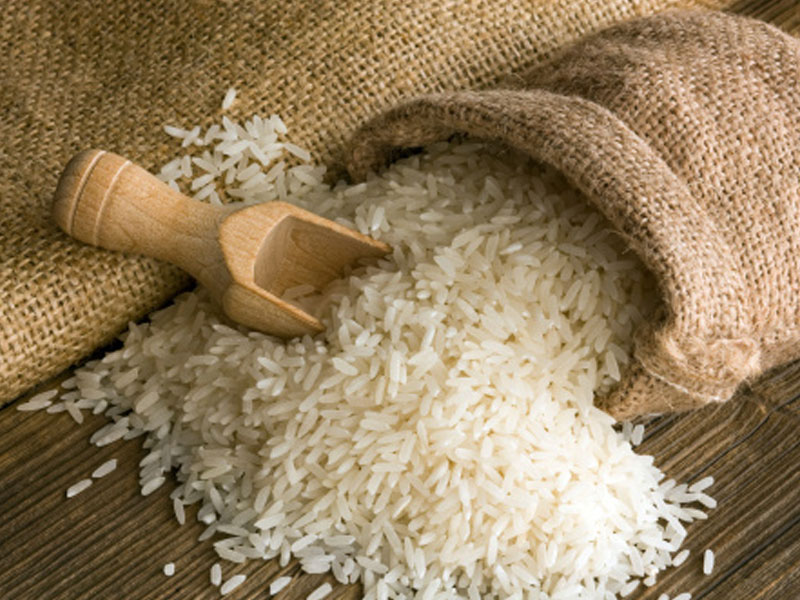
The recent proposal by the Government to “lease” 20 kilograms of rice to public servants is more than an unusual administrative measure. It is, in many ways, a revealing symbol of a deeper economic and social reality: that the burden of adjustment is no longer being carried at the macroeconomic level alone, but has now penetrated into the dinner tables of ordinary households.
For months, the Government has defended its IMF-backed reforms as difficult but necessary “national adjustments” designed to stabilise the economy, restore confidence, and rebuild fiscal discipline. Yet, what is now becoming increasingly evident is that these adjustments have translated into something far more immediate and painful for the average citizen — a steady compression of welfare, purchasing power, and household security.
Rice, the staple food of the nation, occupies a unique place in Sri Lankan life. For a Government to devise a mechanism by which employees may obtain rice today and presumably pay for it later is a stark indication that incomes have failed to keep pace with living costs. It is an acknowledgement, whether intended or not, that many working families are struggling to meet even their most basic nutritional needs.
Thus, this is not merely an economic issue. It is a political signal. Governments that begin to mediate access to staple foods are often confronting the visible consequences of policy failure. Instead of addressing the structural causes of rising living costs — weak production incentives, tax burdens, supply inefficiencies, and stagnant wages — such stopgap arrangements appear to treat symptoms rather than causes.
Even more troubling is what this says about policy direction. If after years of taxation increases, subsidy cuts, tariff hikes, and shrinking welfare support, the answer to household distress is a deferred-payment rice scheme, then serious questions must be asked about the wisdom of the decisions that brought the country to this point.
Temporary relief cannot substitute for sustainable solutions. Public frustration is therefore understandable. What was sold as a pathway to economic recovery is increasingly being felt as a pathway to household deprivation. And when deprivation becomes normalised, confidence in governance begins to erode.
A Government’s success is not measured solely by reserve accumulation, fiscal targets, or debt restructuring milestones. It is measured by whether ordinary citizens can live with dignity, feed their families without assistance, and look to the future with confidence. If rice itself must now be “leased,” it may well be a sign that the economic model being pursued requires not merely adjustment, but serious reconsideration.