
By Legal Eagle 🦅
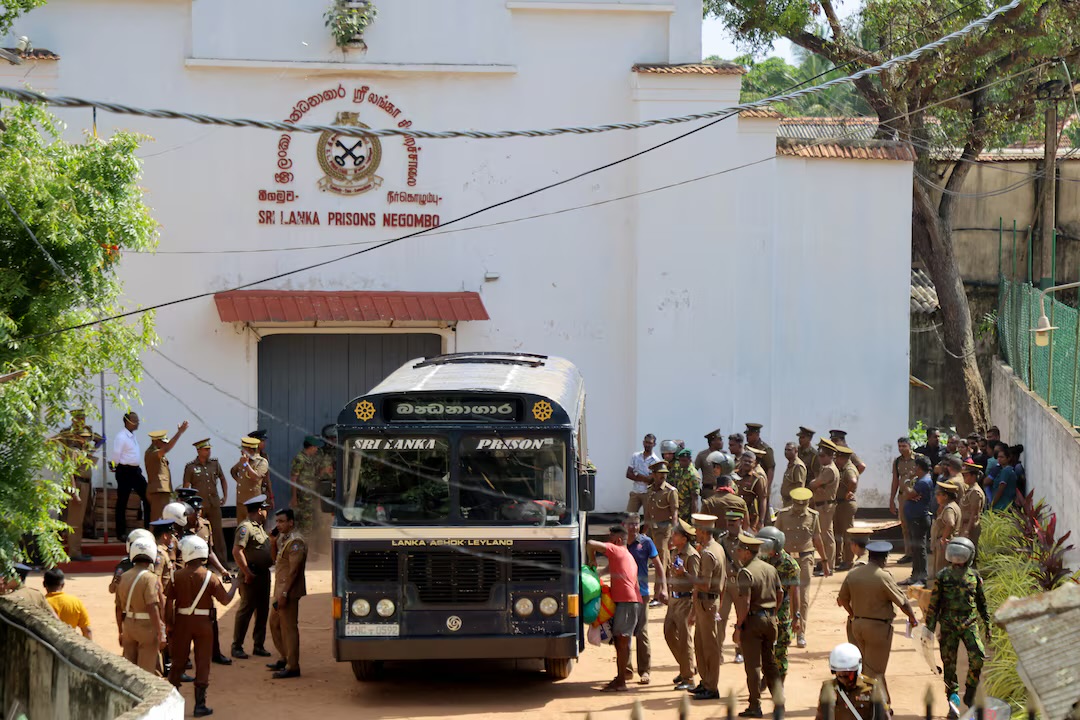
The recent tragedy at Negombo Prison has exposed a reality that many have long suspected but few have been willing to confront. A prison built to accommodate around 900 inmates was reportedly housing nearly 2,400. Such overcrowding inevitably creates conditions that no civilised society should tolerate: the rapid spread of disease, unbearable congestion, unhygienic surroundings, inadequate sanitation, poor nutrition, insufficient medical care, limited opportunities for exercise, and constant psychological stress.
These conditions are not merely administrative shortcomings. They represent a failure of the justice system as a whole.
Every day, Magistrates and Judges remand suspects or sentence convicted persons to terms of imprisonment. That responsibility should not end once the prison gates close behind them. If the institutions to which people are committed are manifestly incapable of providing even the minimum standards of humane treatment, the administration of justice itself is diminished.
One practical reform deserves serious consideration. Every Magistrate and Judge whose orders result in persons being detained should be required to visit the prisons within their jurisdiction at least once every three months. Following each visit, they should submit a brief report to the Ministry of Justice, with a copy made available to the public through the media, commenting on whether the facilities meet acceptable standards for human habitation and lawful incarceration.
Such a system would serve several important purposes. It would provide independent oversight, encourage greater accountability among prison administrators, keep the Ministry informed of urgent deficiencies, and reassure the public that the judiciary remains concerned not only with imposing lawful punishment but also with ensuring that it is carried out humanely.
Imprisonment is the punishment imposed by the courts. Inhumane living conditions are not part of that sentence. No court orders a prisoner to endure disease, starvation, degrading sanitation, or conditions that destroy human dignity.
It is often said that the measure of a nation’s civilisation is reflected in how it treats its most vulnerable people. Prisoners, despite having lost their liberty, do not lose their humanity. The slogan painted on prison walls—”Prisoners are also human beings”—is a worthy sentiment, but words alone are insufficient. That principle must be reflected in practice, through regular independent oversight and a shared institutional responsibility for the conditions in which prisoners are held.
If the recent tragedy teaches us anything, it is that justice cannot stop at the courtroom door. It must extend to the prison cell as well.