
November 19, Colombo (LNW): A growing sense of professional identity and pride is emerging among Sri Lankan journalists, with the proportion expressing pride in their profession rising from 55% in 2025 to 77% in 2026, according to the latest State of Journalism in Sri Lanka 2026 research report.
The findings were published by Mark and Comm following its second annual ‘Sri Lanka Media’s Voice’ survey, which examines the experiences, professional concerns and working conditions of journalists across the country.
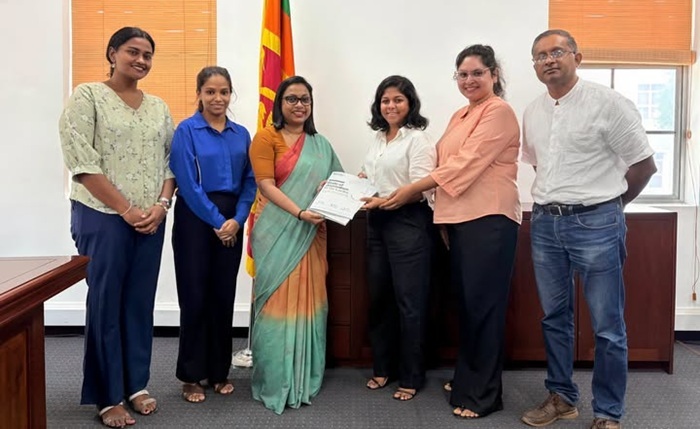
The report was formally presented to Deputy Minister of Mass Media Kaushalya Ariyarathne at the Ministry of Mass Media yesterday (18), prompting discussions on the progress made within the profession as well as the challenges that continue to affect the country’s media sector.
Welcoming the significant improvement in professional pride, Deputy Minister Ariyarathne described the findings as a positive indication of growing confidence among journalists. However, she acknowledged that greater professional satisfaction must be accompanied by improvements in working conditions, institutional support and the protection of media freedom.
Despite the encouraging increase, the research identified several longstanding concerns requiring attention from policymakers, media organisations and industry stakeholders.
Among the key issues highlighted were the need for fairer remuneration and timely salary payments, as well as stronger workplace protection for journalists. Particular emphasis was placed on the safety of female journalists, who continue to face specific challenges within professional environments.
The report also pointed to the importance of establishing stronger independent self-regulatory mechanisms within the media industry, allowing professional standards and accountability to be maintained without compromising editorial independence.
Improving the accuracy and reliability of reporting was another significant recommendation, with the research highlighting the need to strengthen fact-checking practices across news organisations.
In addition, the findings underscored the growing importance of equipping journalists with the skills required to navigate a rapidly changing media landscape. Expanding access to structured training in artificial intelligence (AI) and digital media was identified as an important priority, particularly as emerging technologies continue to reshape news production, distribution and consumption.
Commenting on the broader significance of the research, Deputy Minister Ariyarathne said studies grounded in evidence were essential for developing an accurate understanding of the realities faced by journalists and the challenges confronting the media industry.
She noted that reliable research could help policymakers move beyond assumptions and identify practical interventions based on the actual needs of media professionals.
The Deputy Minister further expressed confidence that the findings would provide a useful foundation for shaping future policy decisions, with the ultimate objective of building a more resilient, credible and dignified media culture in Sri Lanka.
The survey’s findings suggest that although professional pride among journalists has strengthened considerably over the past year, addressing issues relating to financial security, workplace safety, professional accountability and technological preparedness remains crucial to sustaining that progress.