
By: Staff Writer
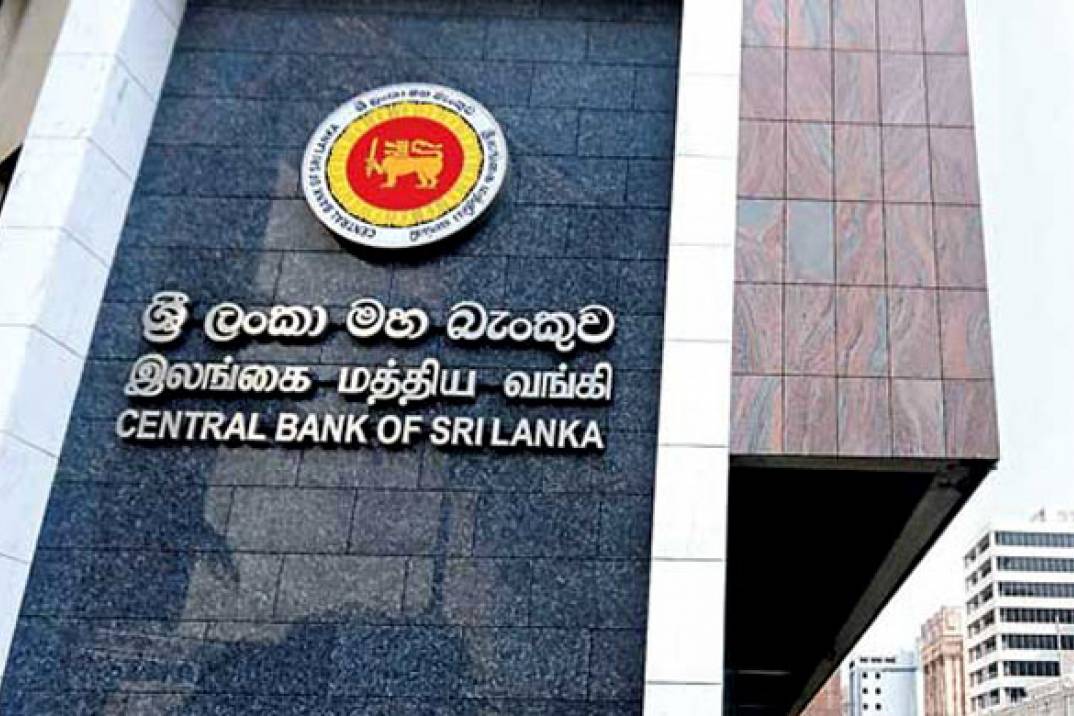
September 14, Colombo (LNW): The Central Bank of Sri Lanka (CBSL) has stepped up efforts to safeguard macroeconomic stability and strengthen public confidence, with Governor Dr. Nandalal Weerasinghe underscoring that preserving the Bank’s independence is fundamental to the country’s recovery and long-term growth. The Governor outlined key reforms undertaken to reinforce monetary discipline, financial stability, and institutional credibility.
Dr. Weerasinghe cautioned that political interference in monetary policy has historically undermined Sri Lanka’s economic stability. Before the enactment of the new Central Bank Act (CBA), governments had financed budget deficits through direct borrowing from the Bank, triggering monetary expansion and inflationary pressures.
“Such practices undermined our mandate of price stability. Under the CBA, this is no longer possible,” he stated, stressing that the law now prevents monetary financing and anchors credibility.
While safeguarding independence, the Governor noted that the Bank does not operate in isolation. The Act ensures coordination with the Ministry of Finance through the Monetary Board to align fiscal and monetary policies, particularly in times of crisis.
On accountability, Dr. Weerasinghe highlighted that the CBSL is legally required to report to Parliament if inflation targets are breached for two consecutive quarters. Public reporting provisions, including the publication of annual Financial Stability Reviews, enhance transparency and enable businesses and households to make informed decisions.
Another major step has been the designation of the CBSL as Sri Lanka’s Macroprudential Authority, tasked with managing systemic risks and protecting financial stability.
Complementary reforms, including the 2023 Banking (Special Provisions) Act and the 2024 amendment to the Banking Act, have strengthened governance, expanded safety nets, and empowered the CBSL to resolve troubled banks while safeguarding depositors.
Addressing misconceptions, Dr. Weerasinghe stressed that the CBSL remains accountable to Parliament and the people, with senior appointments subject to Constitutional Council oversight. He rejected claims that the Bank acts beyond sovereignty, clarifying that while it works with the IMF under the Extended Fund Facility, programme ownership rests firmly with Sri Lankan authorities.
He also clarified the Bank’s role, explaining that its mandate is to maintain price and financial stability rather than directly drive growth. On exchange rates, he reiterated that the rupee is market-determined, with CBSL interventions limited to smoothing volatility and building reserves.
Looking ahead, the Bank will gradually phase out non-core functions such as debt management and concessional loan administration, redirecting resources towards its core mandate. Dr. Weerasinghe concluded with a warning that undermining Central Bank independence would jeopardize recovery, resilience, and prosperity.