
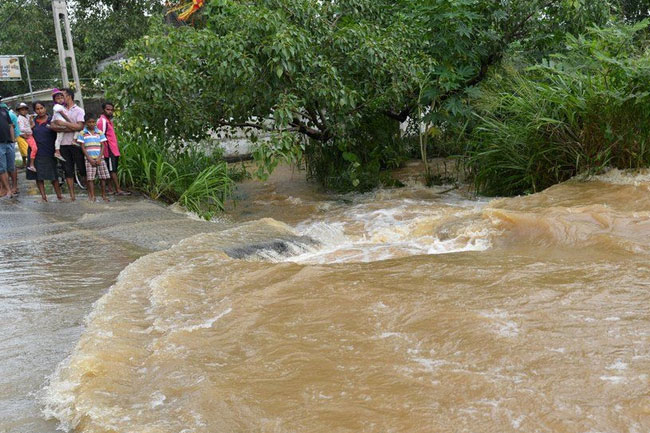
Sri Lanka’s export industry is facing one of its most serious setbacks in recent years as widespread flooding continues to disrupt production, damage facilities, and stall supply chains across multiple districts. The National Chamber of Exporters of Sri Lanka (NCE) warned that the impact on the sector considered the backbone of the economy—could be severe if urgent recovery measures are not implemented.
In a statement, the Chamber conveyed its solidarity with families affected by the floods and emphasised the growing anxiety among exporters whose factories, machinery, and stocks have suffered extensive damage. Initial assessments indicate that several production plants are submerged, halting operations entirely and raising fears that companies will struggle to meet international delivery schedules.
The NCE noted that the consequences extend beyond individual companies. Exports remain a critical source of foreign exchange and employment, and disruptions of this scale threaten national economic stability. With Sri Lanka still navigating a fragile recovery, any prolonged setback in export performance could weaken the country’s financial position, undermine global buyer confidence, and jeopardise thousands of livelihoods dependent on the sector.
The Chamber pointed out that transport breakdowns, inaccessible roads, damaged storage facilities, and labour shortages have compounded the crisis. Many small and medium-sized exporters particularly aspiring export startups—lack the financial reserves needed to absorb losses or replace damaged equipment. For them, the floods represent a profound and potentially long-term setback.
NCE President Indhra Kaushal Rajapaksa cautioned that the resilience of exporters is now being tested at a critical time. He stressed that the sector is not simply another economic component but the primary engine driving foreign exchange earnings. Any sustained disruption, he said, would have far-reaching economic repercussions, affecting everything from national revenue to investor confidence.
Rajapaksa affirmed that Sri Lankan exporters have historically shown determination during crises and expressed confidence that they will rebuild, provided they receive timely support. He urged the Government to prioritise the rehabilitation of export-oriented companies to safeguard the country’s reputation as a dependable trading partner.
NCE CEO/Secretary General Shiham Marikar added that early field reports from member companies reveal widespread damage, stalled production lines, supply chain breakdowns, and challenges in mobilising workers. He emphasised that MSMEs and new exporters depend heavily on the Chamber’s assistance and are struggling to evaluate the full scale of their losses.
The Chamber has requested its members to report damages so that it can coordinate with Government agencies and push for immediate relief measures, including financial support, faster repair processes, and facilitation for exporters facing shipment delays. According to the NCE, only a swift and coordinated national response can prevent Sri Lanka from losing market access and eroding its competitiveness in global trade.