
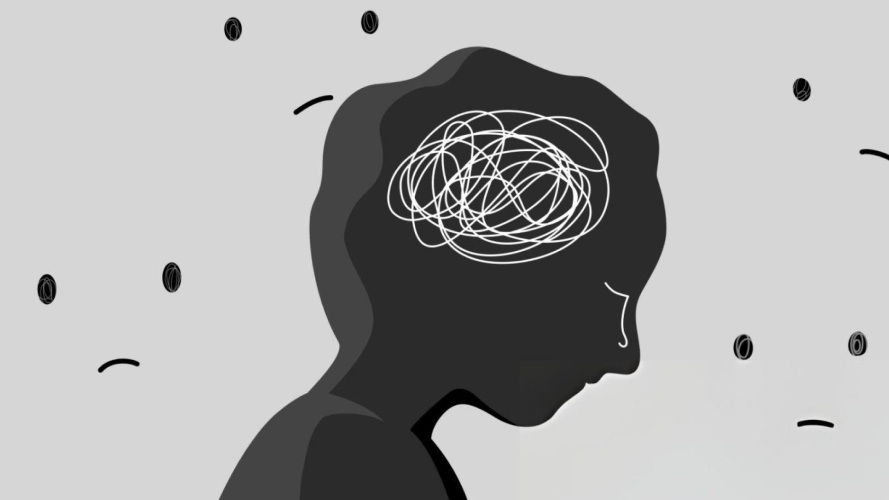
December 08, Colombo (LNW): Sri Lanka’s health authorities are encouraging anyone struggling emotionally in the aftermath of the recent disaster to reach out for professional help through the National Institute of Mental Health’s 1926 hotline.
Dr Miyuru Chandradasa, a Child and Adolescent Psychiatrist at the Teaching Hospital in Ragama, said it is entirely natural for people to feel unsettled or overwhelmed after experiencing such traumatic events. He explained that acknowledging emotional strain is an important first step towards recovery, followed by seeking suitable support.
Individuals facing severe distress were advised to visit their nearest government hospital for clinical assistance. Dr Chandradasa also stressed the importance of restoring a sense of normality for children affected by the crisis. Creating opportunities for play, familiar routines, and time with friends can help young people regain a feeling of safety and stability.
He noted that signs of psychological stress can vary widely, ranging from irritability and sleeplessness to reduced appetite and persistent tiredness.
Reflecting on the nation’s past, Dr Chandradasa observed that Sri Lanka has weathered many hardships, including previous natural disasters, and has consistently found strength through collective resilience.
He urged those affected not to lose heart, saying that moments of shock, disbelief, and profound sadness are common but can be overcome with support.
Drawing attention to the emotional toll of the recent floods and Cyclone Ditwah, he reassured the public that the country stands united in its commitment to helping affected families rebuild. Dr Chandradasa encouraged anyone grappling with loss or despair to lean on their communities and to hold onto hope, even in the face of significant personal setbacks.