
By: Staff Writer
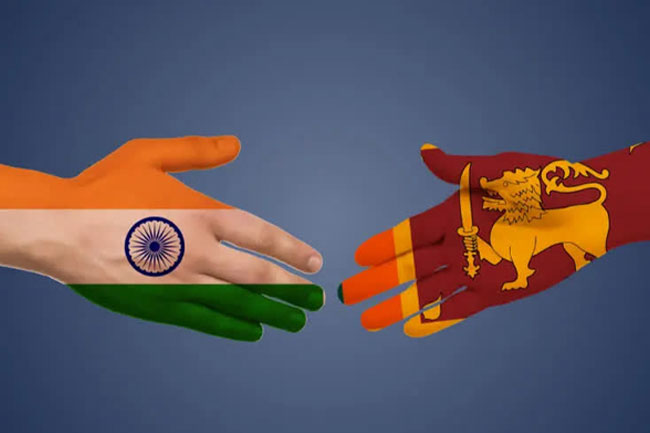
December 16, Colombo (LNW): India’s swift disaster relief operation in Sri Lanka following Cyclone Ditwah illustrates how humanitarian assistance has become a cornerstone of New Delhi’s regional strategy. While the medical and material support delivered under Operation Sagar Bandhu addressed urgent needs, the operation also signalled India’s intent to institutionalise its role as South Asia’s primary crisis responder.
The centrepiece of the mission was the deployment of a full-fledged mobile field hospital with a 78-member Indian Army medical and logistics team to Mahiyanganaya. Equipped to function independently, the hospital filled a critical gap as local facilities struggled with patient surges, damaged infrastructure, and supply shortages. The Indian High Commission noted that the hospital was configured to deliver rapid, high-volume care in disaster-hit zones, reflecting lessons drawn from earlier regional emergencies.
The medical outcomes were significant: over 7,000 patients treated, hundreds of procedures completed, and complex surgeries performed in a temporary setup. Yet the operation’s broader significance lay in its integration of medical, logistical, and technical assistance. The repair of Sri Lanka’s damaged fibre-optic backbone by Indian Army specialists restored communication links essential for emergency coordination, governance, and economic activity.
India’s decision to combine personnel withdrawal with the delivery of 25 tonnes of relief supplies including medicines and dry rations highlighted a layered assistance model that prioritises continuity even after frontline teams depart. Sri Lankan authorities publicly acknowledged the scale and efficiency of the support, reinforcing perceptions of India as a dependable partner rather than a transactional donor.
From a geopolitical perspective, the operation aligns with India’s “Neighbourhood First” and “Security and Growth for All in the Region (SAGAR)” doctrines. In a region increasingly shaped by strategic competition, disaster response has emerged as a soft-power instrument that builds influence through trust and responsiveness rather than financial leverage alone.
For Sri Lanka, the assistance provided immediate relief at a time of fiscal stress and climate vulnerability. For India, it reinforced strategic depth in the Indian Ocean and demonstrated operational readiness unmatched by other regional actors. As extreme weather events become more frequent, such interventions may increasingly define regional leadership not through rhetoric, but through boots, beds, and bandwidth delivered when it matters most.