
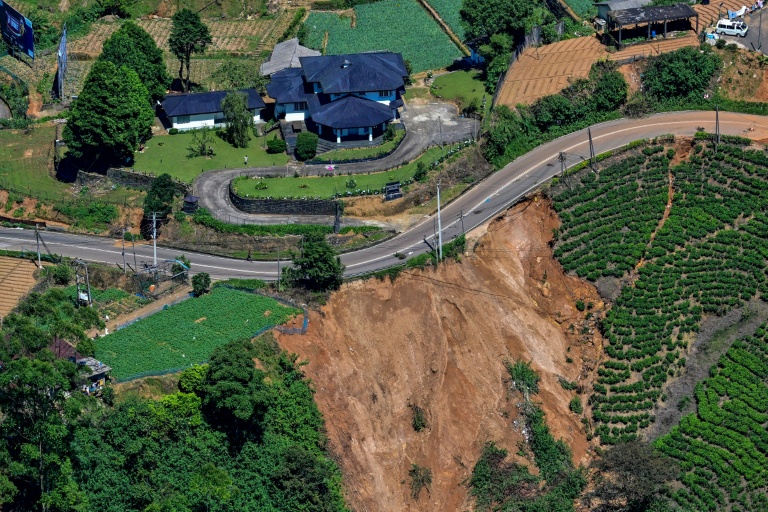
The economic consequences of Cyclone Ditwah are likely to far exceed the Rs. 1.3 trillion in direct physical damage estimated by the World Bank, raising concerns over Sri Lanka’s ability to manage the full macroeconomic fallout of climate disasters.
While the GRADE report provides a rapid and credible snapshot of damage to infrastructure, housing, agriculture, and public buildings, it deliberately excludes income losses, business interruption, and fiscal spillovers components that often determine whether recovery is swift or prolonged.
Using standard disaster-economics models applied by the IMF and World Bank, indirect losses in lower-middle-income economies typically range between 60% and 120% of direct damage. Applying a mid-range assumption of 75%, Cyclone Ditwah’s total economic impact could exceed Rs. 2.3 trillion, or nearly 7% of GDP.
“A shock of this magnitude has lasting effects on growth, inflation, and public debt,” said a former multilateral-agency economist. “If recovery spending is delayed or poorly sequenced, the economic scars deepen.”
Agriculture represents a key vulnerability. Direct damage of Rs. 260 billion threatens rural livelihoods and food security. If disruptions result in even a 25% seasonal output loss, secondary income losses could reach Rs. 120–150 billion, intensifying pressure on food prices and household incomes.
Compensation and social support add further strain. Assuming an average relief and livelihood package of Rs. 750,000 per affected family, support for 500,000 families would imply a Rs. 375 billion fiscal outlay, excluding administrative and financing costs.
The cyclone has also exposed institutional weaknesses. Analysts point to slow policy decisions, fragmented mandates, and insufficient high-level engagement with international partners. “Accessing climate and recovery finance today requires technical credibility, clear narratives, and senior officials who can operate confidently across languages and financial frameworks,” said a disaster-finance specialist.
This need not be read as a political critique, but as an institutional one. As climate shocks intensify, disaster economics is no longer episodic; it is core economic governance. Countries that recover faster embed risk financing, resilient infrastructure planning, and transparent compensation systems into fiscal policy before disasters strike.
Cyclone Ditwah offers Sri Lanka a costly but clear signal: preparedness is cheaper than delayed recovery.