
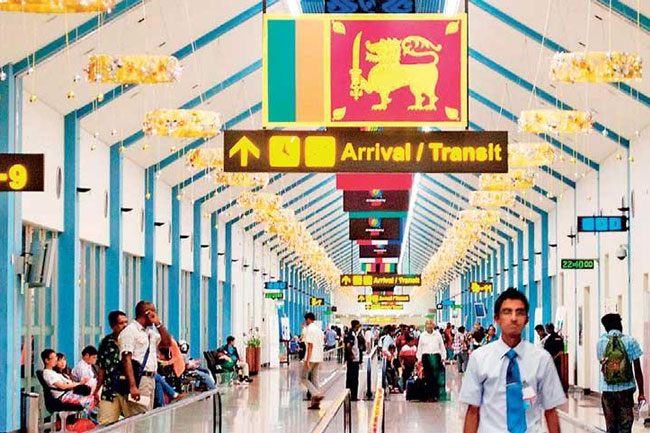
Sri Lanka’s tourism recovery, highlighted by crossing the 2.3 million arrivals milestone in 2025, is poised to have significant implications for the country’s 2026 economic performance. Analysts suggest that continued growth in tourism could provide a critical boost to foreign exchange earnings, domestic consumption, and employment in the hospitality and transport sectors.
Tourism earnings for 2025 are projected at around $3.4 billion, and with forecasts for 2026 suggesting arrivals of 3 million visitors and revenue of $4.3 billion, the sector is positioned as a key driver of economic recovery. Stronger tourist inflows could help reduce the trade deficit, support the rupee, and stimulate investment in infrastructure, from airports to hotels and transport networks.
However, experts caution that the country’s economic resilience depends on more than just visitor numbers. Concentration risk remains a concern: India, the UK, Russia, Germany, and China together account for over half of arrivals, leaving Sri Lanka vulnerable to geopolitical shifts, visa restrictions, or global travel slowdowns. Diversifying source markets will be essential to prevent overreliance on a few countries.
Capacity constraints also pose challenges. Limited airline connectivity and infrastructure bottlenecks during peak seasons may cap revenue potential, even if visitor numbers rise. Similarly, high-end tourism segments, which contribute disproportionately to foreign exchange earnings, require targeted marketing and improved services.
Constructive criticism emphasizes policy alignment. Authorities are urged to fast-track the free-visa initiative, invest in nation branding, and expand multi-season promotions to stabilize arrivals throughout the year. Improving data collection and adopting dynamic pricing strategies could also enhance profitability for hotels, transport providers, and attractions.
Tourism is poised to remain a key economic engine for Sri Lanka in 2026. But maximizing its contribution will require structural reforms, diversification of source markets, and investment in infrastructure to ensure sustainable growth beyond headline visitor numbers.