
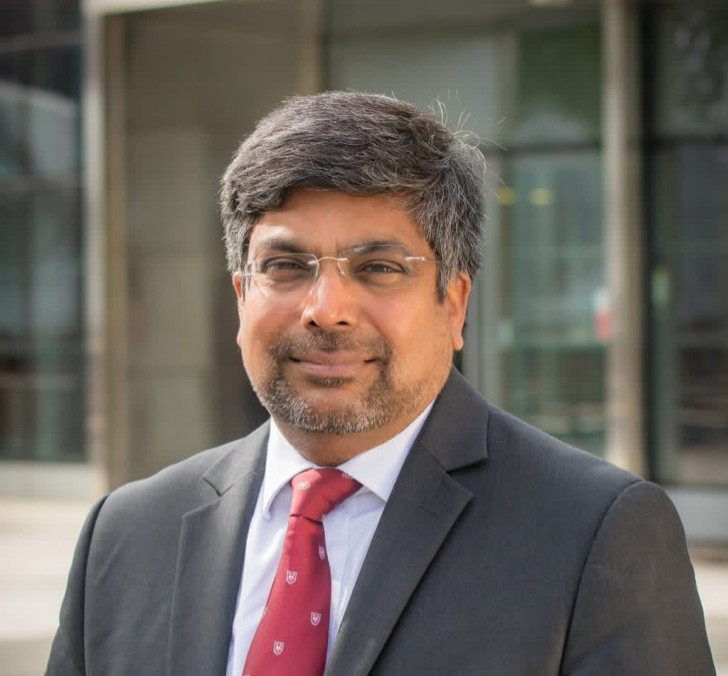
By Adolf
The knighthood of Professor Nishan Canagarajah, President and Vice-Chancellor of the University of Leicester, is a remarkable personal achievement and a moment worthy of celebration. Born in Jaffna, educated at St. John’s College, and later moving to the United Kingdom on a scholarship to Cambridge, his journey reflects decades of scholarship, leadership, and quiet perseverance. The honour recognises a 30-year career and a sustained commitment to making higher education more inclusive. Predictably, social media in Sri Lanka is now filled with congratulatory messages. “We Sri Lankans are proud of you,” many declare. Yet this moment also invites a more uncomfortable reflection: why does Sri Lanka so often discover its pride only after success has been validated elsewhere?
Srilankan Culture
There is a familiar national pattern at play. When individuals show early promise, question orthodoxy, or rise beyond prescribed social or ethnic boundaries, they are frequently met not with encouragement but with suspicion, hostility, and at times outright character assassination. A minor difference of opinion, a refusal to conform, or even quiet excellence can provoke disproportionate backlash. We are adept at cutting people down long before they have had the chance to fully rise. Yet once success is achieved abroad — under institutions that offer meritocracy, equal rights, and predictable systems — the narrative changes overnight. The same society that was indifferent, dismissive, or hostile becomes eager to claim association. Achievements are suddenly framed as “Sri Lankan successes,” as if the conditions that produced them existed at home all along.
Hypocrites
Professor Canagarajah’s story is not unique. It mirrors the experience of many academics, professionals, entrepreneurs, and artists who found space to flourish only after leaving the country. Their success was not the product of sudden brilliance upon migration, but of years of hard work and sacrifice — often after navigating constrained opportunities, systemic bias, and limited institutional support at home.
The hypocrisy lies not in celebrating success — celebration is deserved — but in the selective amnesia that accompanies it. We applaud outcomes while avoiding responsibility for the environments that failed to nurture potential in the first place. Pride becomes retrospective and cost-free, unburdened by the harder questions of reform, inclusion, and accountability. This tendency is also deeply corrosive. It sends a message to younger generations that excellence will not be protected locally, that resilience must be built elsewhere, and that recognition will come only after distance. Over time, this reinforces the very brain drain that Sri Lanka laments but has yet to seriously address.
National Pride
To be clear, this is not about diminishing achievement or questioning national pride. Professor Canagarajah’s knighthood is a singular honour, earned through merit and leadership. It is about asking whether Sri Lanka is prepared to move beyond symbolic celebration and confront uncomfortable truths about how talent is treated before it leaves. If we genuinely wish to honour such individuals, the real tribute lies not in hashtags or belated applause, but in building institutions and a culture that do not first “bury people alive” for showing promise, independence, or difference. Until then, our pride will remain conditional — loud after success, silent before it — and deeply hypocritical. True national confidence is measured not by how quickly we claim success, but by how consistently we enable it.
Sri Lankan Born Professor Nishan