
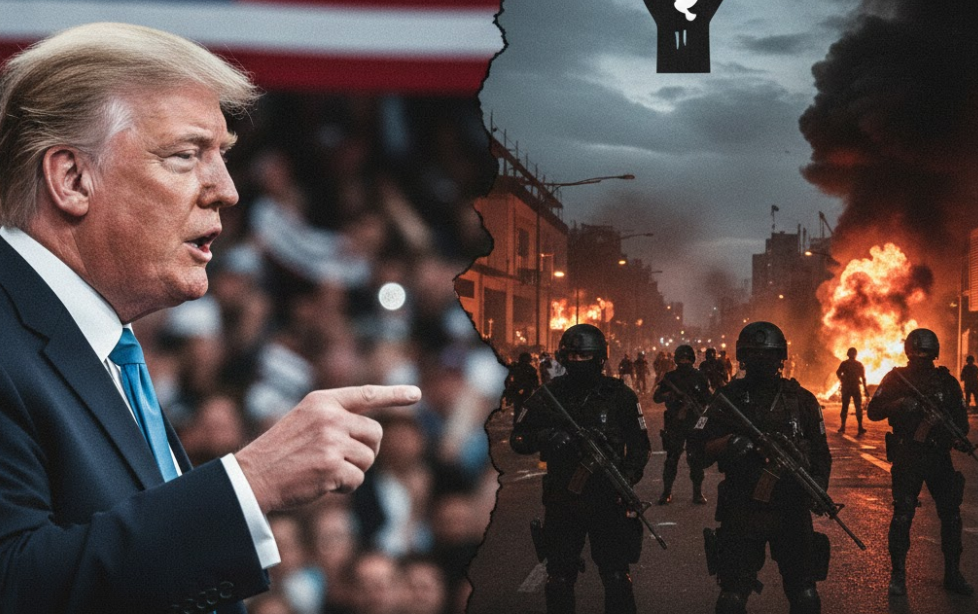
U.S. President Donald Trump on Tuesday called on Iranians to continue protesting, claiming that assistance was “on the way,” as Iran’s clerical leadership pressed ahead with a severe crackdown on the country’s largest demonstrations in years.
“Iranian Patriots, KEEP PROTESTING – TAKE OVER YOUR INSTITUTIONS!!!… HELP IS ON ITS WAY,” Trump wrote on Truth Social, adding that he had cancelled all meetings with Iranian officials until what he described as the “senseless killing” of protesters comes to an end.
The unrest, driven largely by worsening economic conditions, represents the most serious internal challenge to Iran’s leadership in at least three years. It has unfolded amid heightened international pressure following Israeli and U.S. strikes last year.
An Iranian official told Reuters earlier on Tuesday that around 2,000 people have been killed during the protests, marking the first time authorities have acknowledged such a high death toll following two weeks of nationwide unrest. The official claimed that individuals described as “terrorists” were responsible for the deaths of both protesters and security personnel, but did not provide a detailed breakdown.
On Monday evening, Trump announced a 25 percent tariff on imports from any country doing business with Iran, a major oil exporter. He has also said further military action remains an option, reiterating earlier remarks that the United States is “locked and loaded.”
Tehran has not yet publicly responded to the tariff announcement, though China swiftly criticized the move. Despite heavy U.S. sanctions, Iran exports much of its oil to China, with Turkey, Iraq, the United Arab Emirates and India also among its key trading partners.
Russia condemned what it described as “subversive external interference” in Iran’s internal affairs, warning that U.S. threats of further military action were “categorically unacceptable.” In a statement, the Russian Foreign Ministry cautioned that using unrest as a pretext for renewed aggression against Iran could have disastrous consequences for the Middle East and global security.
Despite the scale of the protests and Iran’s deepening economic challenges, there have been no clear signs of fractures within the country’s security establishment that could bring an end to the clerical system in power since the 1979 Islamic Revolution.
However, German Chancellor Friedrich Merz said he believed the Iranian government was nearing collapse. “I assume that we are now witnessing the final days and weeks of this regime,” he said, adding that reliance on violence to retain power signaled its eventual downfall.
Iranian Foreign Minister Abbas Araqchi rejected Merz’s comments, accusing Germany of double standards and saying the remarks had undermined Berlin’s credibility.