
Sri Lanka is moving closer to a decision that could significantly reshape its energy sector and regional standing. The Government expects to finalise the agreement for the proposed Sinopec oil refinery in Hambantota by the first quarter of 2026, Foreign Affairs Minister Vijitha Herath confirmed following discussions with Chinese Foreign Minister Wang Yi during his recent visit to Colombo. While officially framed as an economic partnership, the project carries strategic implications that extend well beyond fuel production.
Estimated at USD 3.7 billion, the Sinopec refinery would be the largest single foreign direct investment in Sri Lanka’s history. For China, the venture marks an important step in expanding the global footprint of Sinopec, one of its largest state-owned energy companies. With China’s domestic refining market nearing saturation, overseas projects have become essential to sustaining long-term growth.
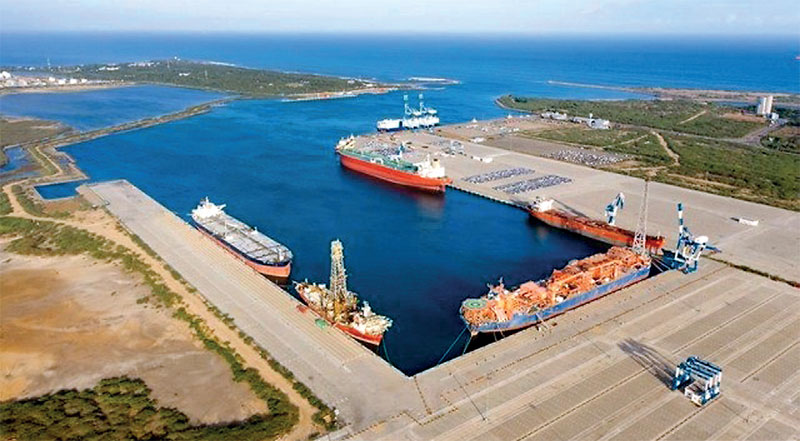
Hambantota’s geographic position makes it particularly attractive. Located close to major Indian Ocean shipping lanes, the refinery is expected to complement the Chinese-managed Hambantota Port and help transform the area into a regional hub for energy storage, refining, and bunkering services. This integration aligns closely with Beijing’s Belt and Road Initiative, which seeks to connect infrastructure, trade, and energy networks across strategic regions.
The refinery is planned to process approximately 200,000 barrels of crude oil per day. While the majority of output is intended for export, Sri Lanka has negotiated access to around 40 percent of production to meet domestic fuel needs. Government officials argue this will reduce dependence on imported refined petroleum, lower foreign exchange outflows, and improve national energy security critical goals following the country’s recent economic crisis.
Beyond energy, talks between the two Foreign Ministers covered trade, tourism, and development cooperation. Minister Herath expressed appreciation for China’s assistance following Cyclone Ditwah and requested continued support for rebuilding damaged roads, railways, and bridges. Minister Wang Yi reaffirmed China’s commitment to Sri Lanka’s recovery and expressed confidence in the country’s direction under President Anura Kumara Dissanayaka.
Despite the promised economic gains, the project is being closely watched by regional and international observers. China’s expanding presence in Hambantota has long raised concerns about strategic influence in the Indian Ocean. As negotiations advance toward finalisation in 2026, Sri Lanka faces the challenge of balancing urgent economic needs with geopolitical sensitivities in an increasingly competitive region.