
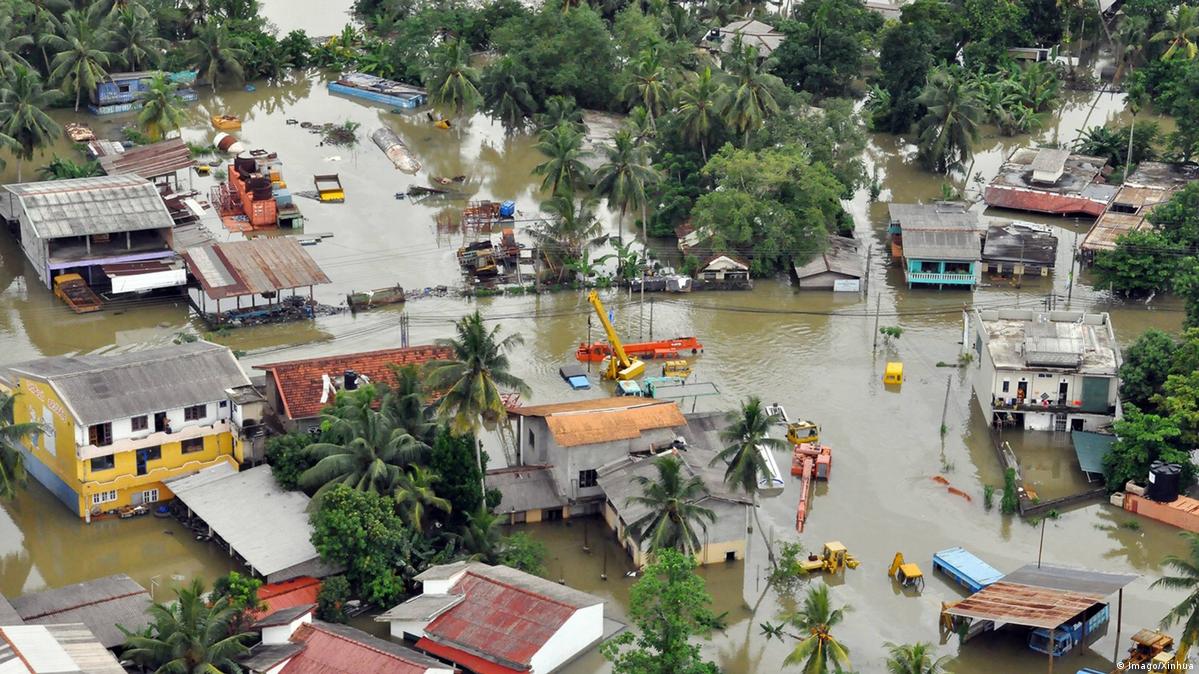
Sri Lanka’s post-crisis economic recovery suffered a severe reversal following Cyclone Ditwah, the deadliest disaster since the 2004 tsunami, exposing structural weaknesses that years of fiscal tightening and uneven reforms failed to resolve. As of January 2026, recovery remains slow, constrained not only by the scale of devastation but also by policy inertia and administrative missteps under the National People’s Power (NPP) government.
According to a United Nations Development Programme (UNDP) assessment, nearly 95% of surveyed communities across 22 districts reported damage to homes, roads, industrial sites, and community infrastructure after the cyclone struck on 26 November 2025. Floodwaters inundated almost 20% of Sri Lanka’s landmass, exposing an estimated 2.3 million people to direct impacts. Housing and transport networks—pillars of local commerce—were most severely affected, disrupting supply chains and isolating economic activity.
The disaster’s economic shock has been profound. Ninety-three percent of respondents confirmed widespread livelihood losses, including destroyed crops, livestock deaths, job losses, and shuttered micro and small enterprises. The informal sector, which employs a substantial portion of Sri Lanka’s workforce, absorbed the hardest blow. Many operators lacked insurance, savings, or access to formal credit, pushing households toward high-interest informal borrowing and deepening debt stress.
While the NPP government announced LKR 95 billion in relief for micro, small and medium enterprises (MSMEs), including a 3% concessional loan scheme, implementation has lagged. Delays in approvals, weak inter-agency coordination, and bureaucratic bottlenecks have slowed disbursement. UNDP findings point to shortages of construction materials, skilled labour constraints, and financing gaps as persistent barriers preventing communities from rebuilding.
Environmental and public health risks further complicate recovery. Local officials reported contaminated water sources, soil erosion, and ecosystem damage threats that undermine agricultural productivity and heighten long-term vulnerability. These risks reflect a broader regional trend, as South Asia faces intensifying climate shocks linked to global warming.
UNDP has emphasized that short-term relief alone will not stabilize Sri Lanka’s economy. Without accelerated recovery spending, targeted support for informal workers, and climate-resilient reconstruction, vulnerable populations risk falling back into poverty. As of early 2026, the cyclone has become a stress test for the NPP government’s reform credentials revealing a widening gap between ambitious promises and ground-level execution.