
By: Staff Writer
January 18, Colombo (LNW): Cyclone Ditwah has laid bare the deep vulnerabilities of Sri Lanka’s agricultural sector, triggering a crisis that threatens food security, rural livelihoods, and economic stability across the island. As floodwaters recede, the scale of destruction is becoming clearer and so is the urgent need for international assistance to prevent long-term damage.
The Food and Agriculture Organization of the United Nations (FAO), from its headquarters in Rome, has appealed for $16.5 million to support early recovery efforts for farming, livestock, and fishing communities devastated by the cyclone. Yet, weeks after the appeal was launched, only $400,000 has been secured, leaving a staggering 97.6 percent funding shortfall. The gap raises serious questions about the global response to climate-driven disasters in economically strained nations.
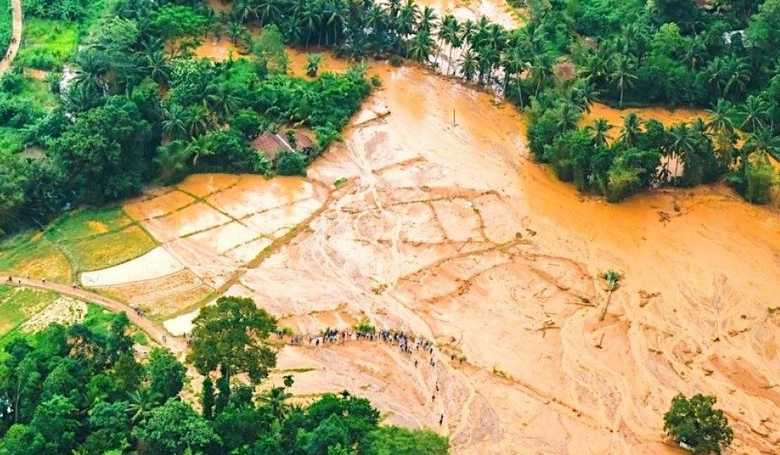
Cyclone Ditwah struck Sri Lanka at the onset of the crucial Maha 2025/26 cultivation season, a timing that could not have been worse. Flooding submerged more than 129,000 hectares of agricultural land, affecting over 227,000 farming households.
Fields remain unusable due to standing water, silt deposits, and debris, while damaged irrigation systems have stalled replanting efforts. Without immediate access to seeds, fertilisers, and machinery, many farmers risk missing the entire season a loss that could ripple through the country’s food supply for years.
The crisis extends beyond crops. Livestock losses have been severe, with tens of thousands of cattle, goats, and sheep killed, alongside nearly half a million poultry. Meanwhile, damage to fisheries and aquaculture infrastructure—estimated between $66 million and $69 million has crippled coastal and inland fishing communities that depend on daily catches for both income and nutrition.
What makes the situation more alarming is that Cyclone Ditwah struck a population already weakened by prolonged economic hardship. According to FAO estimates, more than 1.1 million people now require urgent food security, agricultural, and nutrition assistance. In total, over 2.2 million people across all 25 districts were affected, underscoring the nationwide impact of the disaster.
FAO officials stress that the appeal focuses on early recovery, not full reconstruction. Planned interventions include distributing agricultural inputs, restoring livestock health services, repairing fishing equipment, and providing cash-based assistance to enable households to restart livelihoods quickly. These measures, the agency warns, are critical to preventing deeper food insecurity and increased dependence on humanitarian aid.
Working alongside the Sri Lankan government and partner agencies, FAO aims to reach 256,000 households across seven provinces. But without swift donor engagement, Sri Lanka’s agricultural recovery may falter turning a climate shock into a prolonged food crisis.